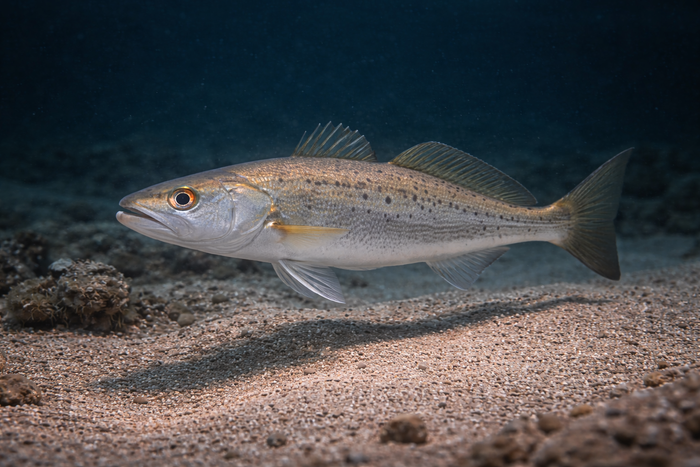
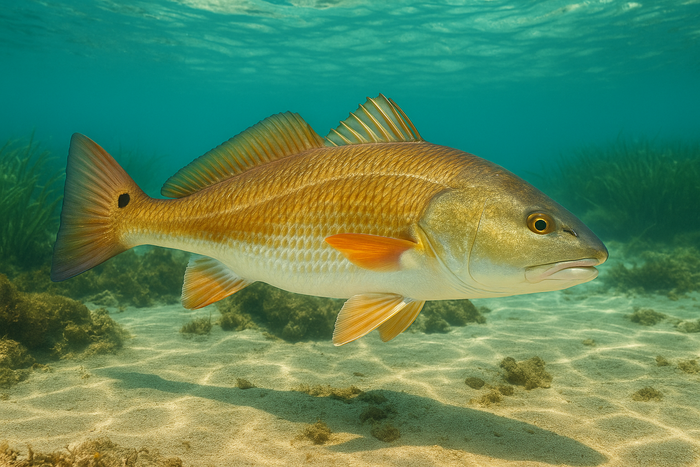
Silver Perch (Bairdiella chrysoura): The Coastal Contender That Packs a Punch in Shallow Waters
The Silver Perch, scientifically known as Bairdiella chrysoura, is a standout species in the drum family, known for its sleek, silvery body and sharp, responsive nature. This fish is a favorite among anglers and ecologists alike, offering a fascinating glimpse into coastal ecosystems. If you’re diving into Silver Perch facts, prepare for a species that’s as resilient as it is intriguing.
What Makes the Silver Perch Unique?
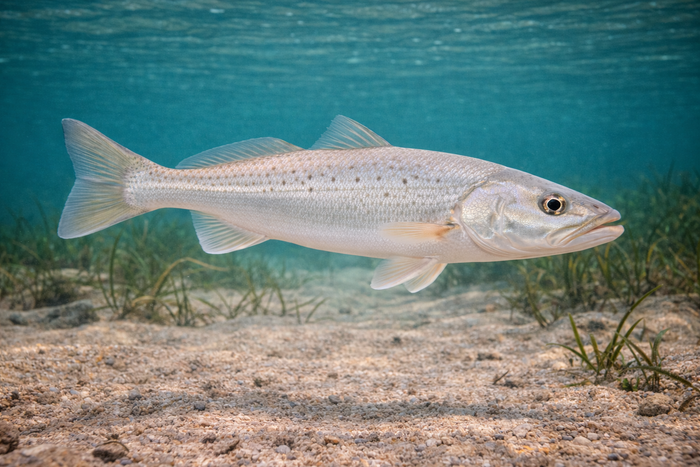
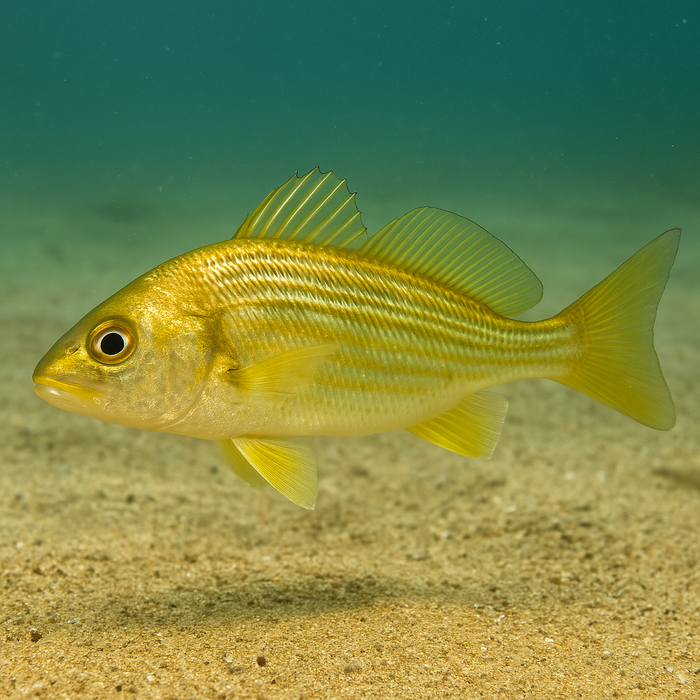
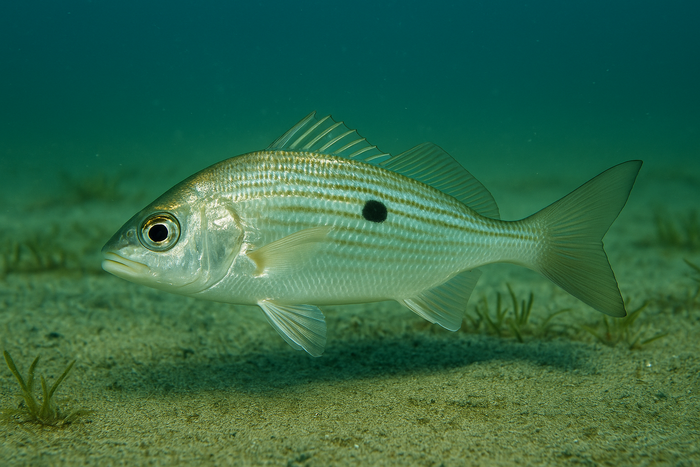
The Silver Perch isn’t your average silvery fish. Its defining feature is the combination of a streamlined body and a distinctive black spot near the tail, a natural signature that sets it apart from other perch species. Unlike many fish that rely on camouflage, the Silver Perch flaunts its shiny scales with confidence, reflecting light in a way that can confuse predators and prey alike.
This species also boasts an impressive vocal ability. Like other drums, it produces sounds by vibrating its swim bladder, a trait used for communication during spawning or territorial disputes. This acoustic behavior is a clever evolutionary tool, making the Silver Perch a noisy but effective player in its environment.
Habitat & Global Range
Silver Perch habitat is primarily coastal and estuarine waters along the western Atlantic, from the Chesapeake Bay down to the Gulf of Mexico. They thrive in brackish environments where saltwater and freshwater mix, favoring shallow bays, tidal creeks, and estuaries with muddy or sandy bottoms.
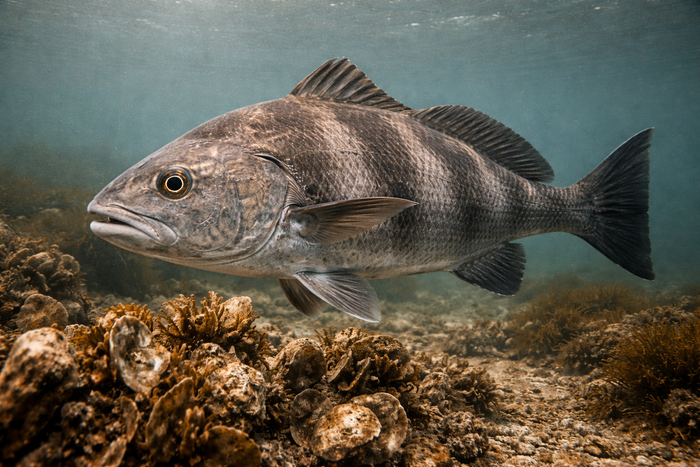
These fish are adaptable to varying salinity levels, which allows them to exploit a range of habitats that many species avoid. Their preference for shallow, warm waters means they’re often found in areas rich with submerged vegetation and oyster reefs, which provide both food and shelter.
Behavior & Temperament
Silver Perch are schooling fish, often found in large groups that move with coordinated precision. This social behavior reduces individual risk from predators and increases feeding efficiency. They are opportunistic feeders, snapping up small crustaceans, worms, and tiny fish with quick, darting movements.
Despite their schooling nature, Silver Perch can be surprisingly bold when provoked or during spawning season. Males become territorial and vocal, using their drumming sounds to ward off rivals and attract females. Their temperament is a mix of cautious schooling and aggressive defense, making them an interesting species to observe or catch.
Ecological Importance
Silver Perch play a critical role in coastal food webs. As mid-level predators, they control populations of small invertebrates and fish, maintaining ecological balance. Their feeding habits help recycle nutrients within estuarine systems, supporting the productivity of these rich environments.
They are also a vital food source for larger predatory fish, birds, and marine mammals. By linking lower and higher trophic levels, Silver Perch contribute to the overall health and stability of their ecosystems. Their presence often indicates a well-functioning estuarine habitat, making them a useful bioindicator species.
Conservation & Environmental Pressures
While not currently listed as endangered, Silver Perch face several environmental pressures that could impact their populations. Habitat degradation from coastal development, pollution, and sedimentation threatens the shallow waters they depend on. Changes in salinity due to freshwater diversion or climate change can disrupt their breeding and feeding patterns.
Overfishing is generally not a major concern for Silver Perch, but localized pressure from recreational anglers can affect certain populations. Maintaining healthy estuarine habitats is crucial for their survival, emphasizing the need for sustainable coastal management practices.
The FishyAF Take
The Silver Perch is a prime example of a species that punches above its weight in ecological and recreational value. Its adaptability, vocal nature, and schooling behavior make it a fascinating subject for anyone interested in coastal fish species. Understanding Silver Perch facts and Silver Perch habitat is essential for appreciating how these fish fit into the broader marine puzzle.
If you’re looking to add a bit of coastal savvy to your fishing or ecological knowledge, the Silver Perch is a species worth knowing. It’s not just another silvery fish in the sea—it’s a bold contender that commands attention in the shallow waters it calls home. Keep an eye on this one; it’s a key player in the estuarine world and a reminder that even the most unassuming fish have stories worth telling.