White Trout (Cynoscion arenarius): The Coastal Contender You Didn’t See Coming
Meet the White Trout, Cynoscion arenarius, a saltwater sciaenid that’s often overshadowed by its flashier cousins but deserves a spot in the spotlight. This fish isn’t your average trout despite the name—it’s a marine predator with a sleek profile and a reputation for being a tough catch. If you’re diving into White Trout facts, prepare to learn about a species that blends subtle beauty with surprising resilience. This guide breaks down everything you need to know about the White Trout’s biology, behavior, and place in the ecosystem.
What Makes the White Trout Unique?
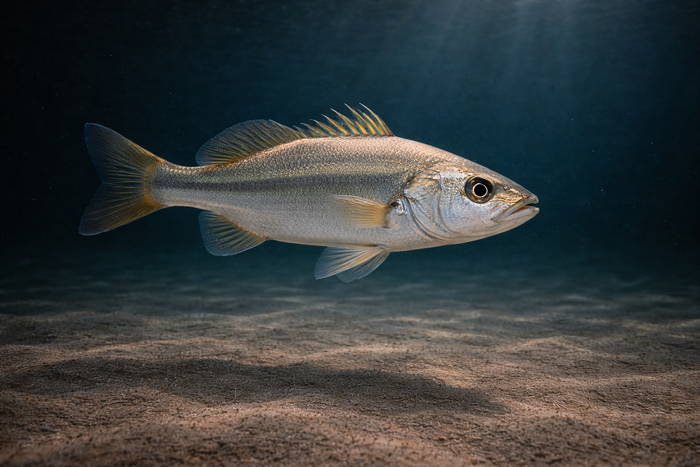
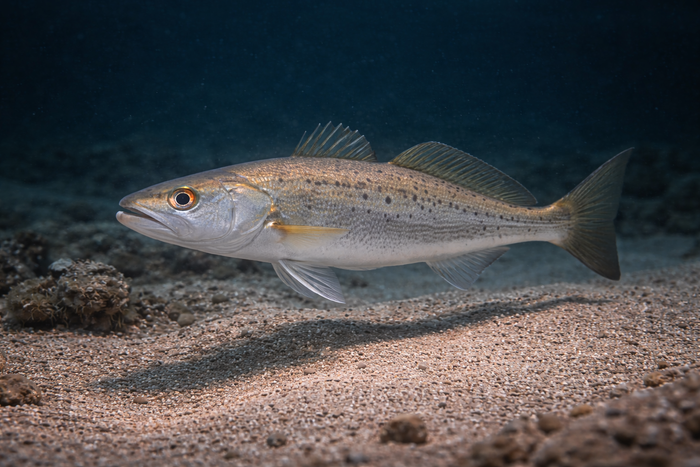
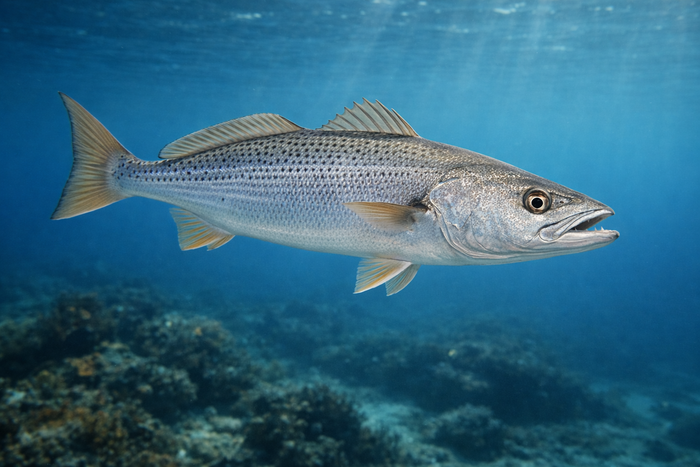
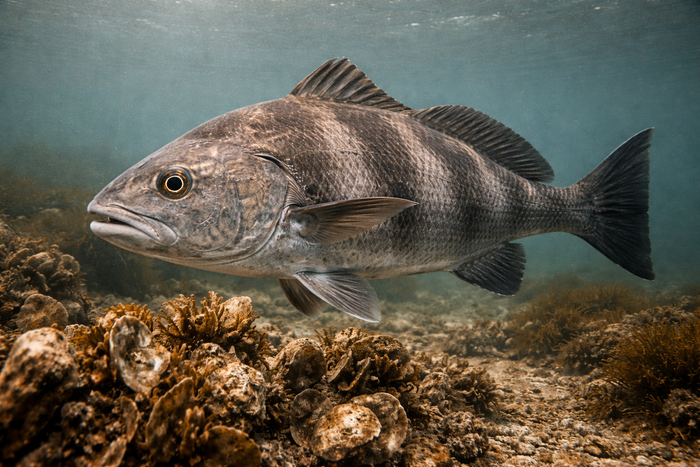
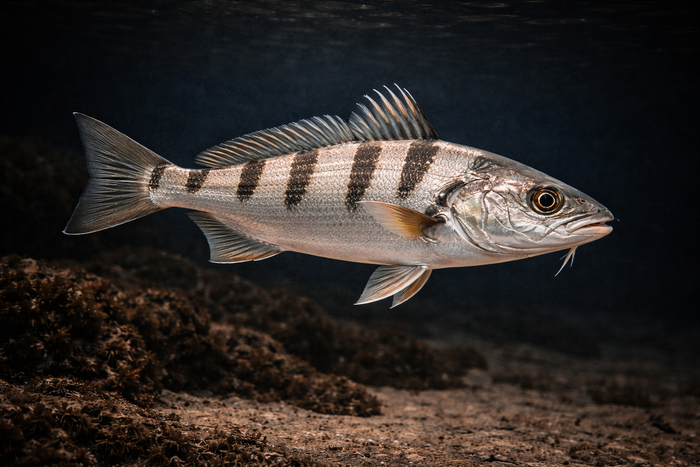
The White Trout stands apart from freshwater trout by belonging to the drum family, not the salmonids. Its body is elongated and silvery, often shimmering with a subtle white sheen that gives it its common name. Unlike the typical trout you might imagine, this species sports a slightly downturned mouth and a set of sharp teeth designed for a carnivorous diet. Its ability to produce a faint drumming sound via specialized muscles vibrating against its swim bladder is a signature trait of the sciaenid family, adding an acoustic dimension to its presence underwater.
This fish is a master of coastal camouflage, blending into sandy and muddy bottoms with ease. Its coloration shifts subtly depending on the environment, making it a stealthy predator. The White Trout’s adaptability to varying salinity levels—from brackish estuaries to open coastal waters—further sets it apart from many other marine species.
Habitat & Global Range
White Trout habitat centers around the eastern Pacific coastline, primarily from Baja California down through parts of the Gulf of California. These fish prefer shallow coastal waters, often frequenting sandy or muddy substrates where they can hunt and hide. Estuaries, bays, and nearshore environments with moderate salinity are prime real estate for this species.
They’re not deep-sea dwellers; instead, they thrive in waters less than 50 meters deep, where food is abundant and conditions fluctuate with tides and seasons. Their presence in both marine and brackish waters highlights their ecological versatility. If you’re tracking White Trout habitat, focus on temperate to subtropical coastal zones with plenty of structural complexity like submerged vegetation or rocky outcrops.
Behavior & Temperament
White Trout are ambush predators with a taste for smaller fish, crustaceans, and cephalopods. They rely on stealth and quick bursts of speed rather than endurance swimming. Their behavior is largely crepuscular, meaning they’re most active during dawn and dusk when prey is abundant and light conditions favor their hunting style.
Despite their name, White Trout are not schooling fish. They tend to be solitary or found in small groups, especially during spawning seasons. Their temperament is cautious but curious, often investigating disturbances in their environment but quick to retreat if threatened.
Spawning occurs seasonally, with females releasing eggs in shallow waters where currents can disperse offspring. Larvae and juveniles use estuaries as nurseries, benefiting from the rich nutrients and relative safety from larger predators.
Ecological Importance
White Trout play a crucial role in coastal food webs. As mid-level predators, they help regulate populations of smaller fish and invertebrates, maintaining balance in their ecosystems. Their predation on species like anchovies and shrimp influences the dynamics of benthic and pelagic communities.
They also serve as prey for larger predators such as sharks, larger fish, and marine mammals, linking lower and higher trophic levels. Their presence in estuarine environments contributes to nutrient cycling, as their feeding and excretion redistribute organic matter across habitats.
For local fisheries, White Trout represent a valuable resource. They support artisanal and recreational fishing communities, contributing to coastal economies. Understanding their ecological role helps ensure sustainable management of these fisheries and the habitats they depend on.
Conservation & Environmental Pressures
White Trout populations face challenges typical of coastal species. Habitat degradation from coastal development, pollution, and sedimentation threatens their nursery grounds and feeding areas. Estuarine environments, critical for juvenile survival, are particularly vulnerable to human impact.
Overfishing, both targeted and incidental, can reduce local populations, especially where monitoring and regulation are lax. Climate change adds another layer of pressure, altering water temperatures and salinity patterns, which can disrupt spawning cycles and habitat suitability.
Conservation efforts must focus on protecting critical habitats, enforcing sustainable fishing practices, and monitoring population trends. Maintaining water quality in estuaries and nearshore zones is essential to support the White Trout’s life cycle. While not currently listed as endangered, proactive measures are necessary to prevent future declines.
The FishyAF Take
The White Trout is a coastal enigma—part predator, part survivor, and all-around fascinating fish. It’s not flashy like a marlin or as famous as a salmon, but it packs a punch in its niche. For anglers and marine biologists alike, understanding White Trout facts and habitat is key to appreciating this species’ role in the marine tapestry.
If you want a fish that embodies adaptability and subtle power, the White Trout deserves your attention. Its ability to thrive in variable environments and maintain ecological balance makes it a species worth watching. Whether you’re casting a line or studying coastal ecosystems, the White Trout is a reminder that sometimes the most interesting fish aren’t the loudest—they’re the ones quietly holding the line.