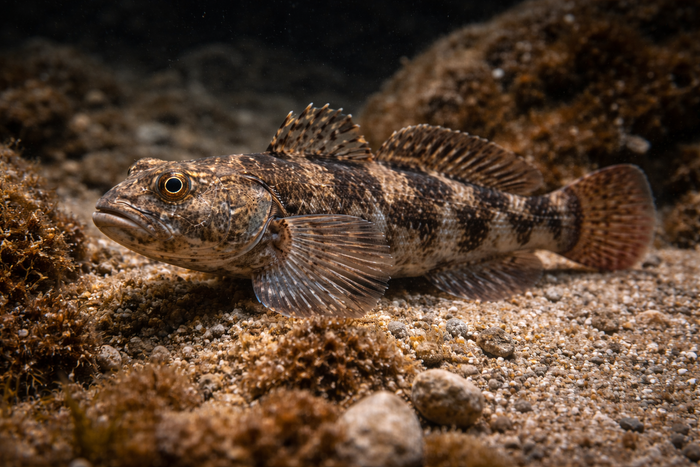
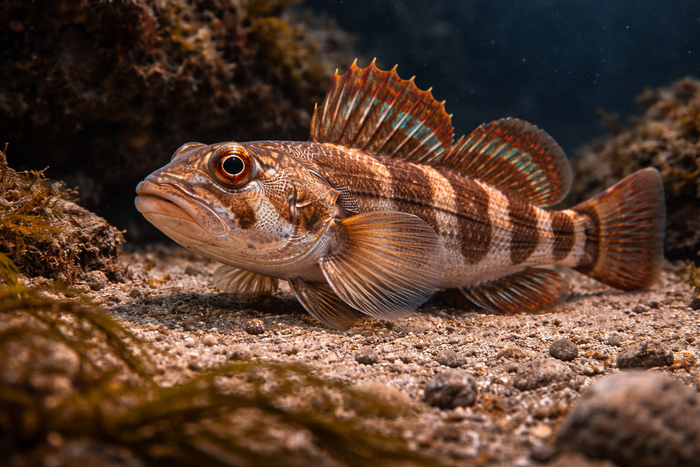
Greater Weever (Trachinus draco): The Sting You’ll Never Forget
The Greater Weever is not your average bottom dweller. This fish commands attention with its venomous sting and stealthy ambush tactics. Found skulking beneath sandy seabeds, it’s a master of disguise and defense. If you’re diving or fishing in European coastal waters, knowing your Greater Weever facts isn’t just trivia—it’s survival.
What Makes the Greater Weever Unique?
The Greater Weever stands out for one reason above all: its venomous spines. Unlike many fish that rely on speed or camouflage alone, the Greater Weever packs a potent defensive punch. Its dorsal fin spines and gill covers are equipped with venom glands that deliver a painful sting to unwary predators or careless humans. This venom can cause intense pain, swelling, and in rare cases, more severe systemic effects.
Beyond its sting, the Greater Weever’s body is a lesson in subtlety. Its elongated, laterally compressed form is perfectly adapted for burying itself in sand with only eyes and dorsal spines exposed. This ambush predator waits patiently for prey, striking with lightning speed. Its diet mainly consists of small fish and crustaceans, which it snatches with a sudden lunge.
Habitat & Global Range
The Greater Weever’s habitat is a sandy or muddy seabed, typically in shallow coastal waters. It prefers temperate zones and is most commonly found in the eastern Atlantic Ocean, from Norway down to Senegal, including the Mediterranean and parts of the Black Sea. The Greater Weever habitat is characterized by sandy bottoms where it can easily bury itself to avoid detection.
This species thrives in depths ranging from a few meters to around 150 meters, though it’s most often encountered in shallower waters where it’s more likely to cross paths with humans. The Greater Weever’s ability to blend into its environment makes it a stealthy inhabitant of these coastal ecosystems.
Behavior & Temperament
The Greater Weever is a solitary, nocturnal hunter. During the day, it buries itself in the sand, lying in wait for unsuspecting prey. Its behavior is all about patience and precision. When a small fish or crustacean ventures too close, the Greater Weever strikes with a rapid snap of its jaws.
Despite its venomous defenses, the Greater Weever is not aggressive unless provoked. Most stings occur when swimmers or fishermen accidentally step on or handle the fish. It’s a classic case of mistaken identity—humans don’t look like prey, but the Greater Weever reacts defensively when threatened.
Its temperament is cautious and reserved, relying on camouflage and venom rather than confrontation. This fish is a textbook example of “don’t mess with me” in the marine world.
Ecological Importance
The Greater Weever plays a crucial role in coastal ecosystems. As a mid-level predator, it helps regulate populations of small fish and crustaceans, maintaining a balanced food web. Its presence indicates healthy sandy bottom habitats, which support a diverse range of marine life.
Moreover, the Greater Weever’s venomous spines deter many potential predators, influencing local predator-prey dynamics. This fish contributes to the complexity and resilience of benthic communities, making it an important species for ecological stability.
Conservation & Environmental Pressures
Currently, the Greater Weever is not listed as endangered, but it faces pressures common to many coastal species. Habitat degradation from coastal development, pollution, and bottom trawling threatens its sandy seabed environment. Changes in water temperature and salinity due to climate change could also impact its distribution and reproductive success.
Fishing practices pose another risk. While not a targeted species, Greater Weevers are often caught as bycatch. Their venomous nature means they are sometimes discarded carelessly, which can affect local populations.
Conservation efforts should focus on protecting coastal habitats and promoting sustainable fishing methods. Monitoring Greater Weever populations can serve as an indicator of ecosystem health, helping to guide broader marine conservation strategies.
The FishyAF Take
The Greater Weever is a fish that demands respect. It’s not flashy or charismatic, but it’s a master of survival with a sting that leaves a lasting impression. Understanding Greater Weever facts and habitat is essential for anyone spending time in European coastal waters. This fish reminds us that the ocean’s most dangerous creatures aren’t always the biggest or fastest—they’re often the quietest and most underestimated.
If you’re fishing or diving where Greater Weevers lurk, keep your wits about you. Step carefully, avoid handling unknown bottom dwellers, and appreciate the Greater Weever for what it is: a perfectly evolved predator with a venomous edge. It’s a reminder that nature’s arsenal is as varied as it is effective, and sometimes the deadliest defense is simply to stay hidden and sting when necessary.