Southern Sea Robin (Prionotus punctatus): The Armored Sea Floor Warrior with Wings You Can’t Ignore
The Southern Sea Robin is not your average bottom-dwelling fish. Sporting a bony, armored head and wing-like pectoral fins that flare out like a medieval knight’s gauntlets, this fish commands attention. Found along the Atlantic coast of the southeastern United States, the Southern Sea Robin blends oddball aesthetics with fascinating behavior. It’s a species that challenges what you think a fish should look like and how it should move. If you want Southern Sea Robin facts that go beyond the surface, you’re in the right place.
What Makes the Southern Sea Robin Unique?
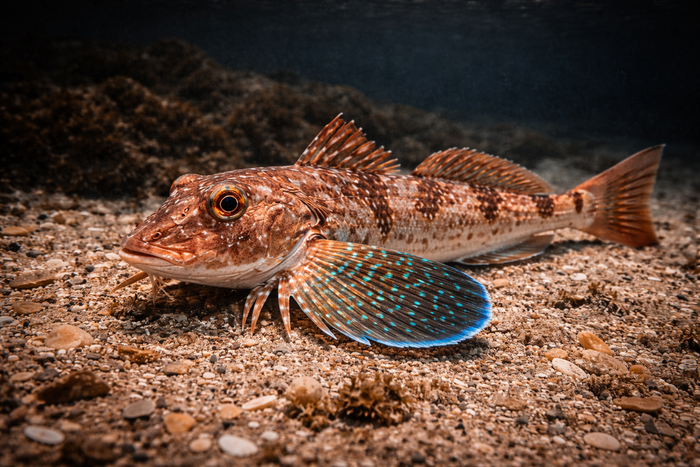
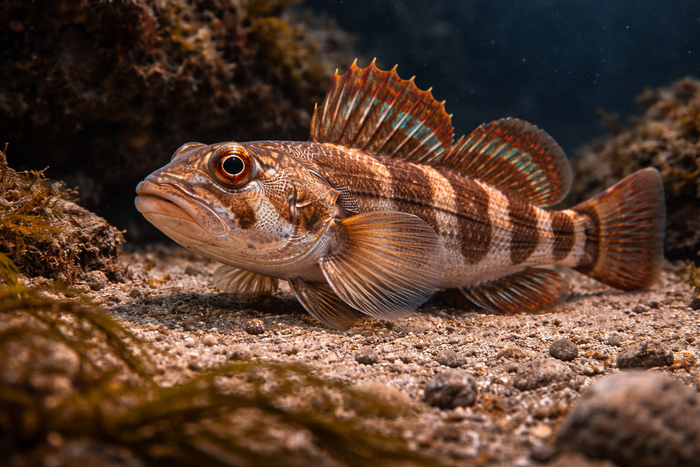
First off, the Southern Sea Robin looks like it’s wearing armor. Its head is covered in thick bony plates, giving it a rugged, prehistoric vibe. But the real showstopper is its pectoral fins. These fins are enormous and fan-shaped, resembling wings more than fins. When spread, they look like a bird’s wings, which is why the name “robin” fits so well. These fins aren’t just for show; they help the fish “walk” along the sea floor and stir up sediment to uncover hidden prey.
Another standout feature is the Southern Sea Robin’s “legs.” These aren’t legs in the traditional sense but modified fin rays that act like tactile feelers. They probe the ocean bottom, helping the fish detect and capture small crustaceans, worms, and other invertebrates. This sensory adaptation is a masterclass in evolutionary innovation, turning the Southern Sea Robin into a bottom-dwelling predator with a sixth sense.
Habitat & Global Range
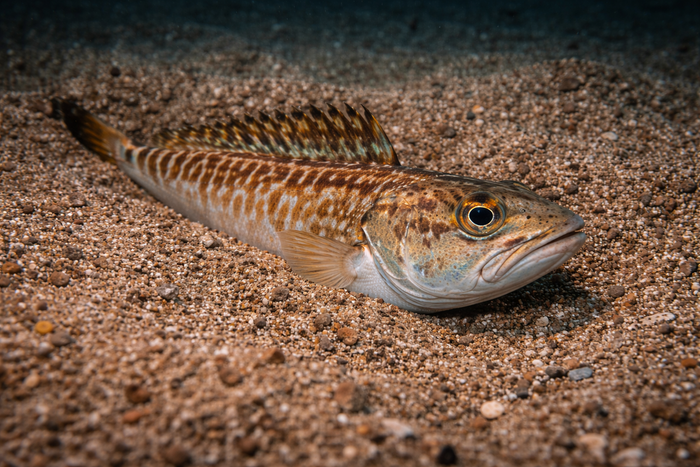
Southern Sea Robin habitat is primarily the shallow coastal waters of the western Atlantic, stretching from North Carolina down through Florida and into the Gulf of Mexico. They prefer sandy or muddy bottoms where they can use their unique fins and “legs” to forage effectively. These fish are typically found at depths ranging from just a few feet to around 90 meters, making them accessible to both recreational anglers and researchers.
This species thrives in temperate to subtropical waters, often hanging out near estuaries and bays where food is abundant. The Southern Sea Robin’s ability to adapt to various bottom types within its range makes it a resilient member of coastal ecosystems. Its presence is a reliable indicator of healthy benthic environments.
Behavior & Temperament
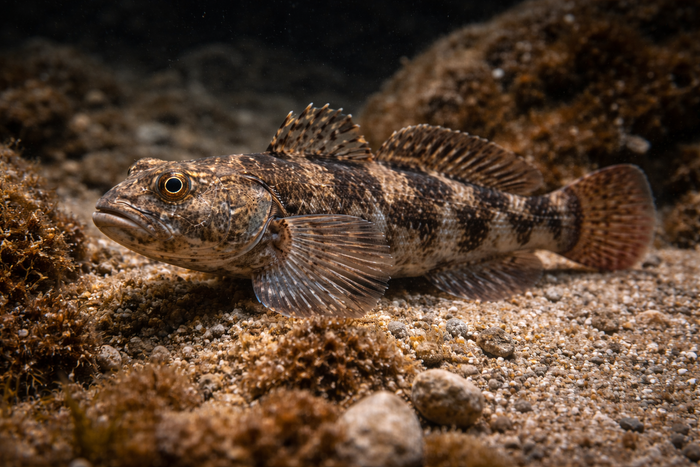
Southern Sea Robins are bottom dwellers with a curious and somewhat bold nature. They use their wing-like fins to glide just above the substrate or to “walk” along the sea floor. When hunting, they spread their fins wide to flush out prey hiding in the sediment. Their “legs” probe the sand, detecting movement and vibrations.
Despite their armored appearance, these fish are not aggressive. They tend to be solitary or found in small groups, focusing on foraging rather than confrontation. When threatened, they can produce a grunting sound by vibrating their swim bladder, a behavior that adds an unexpected layer to their communication repertoire.
For anglers, Southern Sea Robins are a mixed bag. They’re not prized for eating but are often caught as bycatch. Their tough, bony heads and spiny fins make handling a challenge, but their quirky appearance and interesting behavior make them a memorable catch.
Ecological Importance
Southern Sea Robins play a vital role in coastal ecosystems. As benthic predators, they help control populations of small invertebrates like crustaceans and worms. This predation keeps the sediment community balanced and prevents any one species from dominating the sea floor.
Their foraging behavior also contributes to sediment turnover, which aerates the substrate and promotes nutrient cycling. This activity benefits other bottom-dwelling organisms and supports overall ecosystem health.
Additionally, Southern Sea Robins serve as prey for larger fish, sharks, and marine mammals. Their armored bodies provide some defense, but they remain an important link in the food web, transferring energy from the benthic zone up to higher trophic levels.
Conservation & Environmental Pressures
Currently, the Southern Sea Robin is not listed as endangered or threatened, but it faces environmental pressures common to many coastal species. Habitat degradation from coastal development, pollution, and sediment disruption can impact their populations. Since they rely on healthy benthic environments, any decline in water quality or substrate condition can reduce their food sources and breeding grounds.
Bycatch in commercial and recreational fisheries also poses a risk, though it is not considered a major threat at this time. Monitoring Southern Sea Robin populations can provide insight into the health of coastal benthic habitats, making them a useful species for environmental assessments.
The FishyAF Take
The Southern Sea Robin is a fish that refuses to blend into the background. Its armored head, wing-like fins, and probing “legs” make it one of the most visually striking and behaviorally unique bottom dwellers in the Atlantic. Southern Sea Robin facts reveal a creature perfectly adapted to its niche, combining sensory innovation with a bold, almost theatrical appearance.
If you’re interested in coastal marine life that breaks the mold, the Southern Sea Robin is a must-know. It’s not just a curiosity; it’s a vital player in benthic ecosystems and a reminder that evolution often favors the weird and wonderful. Next time you’re fishing or diving in Southern Sea Robin habitat, keep an eye out for this armored sea floor warrior. It’s a fish that proves nature’s creativity knows no bounds.