Northern Sea Robin (Prionotus carolinus): The Armored Sea Floor Warrior with Wings You Can’t Miss
The Northern Sea Robin is not your average bottom-dweller. Sporting a bony head, armored plates, and wing-like pectoral fins that flare out like a medieval knight’s gauntlets, this fish commands attention. Found along the Atlantic coast of North America, it’s a creature that blends brute strength with surprising agility. If you’re diving into Northern Sea Robin facts, prepare to meet a fish that’s as fascinating as it is formidable.
What Makes the Northern Sea Robin Unique?
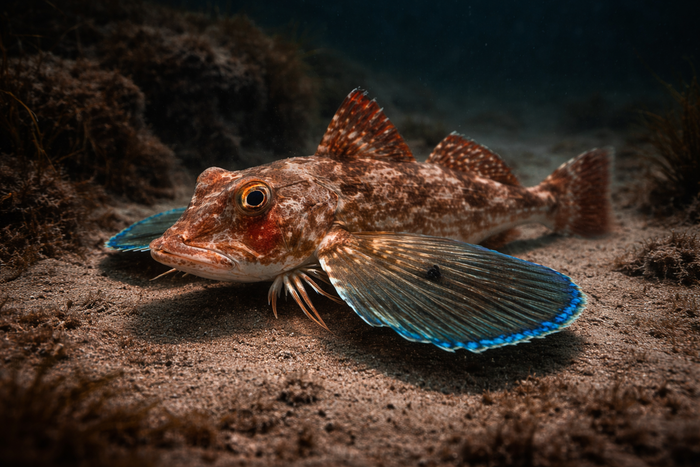
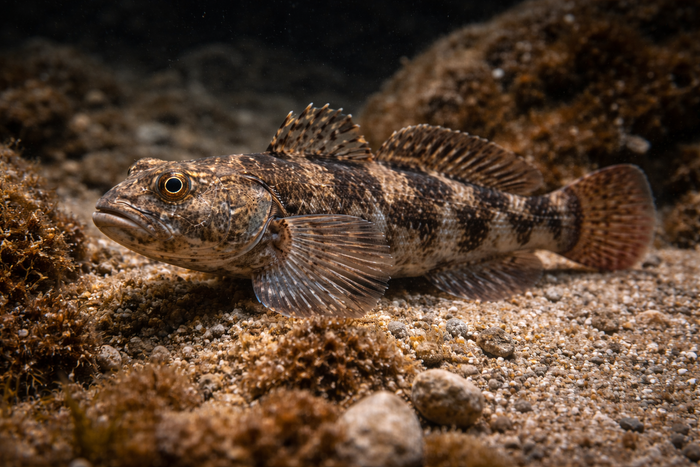
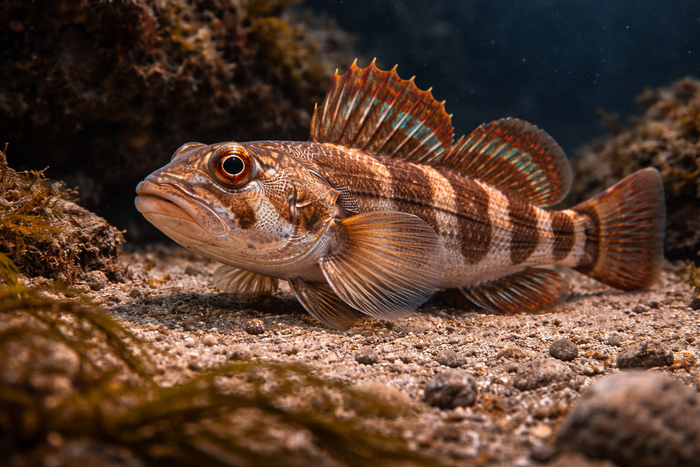
Northern Sea Robins are the rock stars of the benthic world. Their standout feature is those massive, wing-like pectoral fins, which they use like legs to “walk” along the ocean floor. These fins are lined with bright blue and orange hues, a splash of color that contrasts with their otherwise drab, armored bodies. But the real showstopper is the set of finger-like projections at the base of these fins. These “fingers” are actually modified fin rays packed with sensory organs that probe the sand for prey, effectively turning the fish into a living metal detector.
Their heads are covered in bony plates and spines, giving them a prehistoric, armored look. This isn’t just for show; it’s a defense mechanism against predators. Unlike many fish that rely on speed to escape, the Northern Sea Robin relies on armor and camouflage. When threatened, it can flare its pectoral fins to appear larger and more intimidating.
Habitat & Global Range
Northern Sea Robin habitat spans the western Atlantic, from Nova Scotia down to the Gulf of Mexico. They prefer sandy or muddy bottoms from shallow coastal waters to depths of around 200 meters. This species is a true bottom-dweller, often found near estuaries, bays, and continental shelves where the substrate is soft enough for their sensory “fingers” to dig in.
These fish are adapted to temperate waters and can tolerate a range of salinities, making estuarine environments ideal. Seasonal migrations are common, with Northern Sea Robins moving to deeper waters during colder months and returning to shallower areas in spring and summer to feed and spawn.
Behavior & Temperament
Northern Sea Robins are bottom foragers with a unique hunting style. Using their finger-like fin rays, they sift through sediment to uncover crustaceans, small fish, and mollusks. Their sensory capabilities are so refined that they can detect prey buried beneath the sand, making them efficient predators in their niche.
Despite their armored appearance, these fish are not aggressive. They tend to be solitary or found in small groups. When disturbed, they rely on their intimidating fin display and armored body rather than fleeing. This behavior suggests confidence in their defenses rather than a skittish nature.
Their vocalizations are another interesting trait. Northern Sea Robins can produce grunting or croaking sounds by vibrating their swim bladders, a rare ability among fish. These sounds are believed to play a role in communication during spawning or territorial disputes.
Ecological Importance
Northern Sea Robins play a vital role in benthic ecosystems. By foraging through sediment, they help aerate the sea floor, promoting nutrient cycling and maintaining healthy substrate conditions. Their diet controls populations of small invertebrates, preventing any one species from dominating the benthic community.
They also serve as prey for larger fish, sharks, and marine mammals, forming a crucial link in the food web. Their armored bodies and fin displays may deter some predators, but they remain an important food source, especially for species adapted to hunting armored prey.
Conservation & Environmental Pressures
Currently, Northern Sea Robins are not listed as endangered or threatened. Their populations appear stable, benefiting from a wide range and adaptable habitat preferences. However, they are not immune to environmental pressures.
Bottom trawling and dredging pose significant threats by disrupting their habitat and food sources. These fishing methods can destroy the soft sediment environments Northern Sea Robins depend on. Pollution, particularly from coastal runoff, can degrade water quality and impact their prey availability.
Climate change also factors into their future. Shifts in water temperature and salinity could alter their distribution and spawning patterns. Monitoring Northern Sea Robin habitat changes is essential to understanding how these pressures might affect their populations in the long term.
The FishyAF Take
Northern Sea Robins are a prime example of evolutionary ingenuity. Their armored heads and wing-like fins are not just bizarre features but finely tuned adaptations for survival on the seafloor. They combine brute defense with sensory sophistication, making them formidable hunters and survivors.
For anglers and marine enthusiasts, Northern Sea Robins offer a glimpse into a world where fish don’t just swim—they stalk, probe, and strut across the ocean floor like armored knights. Their unique behavior and appearance make them a species worth knowing beyond the usual suspects of the sea.
If you’re diving into Northern Sea Robin facts or exploring Northern Sea Robin habitat, remember this fish is more than a curiosity. It’s a vital player in coastal ecosystems, a survivor of the benthic battlefield, and a reminder that the ocean’s floor is full of surprises. Keep an eye out for those flared fins and armored heads—they’re the unmistakable signature of the Northern Sea Robin, a fish that refuses to blend into the background.