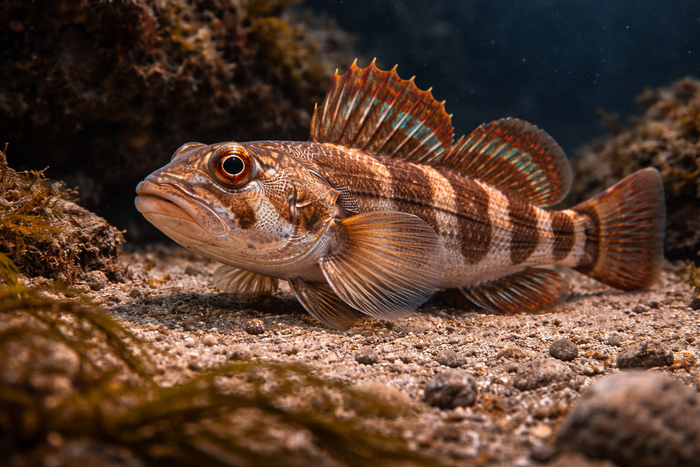
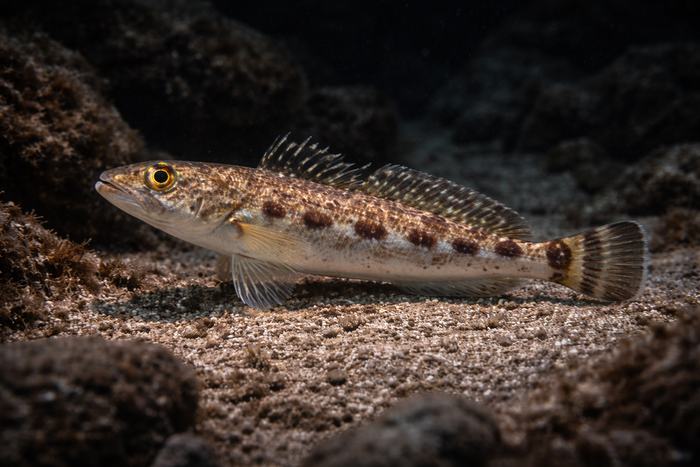
Tomcod (Microgadus tomcod): The Underdog of Cold Waters with a Surprising Bite
Tomcod might not be the flashiest fish in the sea, but this small gadid packs a punch in both adaptability and ecological significance. Often overshadowed by its more famous relatives like the Atlantic cod, the Tomcod deserves a closer look. This species thrives in chilly coastal waters and estuaries, proving that size and fame aren’t everything in the underwater world. If you’re after solid Tomcod facts and a deeper understanding of its role in marine ecosystems, you’ve come to the right place.
What Makes the Tomcod Unique?
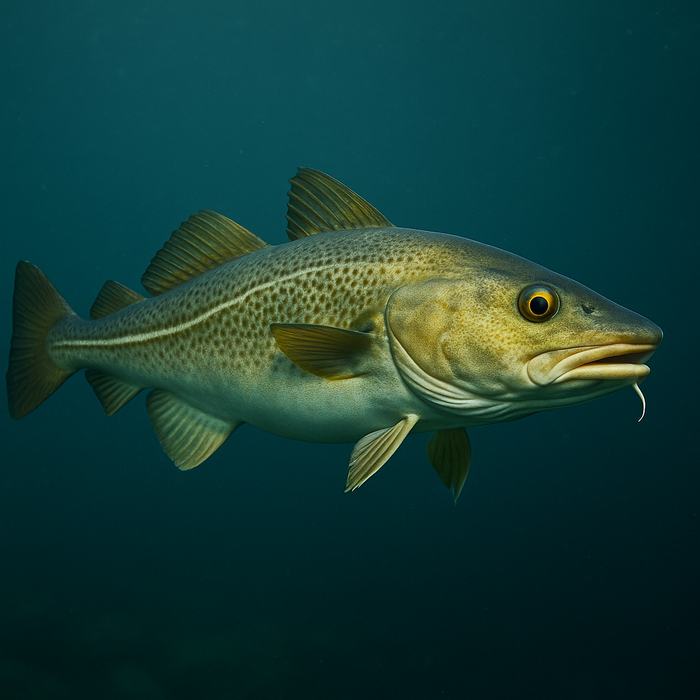
Tomcod stands out for its resilience and versatility. Unlike many fish that stick to narrow environmental conditions, Tomcod can tolerate a wide range of salinities and temperatures. This adaptability allows it to inhabit both brackish estuaries and colder ocean waters. Its relatively small size and elongated body make it an efficient predator of small invertebrates and fish larvae.
One of the most fascinating Tomcod facts is its genetic adaptability. In some polluted environments, Tomcod populations have developed resistance to toxins that would be lethal to other fish. This evolutionary edge highlights the species’ ability to survive in compromised habitats, a trait that’s rare and remarkable among marine fish.
Habitat & Global Range
Tomcod habitat spans the cold coastal waters of the northwest Atlantic, from the Gulf of St. Lawrence down to the mid-Atlantic states of the U.S. They favor shallow bays, estuaries, and river mouths where fresh and saltwater mix. These environments provide abundant food and shelter from larger predators.
The species is particularly common in areas with muddy or sandy bottoms, where it can hunt for crustaceans, worms, and small fish. Tomcod’s presence in estuaries is a key part of its life cycle, as these zones serve as nursery grounds for juveniles. The ability to thrive in both saltwater and brackish conditions makes Tomcod habitat quite diverse, spanning from nearshore waters to tidal rivers.
Behavior & Temperament
Tomcod are opportunistic feeders with a diet that shifts based on availability. Their feeding behavior is active and adaptable, targeting whatever small prey is abundant—whether that’s amphipods, shrimp, or fish larvae. This opportunism is a survival strategy that keeps Tomcod populations stable even when food sources fluctuate.
Socially, Tomcod tend to form loose schools, especially during spawning seasons. These gatherings increase reproductive success and provide some protection from predators. Despite their small size, Tomcod are surprisingly bold. They don’t shy away from competing for territory or food, which is unusual for fish of their stature.
Ecological Importance
Tomcod plays a crucial role in coastal food webs. As both predator and prey, it occupies a middle trophic level that helps maintain balance in marine ecosystems. By feeding on invertebrates and small fish, Tomcod controls populations that could otherwise explode and disrupt the environment.
At the same time, Tomcod is a vital food source for larger fish, seabirds, and marine mammals. Its abundance in estuaries supports species diversity and overall ecosystem health. The species also contributes to nutrient cycling by breaking down organic matter and redistributing energy through the food chain.
Conservation & Environmental Pressures
Despite its resilience, Tomcod faces significant environmental pressures. Coastal development, pollution, and habitat degradation threaten the estuaries and river mouths that are essential for its survival. Contaminants like PCBs and heavy metals accumulate in these waters, posing risks even to toxin-resistant populations.
Climate change adds another layer of complexity. Rising water temperatures and altered salinity patterns could shift Tomcod habitat ranges and disrupt spawning cycles. Overfishing is less of a concern for Tomcod compared to larger cod species, but bycatch and habitat disturbance still impact local populations.
Conservation efforts focus on protecting estuarine environments and monitoring pollutant levels. Maintaining healthy Tomcod populations is not just about preserving a single species; it’s about safeguarding the integrity of entire coastal ecosystems.
The FishyAF Take
Tomcod is the unsung hero of cold-water coastal habitats. Its adaptability, ecological role, and surprising genetic resilience make it a species worth paying attention to. For anglers and marine enthusiasts, Tomcod offers a lesson in how even small fish can have big impacts. Understanding Tomcod facts and habitat needs isn’t just academic—it’s essential for managing and protecting the delicate balance of our coastal waters.
If you want to dive deeper into the world of cold-water fish, Tomcod is a perfect starting point. It’s a reminder that in the ocean, survival isn’t about being the biggest or the flashiest. It’s about being smart, adaptable, and ready to thrive no matter what the environment throws your way.