Rainbow Darter (Etheostoma caeruleum): Small Fish, Big Personality, and a Splash of Color You Can’t Ignore
The Rainbow Darter isn’t just another small freshwater fish. It’s a vibrant splash of color darting through North America’s streams, a master of its niche with a personality as bold as its name. If you think small means insignificant, think again. This species packs ecological punch and visual flair that make it a standout in the crowded world of darters. Here’s everything you need to know about the Rainbow Darter, from its flashy colors to its critical role in freshwater ecosystems.
What Makes the Rainbow Darter Unique?
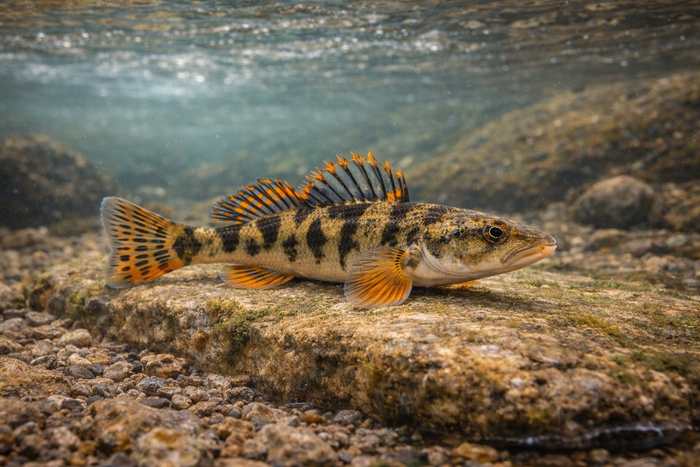
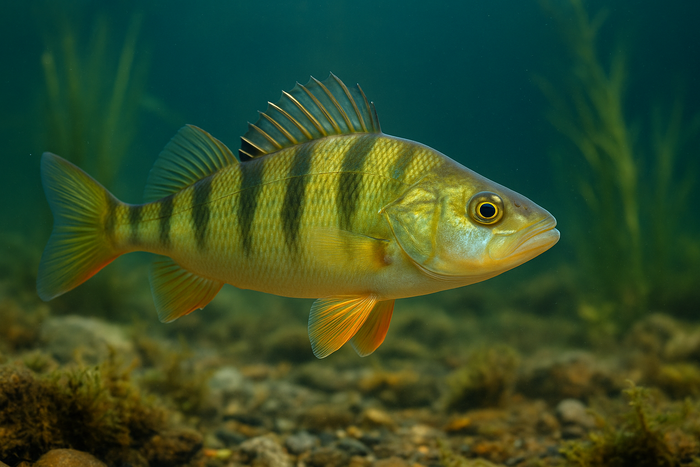
The first thing that grabs your attention with the Rainbow Darter is its color palette. Males, especially during breeding season, sport electric blues, fiery oranges, and striking reds arranged in bold bands along their bodies. This isn’t just for show. These colors signal fitness and territorial dominance, turning the Rainbow Darter into a living, swimming billboard of reproductive prowess.
Beyond looks, the Rainbow Darter’s body shape and behavior set it apart. It’s built for speed and agility, with a streamlined form and strong pectoral fins that allow it to hover and dart in fast-flowing streams. Unlike many fish that rely on stealth or bulk, the Rainbow Darter’s strategy is quick, precise movements to snatch up tiny invertebrates. Its name isn’t just poetic—it’s a literal description of how it moves.
Habitat & Global Range
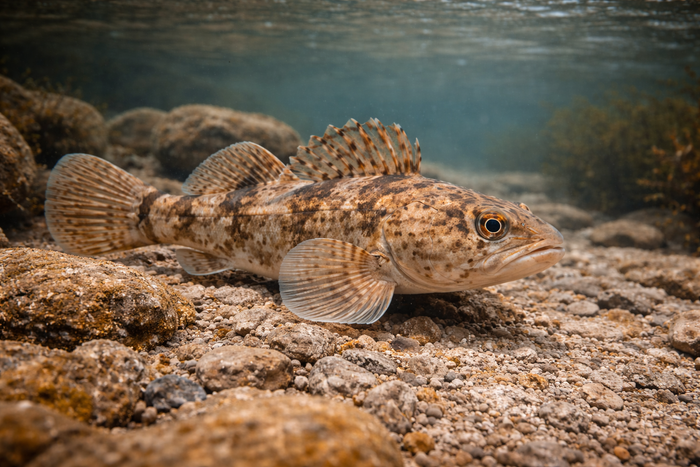
Rainbow Darters call the freshwater streams and rivers of the central and eastern United States home. Their preferred Rainbow Darter habitat includes clear, cool, fast-flowing waters with gravel or rocky bottoms. These environments provide the oxygen-rich conditions and abundant food sources they need to thrive.
You’ll find them from the Mississippi River basin stretching eastward to the Appalachian foothills. Their distribution is patchy but widespread, favoring habitats where water quality remains high and sedimentation is low. If you’re fishing or exploring streams in these regions, keep an eye out for their quick flashes of color among the rocks.
Behavior & Temperament
Rainbow Darters are territorial little warriors. Males stake out small patches of streambed and aggressively defend them from rivals, especially during breeding season. Their displays involve flaring fins and vibrant color shows, making their confrontations as much about visual intimidation as physical combat.
Despite their feisty nature, these fish aren’t solitary loners. They often cluster in small groups outside of breeding periods, balancing social interaction with territorial instincts. Their diet is all about opportunism—tiny aquatic insects, larvae, and other invertebrates make up the bulk of their meals. Their hunting style is a rapid dart-and-snatch, perfectly suited to their name.
Ecological Importance
Don’t let their size fool you. Rainbow Darters are a vital cog in freshwater ecosystems. They serve as both predator and prey, controlling insect populations while feeding larger fish, birds, and other wildlife. Their presence is a strong indicator of good water quality, making them a natural bioindicator for stream health.
By feeding on benthic invertebrates, they help regulate the populations of aquatic insects that could otherwise explode and disrupt the ecosystem balance. Their spawning behavior also contributes to the aeration and turnover of streambed substrates, indirectly supporting other aquatic life.
Conservation & Environmental Pressures
Rainbow Darters face challenges that are all too common for freshwater species. Habitat degradation from pollution, sediment runoff, and damming threatens their clear, flowing water homes. Urbanization and agriculture increase sediment and nutrient loads, clouding waters and smothering the rocky substrates they depend on.
While not currently endangered, local populations can decline sharply if their habitat is compromised. Conservation efforts focus on maintaining water quality, protecting stream habitats, and monitoring populations to catch declines early. Their sensitivity to environmental changes makes them a canary in the coal mine for freshwater ecosystem health.
The FishyAF Take
The Rainbow Darter is a prime example of how small fish can make a big splash in their ecosystems. Its vivid colors, aggressive behavior, and ecological role combine to create a species that’s both fascinating and essential. For anglers, naturalists, or anyone interested in freshwater biodiversity, the Rainbow Darter offers a window into the complexity and beauty of stream life.
Understanding Rainbow Darter facts and appreciating their habitat is more than trivia—it’s a reminder that healthy streams depend on the smallest players. Protecting these flashy little fish means safeguarding entire aquatic communities. So next time you spot a quick flash of color in a clear stream, remember the Rainbow Darter is more than just a pretty face. It’s a vital thread in the freshwater tapestry, darting boldly through the currents of life.