Fringed Darter (Etheostoma crossopterum): Small Fish, Big Personality, Zero Apologies
The Fringed Darter, scientifically known as Etheostoma crossopterum, is a freshwater fish that punches well above its weight in character and ecological significance. This little dynamo belongs to the darter family, a group known for their vibrant colors and spunky behavior. If you think small fish are forgettable, the Fringed Darter is here to rewrite that narrative with its distinctive fringed fins and tenacious presence in North American streams.
What Makes the Fringed Darter Unique?
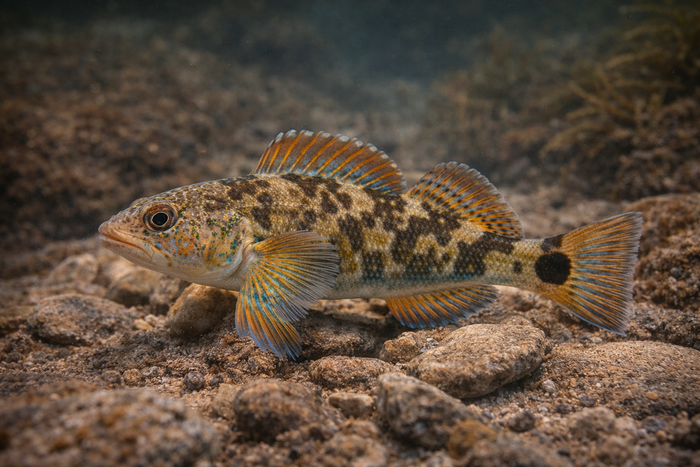
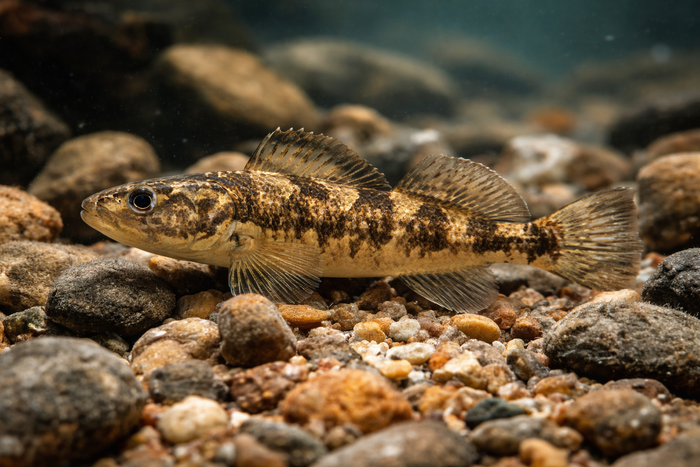
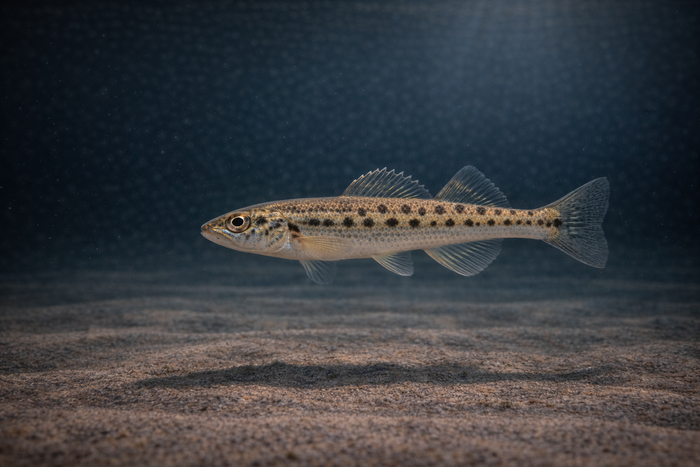
Forget blending into the background. The Fringed Darter stands out with its fringed pectoral fins, which look like delicate lacework fluttering underwater. This isn’t just for show; these fringes aid in subtle maneuvering among rocks and swift currents. Its body sports a mosaic of earthy tones—olive, brown, and hints of orange—that provide camouflage without sacrificing style.
Unlike many fish that rely on speed alone, the Fringed Darter uses a combination of agility and stealth to hunt tiny invertebrates. It’s a master of short bursts, darting between crevices to snatch prey. Its name isn’t just a label; it’s a behavioral hallmark. The species also exhibits fascinating breeding behaviors, with males showing off brighter colors and engaging in territorial displays that would make a reality TV star jealous.
Habitat & Global Range
The Fringed Darter is a regional specialist, found primarily in the freshwater streams and rivers of the southeastern United States. Its preferred Fringed Darter habitat includes clear, fast-flowing waters with rocky or gravelly bottoms. These conditions provide both the oxygen-rich environment it thrives in and the structural complexity needed for feeding and breeding.
This fish is not a wanderer. It sticks close to home, favoring riffles and runs where the current is strong but not overwhelming. The Fringed Darter’s range is relatively limited compared to more widespread species, making its habitat a critical factor in its survival. Understanding these habitat preferences is key to any conservation effort.
Behavior & Temperament
If you think fish are boring, the Fringed Darter will challenge that assumption. It’s a feisty little creature with a bold temperament. Males are territorial, often engaging in rapid chases and fin flaring to ward off rivals. This behavior peaks during breeding season when the stakes are highest.
Socially, Fringed Darters are not loners but prefer loose aggregations where they can maintain individual territories without constant conflict. Their activity peaks during daylight hours, especially in mid-morning and late afternoon, when they hunt for aquatic insects and larvae.
Their swimming style is a series of quick darts and pauses, a pattern that conserves energy while maximizing hunting efficiency. They are sensitive to water quality and temperature, making them excellent indicators of stream health.
Ecological Importance
Don’t underestimate the Fringed Darter’s role in its ecosystem. As a predator of small invertebrates, it helps regulate insect populations, contributing to the balance of aquatic food webs. In turn, it serves as prey for larger fish, birds, and other wildlife, linking multiple trophic levels.
Its presence signals a healthy, well-oxygenated stream environment. Because it requires clean, flowing water with specific substrate types, the Fringed Darter acts as a natural bioindicator. Declines in its population often signal broader environmental issues like pollution or habitat degradation.
Conservation & Environmental Pressures
The Fringed Darter faces several challenges, primarily from habitat loss and water quality decline. Urbanization, agriculture runoff, and dam construction disrupt its preferred fast-flowing, rocky habitats. Sedimentation from erosion smothers the gravel beds crucial for spawning.
Pollution, including pesticides and heavy metals, further threatens its survival by contaminating the water and reducing invertebrate prey availability. Climate change adds another layer of complexity, altering stream temperatures and flow patterns beyond the Fringed Darter’s tolerance.
Conservation efforts must focus on protecting and restoring stream habitats, controlling pollution sources, and maintaining natural water flow regimes. Monitoring Fringed Darter populations provides valuable data to guide these initiatives.
The FishyAF Take
The Fringed Darter is a prime example of how even the smallest fish can be ecological powerhouses with distinct personalities. It’s not just another minnow in the stream; it’s a finely tuned predator, a territorial showman, and a vital cog in freshwater ecosystems. If you’re serious about understanding stream health or just want a fish with attitude, the Fringed Darter demands your attention.
Its survival hinges on clean, flowing waters and intact habitats—conditions increasingly under threat. Protecting the Fringed Darter means protecting the broader aquatic environment that countless species, including humans, rely on. This fish may be small, but its story is big, bold, and worth telling. Keep an eye out for this fringed marvel next time you’re near a clear stream. It’s a reminder that nature’s complexity often comes in compact, fringed packages.