Spottail Darter (Etheostoma squamiceps): Small Fish, Big Personality, and a Spot That Demands Attention
The Spottail Darter, scientifically known as Etheostoma squamiceps, is a freshwater fish that punches well above its weight in terms of ecological significance and distinctiveness. This small, bottom-dwelling species belongs to the diverse darter family, known for their vibrant colors and intricate behaviors. While it might not be the flashiest fish in the river, the Spottail Darter’s unique markings and adaptive lifestyle make it a fascinating subject for anglers, biologists, and conservationists alike.
What Makes the Spottail Darter Unique?
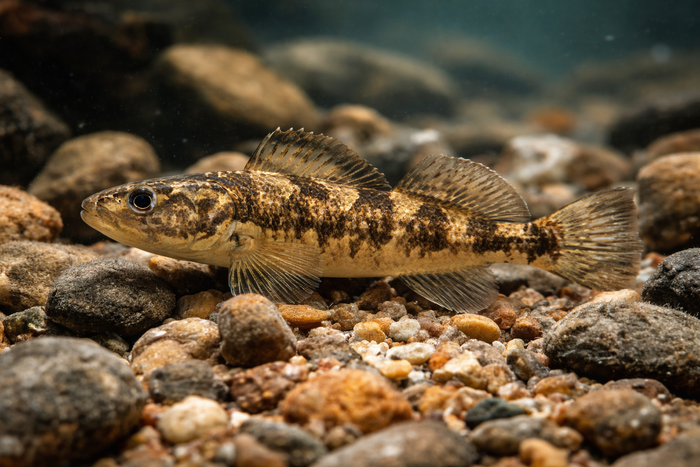
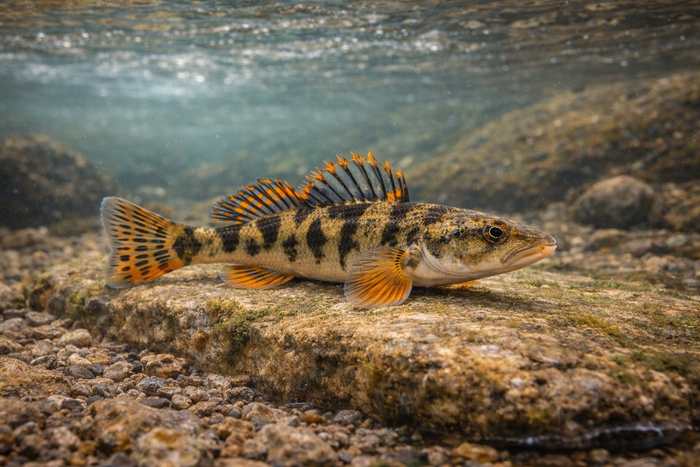
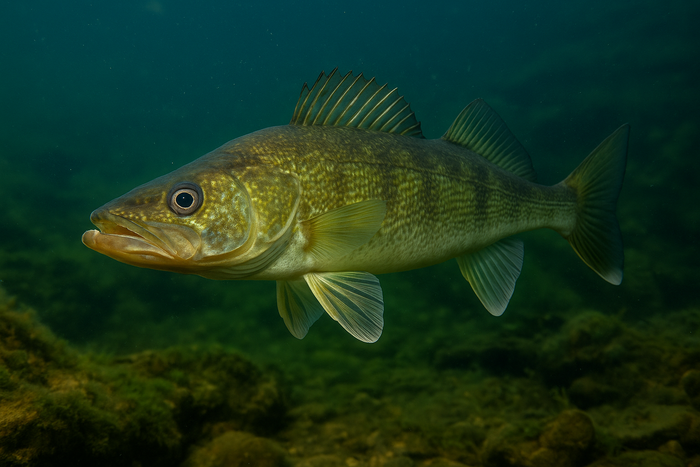
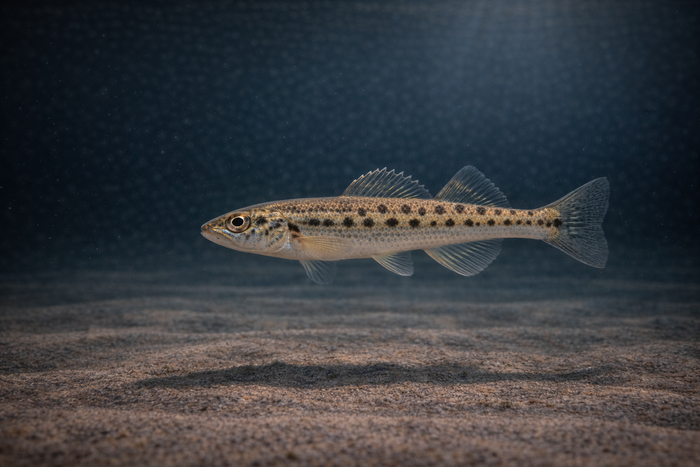
The Spottail Darter stands out primarily because of its distinctive black spot located near the base of its tail fin—a feature that gives it its common name. Beyond this visual signature, the species boasts a compact, streamlined body designed for darting quickly among rocks and gravel in fast-flowing streams. Unlike many fish that rely on speed over short bursts, the Spottail Darter combines agility with an ability to maintain position in turbulent waters.
Its coloration is subtle but effective: a mix of olive, brown, and yellow hues with faint vertical bars along the sides. This camouflage helps it blend seamlessly into its rocky substrate habitat. The species also exhibits sexual dimorphism during breeding seasons, with males developing brighter colors and more pronounced markings to attract mates and stake territorial claims.
Habitat & Global Range
Spottail Darter habitat is primarily restricted to the freshwater streams and small rivers of the eastern United States, especially within the Ohio River basin and parts of the Tennessee River drainage. These fish prefer clear, well-oxygenated waters with moderate to swift currents. The substrate is crucial—gravel, cobble, and rocky bottoms provide the perfect environment for foraging and spawning.
Unlike species that tolerate murky or stagnant waters, the Spottail Darter demands pristine conditions. This sensitivity to water quality makes it a reliable indicator species for assessing stream health. If you’re fishing or studying streams in its native range, spotting a Spottail Darter is a good sign the ecosystem is in decent shape.
Behavior & Temperament
True to its name, the Spottail Darter is a quick and nimble swimmer. It spends most of its time near the bottom, darting between rocks and crevices to avoid predators and hunt for small invertebrates. Its diet consists mainly of insect larvae, small crustaceans, and other benthic organisms.
The species is territorial, especially during breeding seasons when males become more aggressive in defending their chosen spots. Outside of spawning, they tend to be solitary or found in loose aggregations rather than tight schools. Their behavior is a study in energy efficiency—minimizing unnecessary movement while maximizing feeding and reproductive success.
Ecological Importance
The Spottail Darter plays a vital role in freshwater ecosystems. As a benthic predator, it helps regulate populations of aquatic insects and invertebrates, maintaining a balanced food web. In turn, it serves as prey for larger fish, birds, and other wildlife, linking multiple trophic levels.
Because of its sensitivity to pollution and habitat disturbance, the Spottail Darter acts as a biological barometer for stream health. Declines in its population often signal broader environmental issues such as sedimentation, chemical runoff, or habitat fragmentation. Protecting this species means protecting the integrity of entire freshwater systems.
Conservation & Environmental Pressures
Despite its ecological importance, the Spottail Darter faces several threats. Habitat degradation due to urbanization, agriculture, and dam construction has fragmented populations and altered stream dynamics. Increased sedimentation from poor land management smothers the gravel beds essential for spawning.
Pollution from pesticides, heavy metals, and other contaminants further jeopardizes water quality. Climate change adds another layer of complexity by altering flow regimes and water temperatures, potentially pushing the species beyond its tolerance limits.
Conservation efforts focus on habitat restoration, water quality improvement, and maintaining connectivity between populations. Monitoring Spottail Darter populations provides valuable data for managing freshwater ecosystems and guiding policy decisions.
The FishyAF Take
The Spottail Darter may not be the flashiest fish in the river, but it’s a powerhouse of ecological insight and evolutionary adaptation. Its bold spot is more than just a mark—it’s a symbol of resilience in fast-flowing, often challenging environments. For anglers, biologists, or anyone interested in freshwater biodiversity, understanding Spottail Darter facts and habitat is crucial.
This species reminds us that even the smallest fish can have outsized importance. Protecting the Spottail Darter means safeguarding the streams that sustain countless forms of life, including our own. Next time you’re near a clear, rocky stream in the eastern U.S., keep an eye out for that darting flash and the telltale spot—nature’s subtle but powerful signature of a healthy river system.