Western Sand Darter (Ammocrypta clara): The Master of Disappearing Acts in North American Streams
The Western Sand Darter is not your average freshwater fish. Small, sleek, and built for speed, this species thrives in sandy-bottomed streams where it blends into its environment with near-perfect camouflage. If you’re diving into Western Sand Darter facts, prepare to meet a fish that’s as elusive as it is fascinating. Its understated presence in North American waterways belies a complex lifestyle perfectly adapted to a niche many fish overlook.
What Makes the Western Sand Darter Unique?
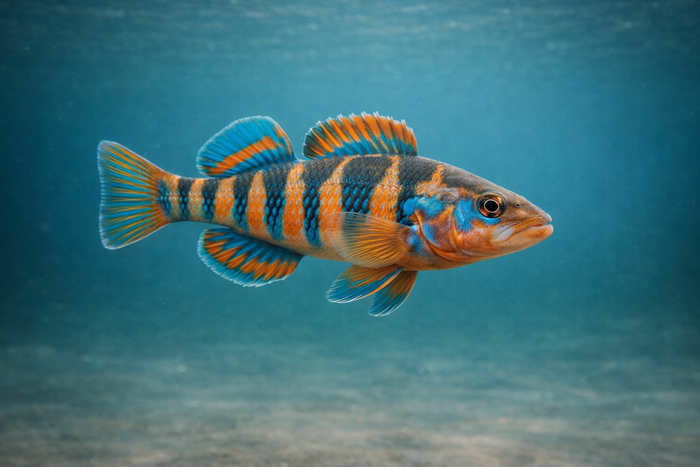
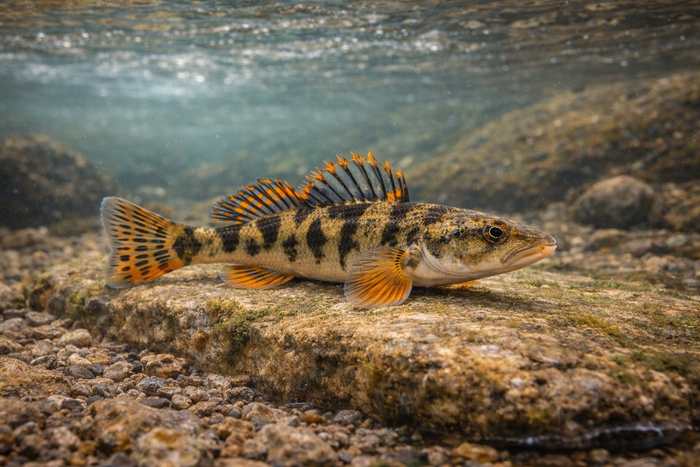
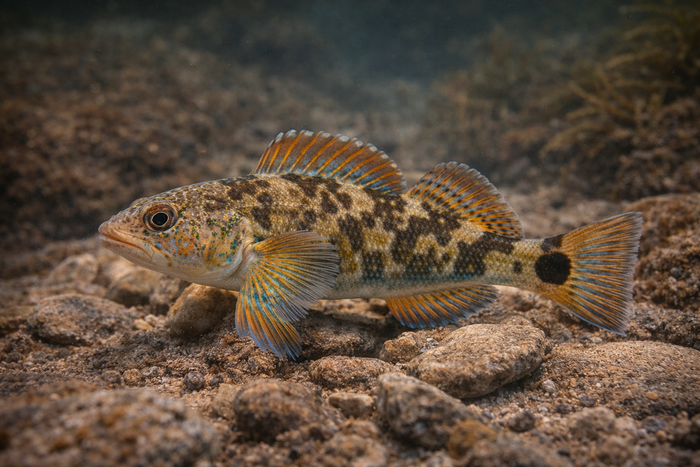
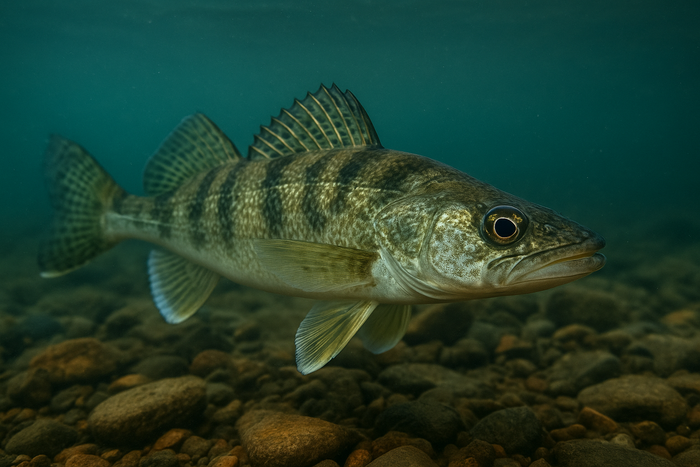
The Western Sand Darter’s claim to fame is its sand-burrowing behavior. Unlike many fish that hide behind rocks or vegetation, this species literally disappears beneath the substrate. Its elongated, slender body and translucent coloration allow it to slip under the sand with minimal disturbance. This is no accident; it’s a survival strategy that protects it from predators and helps it ambush prey.
Another standout feature is its specialized fins. The pectoral and pelvic fins are positioned to help the fish anchor itself in fast-flowing currents while it waits for food or hides from threats. Its eyes sit high on the head, giving it a wide field of vision despite its low profile. These adaptations make the Western Sand Darter a master of its sandy domain.
Habitat & Global Range
The Western Sand Darter is native to the central United States, primarily found in the Mississippi River basin and its tributaries. Its Western Sand Darter habitat consists of clear, moderate to fast-flowing streams and rivers with clean, sandy bottoms. This fish shuns muddy or heavily vegetated areas, preferring the open sandy stretches where it can bury itself.
Water quality is crucial for this species. It thrives in well-oxygenated water with minimal pollution and sedimentation. The presence of Western Sand Darters often signals a healthy aquatic ecosystem. Their distribution is patchy and closely tied to the availability of suitable sandy substrates, making their range somewhat fragmented.
Behavior & Temperament
The Western Sand Darter is a shy, secretive fish that spends much of its time buried in sand, waiting for the right moment to dart out and snatch small invertebrates. It’s a sit-and-wait predator with lightning-fast reflexes. When disturbed, it vanishes beneath the sand almost instantly, making it a challenge for anglers and researchers alike.
Socially, these fish are not aggressive. They tend to form loose groups but do not display territorial behavior. Breeding season brings a bit more activity, with males establishing temporary dominance to attract females. Spawning occurs in sandy substrates where eggs are deposited and left to develop without parental care.
Ecological Importance
The Western Sand Darter plays a subtle but vital role in its ecosystem. As a predator of aquatic insects and larvae, it helps regulate invertebrate populations, contributing to the balance of the food web. Its presence supports the diets of larger predatory fish and birds, linking lower and higher trophic levels.
Additionally, its sensitivity to water quality makes it an important bioindicator species. Declines in Western Sand Darter populations often signal environmental degradation, prompting closer examination of waterway health. In this way, the fish serves as an early warning system for ecosystem stress.
Conservation & Environmental Pressures
Despite its low profile, the Western Sand Darter faces significant threats. Habitat loss and degradation top the list. Increased sedimentation from agriculture, urban runoff, and dam construction disrupt the sandy substrates essential for its survival. Pollution and changes in water flow further stress populations.
Conservation efforts focus on protecting and restoring stream habitats with clean, sandy bottoms. Maintaining water quality and natural flow regimes is critical. Because the Western Sand Darter is sensitive to environmental changes, it benefits from broader watershed management practices aimed at preserving freshwater biodiversity.
The FishyAF Take
The Western Sand Darter is a prime example of how specialized adaptations can carve out a niche in a crowded ecosystem. It’s not flashy or aggressive, but it’s a master of stealth and survival. For anyone interested in freshwater fish diversity, this species offers a lesson in subtlety and ecological balance.
Understanding Western Sand Darter facts and habitat requirements underscores the importance of clean, healthy streams. Protecting this fish means protecting entire aquatic communities. So next time you’re near a sandy-bottomed river, remember the Western Sand Darter—nature’s little magician, disappearing right under your nose.