Sauger (Sander canadensis): The River Predator That Owns the Current
The sauger is a freshwater predator that commands attention with its sharp teeth, sleek body, and aggressive hunting style. Often overshadowed by its close cousin, the walleye, the sauger holds its own as a prized catch and a fascinating species. Known scientifically as Sander canadensis, this fish is a staple of North American river systems and reservoirs, prized by anglers who appreciate its fight and flavor. If you’re diving into sauger facts, prepare to meet a fish that’s as tough as it is intriguing.
What Makes the Sauger Unique?
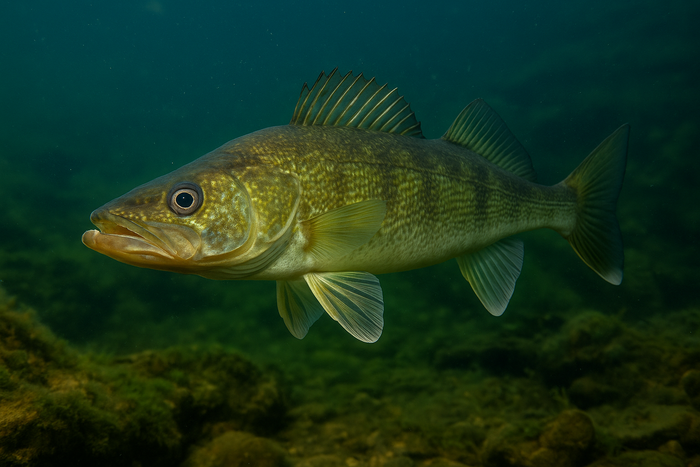
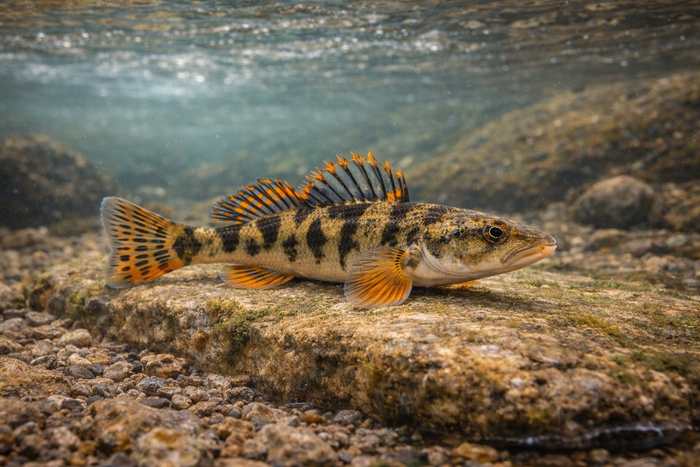
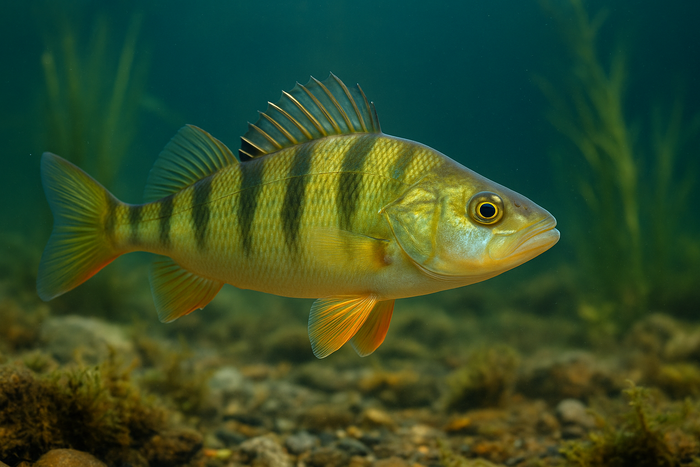
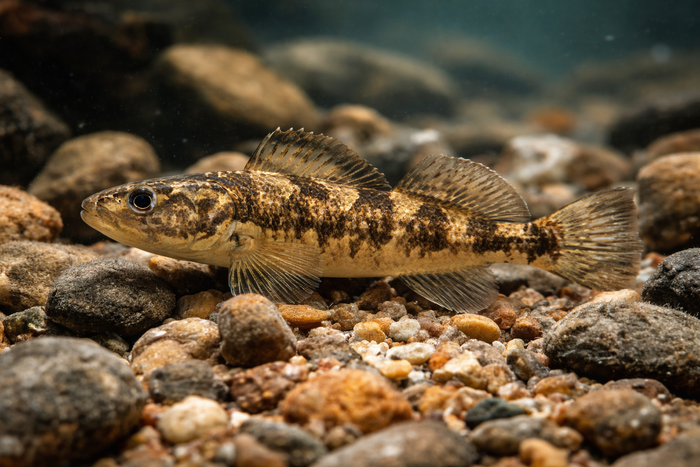
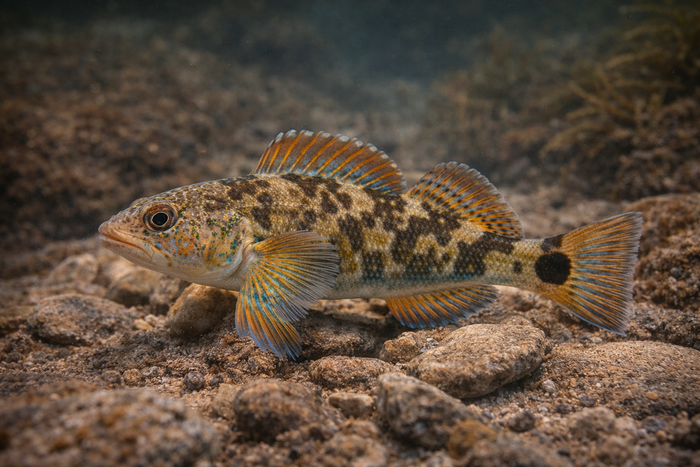
Saugers are often mistaken for walleyes, but they have distinct features that set them apart. Their bodies are more compact and stocky, with a darker, mottled coloration that blends perfectly with the murky river bottoms they prefer. Unlike walleyes, saugers sport distinct black spots on their dorsal fins and a more pronounced spiny dorsal fin. Their eyes, while still reflective and adapted for low light, are smaller and less glassy than those of walleyes.
Behaviorally, saugers are more adapted to turbid waters and strong currents. They thrive in environments where visibility is low, relying on their lateral line system to detect vibrations and movements in the water. This makes them formidable nocturnal hunters, ambushing prey with precision. Their diet is varied but heavily focused on smaller fish, crayfish, and aquatic insects, making them apex predators in their niche.
Habitat & Global Range
Sauger habitat is primarily centered in the central and eastern United States, with populations extending into southern Canada. They prefer large rivers, reservoirs, and lakes with strong currents and sandy or rocky bottoms. Unlike walleyes, which often favor clearer waters, saugers are built for the siltier, more turbulent environments.
You’ll find saugers in the Mississippi River basin, the Missouri River, and tributaries feeding into the Great Lakes. They are well adapted to seasonal changes, moving upstream to spawn in the spring when water temperatures hit the mid-40s to low 50s Fahrenheit. Their spawning grounds are typically gravel bars or rocky riffles, where eggs can settle safely away from sediment.
Saugers are also known to inhabit reservoirs created by dams, where they exploit the altered flow and abundant prey. Their ability to thrive in these modified habitats speaks to their adaptability, but also highlights the importance of maintaining healthy river systems for their survival.
Behavior & Temperament
Saugers are ambush predators with a stealthy approach. They often lie in wait near structure—submerged logs, rock piles, or drop-offs—using the current to bring prey within striking distance. Their hunting style is methodical and efficient, relying on bursts of speed rather than prolonged chases.
They are primarily nocturnal feeders, taking advantage of low light conditions to outmaneuver prey. During the day, saugers tend to stay in deeper, cooler waters, conserving energy and avoiding predators. This behavior makes them a challenge for anglers who must adjust tactics to target them effectively.
In terms of temperament, saugers are solitary hunters. They don’t school like some other fish species, which means encounters with multiple saugers in one spot are usually tied to spawning or feeding hotspots. Their aggressive nature during feeding times contrasts with a more reserved demeanor outside of those periods.
Ecological Importance
Saugers play a crucial role in freshwater ecosystems as mid-level predators. By controlling populations of smaller fish and invertebrates, they help maintain a balanced food web. Their predation on species like minnows and crayfish prevents overpopulation, which can lead to habitat degradation.
They also serve as prey for larger predators, including northern pike, muskellunge, and humans. This dual role places them squarely in the middle of the aquatic food chain, making their health an indicator of ecosystem stability.
In reservoirs and dammed rivers, saugers contribute to the dynamic balance between native and invasive species. Their presence can help curb populations of invasive fish that threaten native biodiversity, making them valuable allies in conservation efforts.
Conservation & Environmental Pressures
Despite their adaptability, saugers face several environmental pressures. Habitat fragmentation due to dam construction and river channelization disrupts their natural spawning migrations. Sedimentation and pollution degrade water quality, affecting both sauger habitat and prey availability.
Overfishing in some regions has also raised concerns, especially where sauger populations overlap with walleye fisheries. Misidentification can lead to unintended harvests, impacting sauger numbers.
Climate change adds another layer of complexity. Altered water temperatures and flow patterns can shift spawning times and reduce suitable habitat. Conservation efforts focus on habitat restoration, improving fish passage around dams, and monitoring populations to ensure sustainable harvest levels.
The FishyAF Take
Saugers are the unsung heroes of North America’s river systems. They don’t have the flashy reputation of walleyes, but their resilience and predatory prowess make them a species worth knowing. For anglers, saugers offer a rewarding challenge—catching one means mastering the art of reading currents, timing your approach, and respecting a fish that thrives in tough conditions.
From an ecological standpoint, saugers are vital players in maintaining freshwater health. Protecting their habitat isn’t just about preserving a single species; it’s about safeguarding entire aquatic communities. If you want to understand river dynamics and predator-prey relationships, start with the sauger. They’re bold, they’re efficient, and they’re a reminder that sometimes the best fish aren’t the flashiest—they’re the ones that keep the ecosystem running smoothly.
Keep sauger habitat clean, respect their role in the food web, and you’ll be rewarded with a fish that’s as fascinating as it is formidable. That’s the kind of fish story FishyAF loves to tell.