Yellow Perch (Perca flavescens): The Striped Powerhouse of North American Freshwaters
The Yellow Perch is more than just a pretty face in the freshwater world. With its unmistakable golden-yellow body and bold vertical stripes, this fish commands attention in lakes and rivers across North America. It’s a staple for anglers and a key player in aquatic ecosystems. If you’re diving into Yellow Perch facts, get ready to meet a fish that’s as resilient as it is striking.
What Makes the Yellow Perch Unique?
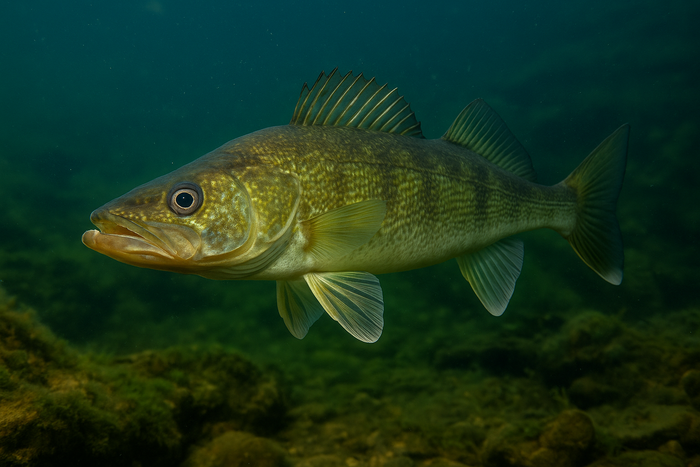
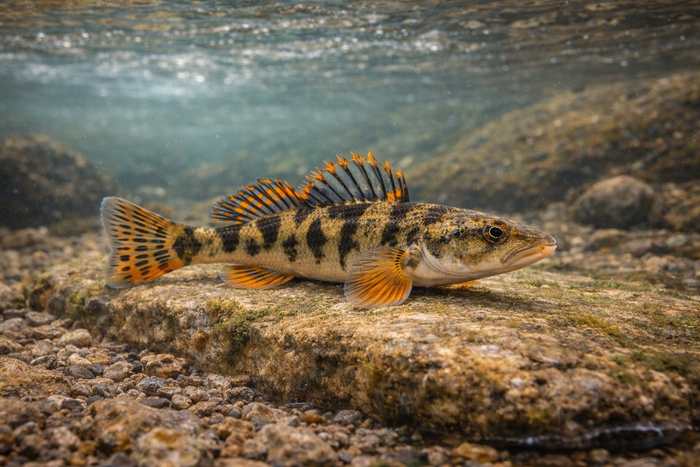
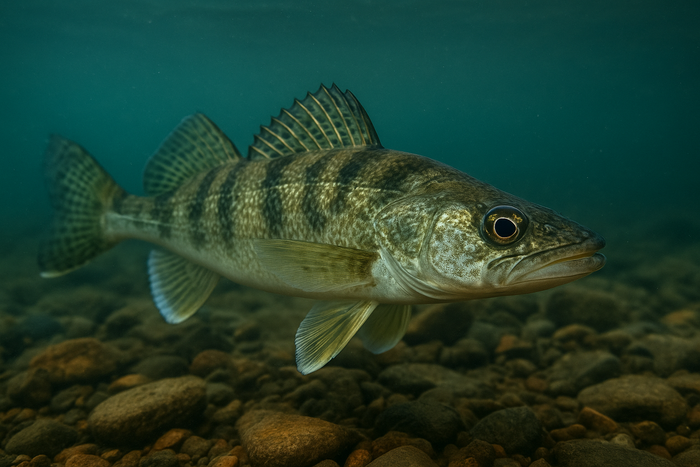
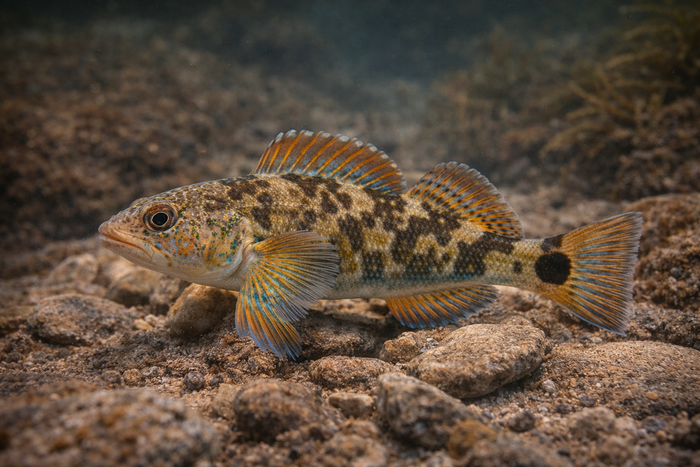
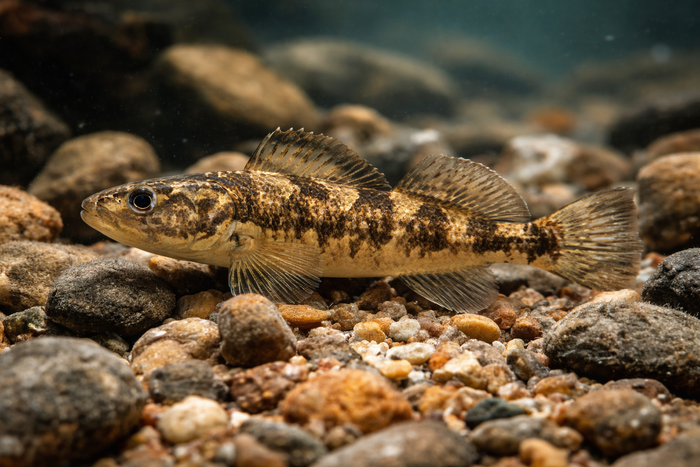
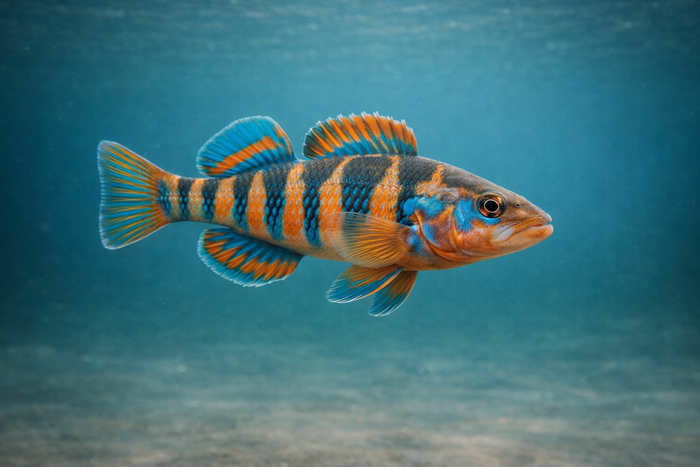
Yellow Perch stand out with their vibrant coloration and distinctive pattern—six to eight dark vertical bars on a yellow to golden body. This isn’t just for show; it’s a clever camouflage tactic among submerged vegetation and rocky substrates. Unlike many freshwater fish, Yellow Perch have a spiny dorsal fin that adds a bit of armor against predators. Their mouth is perfectly designed for a varied diet, allowing them to switch between insects, smaller fish, and crustaceans with ease.
One of the most fascinating traits is their adaptability. Yellow Perch can thrive in a range of water conditions, from clear, cool lakes to murkier rivers. They also have a unique spawning behavior: they lay eggs in long, gelatinous ribbons attached to underwater vegetation, which helps protect the next generation from being swept away or eaten.
Habitat & Global Range
Yellow Perch habitat is primarily freshwater bodies across much of North America, especially the northern United States and Canada. They favor lakes, ponds, and slow-moving rivers with moderate vegetation. The presence of aquatic plants is critical because it provides shelter and breeding grounds. These fish prefer cooler waters but are tough enough to handle seasonal temperature swings.
Their range extends from the Great Lakes basin down to the mid-Atlantic states and westward into parts of the northern Midwest. They’ve also been introduced in some areas outside their native range, sometimes with mixed ecological results. Wherever they are, Yellow Perch tend to establish themselves quickly, becoming a dominant species in their niche.
Behavior & Temperament
Yellow Perch are schooling fish, often found in large groups that move in coordinated patterns. This schooling behavior is a survival tactic, reducing individual risk from predators. They are primarily diurnal feeders, actively hunting during the day for insects, larvae, and small fish. Their feeding strategy is opportunistic, shifting based on availability and season.
Despite their schooling nature, Yellow Perch can be territorial during spawning season. Males become more aggressive, defending nesting sites and competing for females. Outside of breeding, they’re relatively peaceful, which makes them a favorite for anglers targeting panfish.
Ecological Importance
Yellow Perch play a crucial role in freshwater ecosystems. As mid-level predators, they help control populations of insects and smaller fish, maintaining balance in the food web. Their presence influences the abundance and behavior of both prey and predator species, including larger game fish like walleye and northern pike.
They also serve as a vital food source for birds, mammals, and larger fish. This dual role as predator and prey makes them a keystone species in many freshwater habitats. Healthy Yellow Perch populations often indicate a well-functioning aquatic ecosystem.
Conservation & Environmental Pressures
While Yellow Perch are generally abundant, they face pressures from habitat degradation, pollution, and climate change. Eutrophication from agricultural runoff can lead to oxygen depletion in lakes, stressing perch populations. Invasive species sometimes compete for food or introduce diseases, further complicating their survival.
Overfishing is a localized concern, especially in popular recreational areas where perch are prized catches. However, many fisheries manage Yellow Perch stocks with size and bag limits to prevent depletion. Conservation efforts focus on protecting water quality and maintaining natural vegetation in their habitats to support spawning and juvenile development.
The FishyAF Take
Yellow Perch are the unsung heroes of freshwater fishing and ecology. They’re tough, adaptable, and visually striking—qualities that make them a favorite among anglers and biologists alike. Their role in maintaining ecosystem balance is critical, yet they often fly under the radar compared to flashier game fish.
Understanding Yellow Perch facts and habitat needs is essential for anyone serious about freshwater conservation or fishing. Protecting their environments ensures these golden-striped powerhouses continue to thrive and keep our lakes and rivers healthy. Next time you spot a school of Yellow Perch, remember you’re looking at a species that’s as bold in behavior as it is in color.