Yellow Walleye (Sander vitreus): The Golden Predator Lighting Up Freshwater Waters
The Yellow Walleye is not your average freshwater predator. Sporting a striking golden-yellow hue that sets it apart from its more common cousin, the walleye, this fish commands attention both visually and ecologically. Known scientifically as Sander vitreus, the Yellow Walleye is a bold, aggressive hunter with a reputation for sharp eyesight and cunning behavior. For anglers and aquatic ecologists alike, understanding this species unlocks insights into freshwater ecosystems and the delicate balance they maintain.
What Makes the Yellow Walleye Unique?
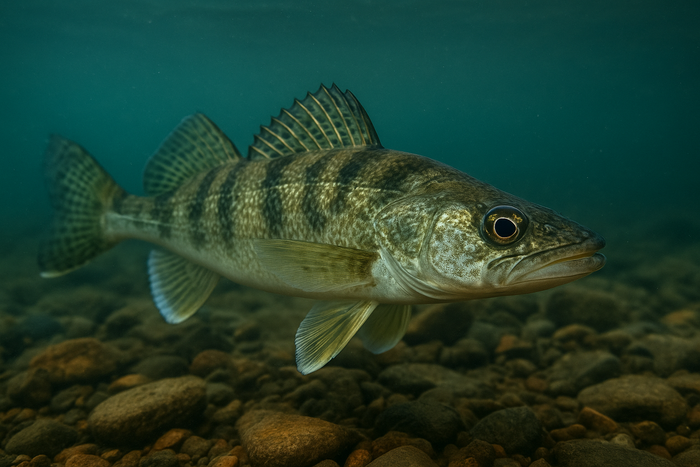
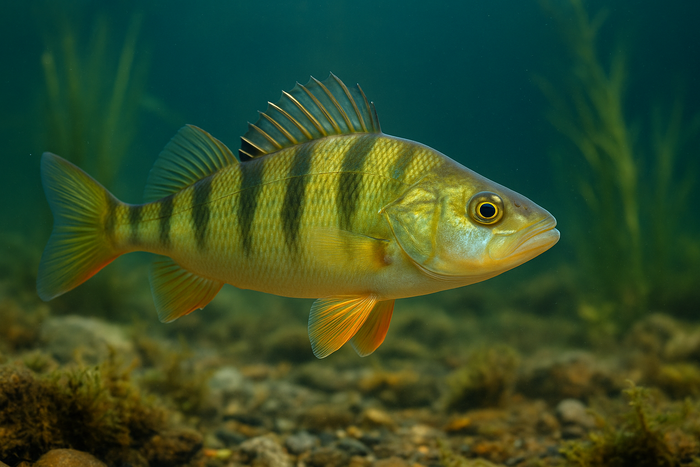
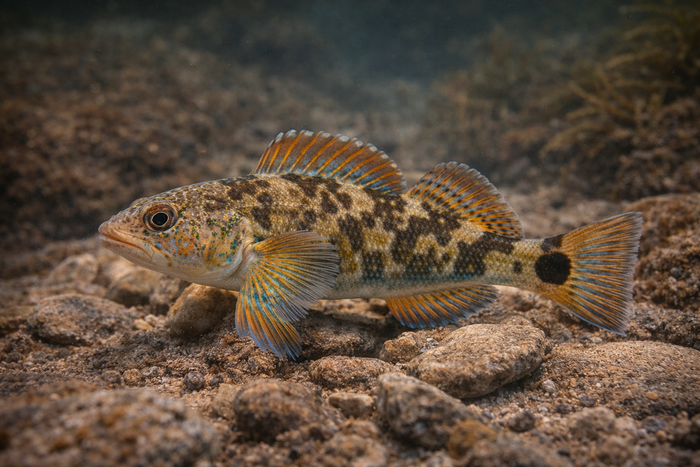
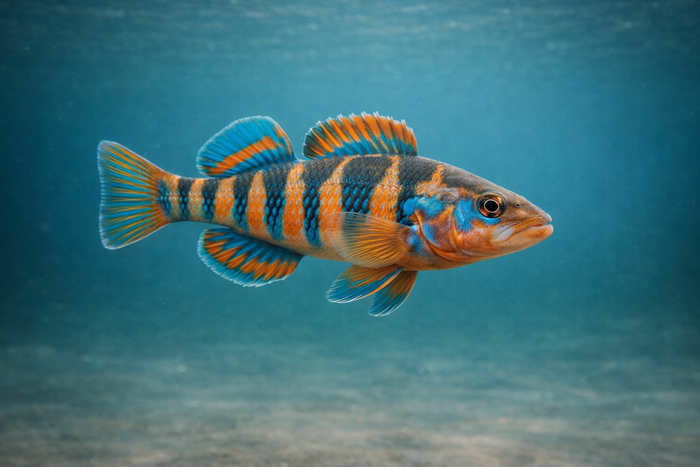
Yellow Walleye stands out primarily because of its vivid coloration. Unlike the typical olive-green or brownish walleye, the Yellow Walleye boasts a bright yellow to golden body, often with a faint pattern of darker markings. This color difference is more than cosmetic; it reflects adaptations to specific habitats and prey availability.
Its eyes are another hallmark feature. Like all walleyes, the Yellow Walleye has a tapetum lucidum, a reflective layer behind the retina that enhances night vision. This adaptation makes it a formidable nocturnal hunter, capable of exploiting low-light conditions where other predators falter.
Physiologically, the Yellow Walleye shares many traits with other walleye species but tends to be slightly more robust, with a deeper body and larger mouth. These features enable it to tackle a wider range of prey sizes, from small baitfish to larger invertebrates.
Habitat & Global Range
Yellow Walleye habitat is primarily freshwater lakes and large rivers in North America, with a strong presence in the central and northern United States and parts of Canada. They prefer clear to moderately turbid waters with rocky or sandy bottoms, often favoring areas with submerged vegetation or structures that provide cover.
Unlike some walleye populations that thrive in murkier waters, Yellow Walleye are typically found in clearer lakes where their golden coloration offers camouflage among sunlit shallows and sandy substrates. They are also known to inhabit cooler waters, often at moderate depths during the day, moving closer to the surface or shallows at night to feed.
Their range overlaps with other walleye species but tends to be more localized to specific watersheds where water chemistry and temperature suit their unique needs. This selective distribution makes them an indicator species for healthy freshwater ecosystems with balanced nutrient levels.
Behavior & Temperament
Yellow Walleye are ambush predators with a reputation for patience and precision. They often lie in wait near structures or vegetation, using their keen eyesight to detect movement before striking with lightning speed. Their diet consists mainly of smaller fish, crayfish, and aquatic insects, but they are opportunistic feeders and will adjust based on prey availability.
They exhibit crepuscular and nocturnal feeding patterns, capitalizing on low light to outmaneuver prey. During daylight hours, they tend to be more reclusive, retreating to deeper waters or shaded areas.
Socially, Yellow Walleye are somewhat solitary outside of spawning season. They do not form large schools but may be found in loose aggregations where food is abundant. Spawning occurs in spring when water temperatures rise, with females depositing eggs over gravel or rocky substrates in shallow areas. Males guard the nests aggressively, showcasing territorial behavior uncommon in many freshwater fish.
Ecological Importance
Yellow Walleye play a critical role in freshwater ecosystems as mid-level predators. Their feeding habits help regulate populations of smaller fish and invertebrates, maintaining a balanced food web. By controlling prey species, they indirectly influence aquatic vegetation and nutrient cycling.
They also serve as prey for larger predators, including northern pike, muskellunge, and birds of prey, linking multiple trophic levels. Their presence indicates a relatively healthy aquatic environment, as they require clean, oxygen-rich waters and stable habitats to thrive.
From a human perspective, Yellow Walleye contribute significantly to recreational fishing economies. Their elusive nature and fighting ability make them prized targets, encouraging conservation efforts and habitat protection.
Conservation & Environmental Pressures
Despite their resilience, Yellow Walleye face several environmental pressures. Habitat degradation from pollution, sedimentation, and shoreline development threatens the clear waters they depend on. Eutrophication, caused by nutrient runoff, can reduce oxygen levels and alter prey availability, impacting their survival.
Overfishing is a concern in some regions, especially where regulations are lax or enforcement is weak. Because Yellow Walleye populations are often localized, heavy fishing pressure can quickly deplete stocks.
Climate change adds another layer of complexity. Rising water temperatures and altered flow regimes can disrupt spawning cycles and habitat suitability. Invasive species, such as zebra mussels and certain predatory fish, compete for resources or directly prey on juvenile walleyes.
Conservation efforts focus on habitat restoration, pollution control, and sustainable fishing practices. Monitoring Yellow Walleye populations provides valuable data for managing freshwater ecosystems and ensuring this golden predator remains a fixture in North American waters.
The FishyAF Take
Yellow Walleye are a shining example of nature’s ability to diversify and adapt. Their bold coloration is more than a flashy trait; it’s a testament to their specialized niche in freshwater habitats. For anglers, they offer a challenging and rewarding quarry that demands respect and skill. For ecologists, they serve as a barometer of ecosystem health and complexity.
If you want to understand the pulse of North American freshwater systems, start with Yellow Walleye facts and habitat. These fish are not just survivors; they are indicators, regulators, and icons of aquatic balance. Protecting them means protecting the waters they inhabit—and by extension, the countless species that depend on those waters.
In short, Yellow Walleye are more than just another fish on the line. They are a golden thread woven into the fabric of freshwater ecology, deserving of attention, respect, and a little bit of awe.