Tessellated Darter (Etheostoma olmstedi): Small Fish, Big Personality, Zero Time for Boring
The Tessellated Darter is a compact freshwater fish that punches well above its weight in character and ecological role. Native to the eastern United States, this species is a staple of clear, cool streams and rivers. Often overlooked because of its size, the Tessellated Darter demands attention with its intricate patterns and feisty behavior. If you’re diving into Tessellated Darter facts, prepare to meet a fish that’s as fascinating as it is functional in its watery world.
What Makes the Tessellated Darter Unique?
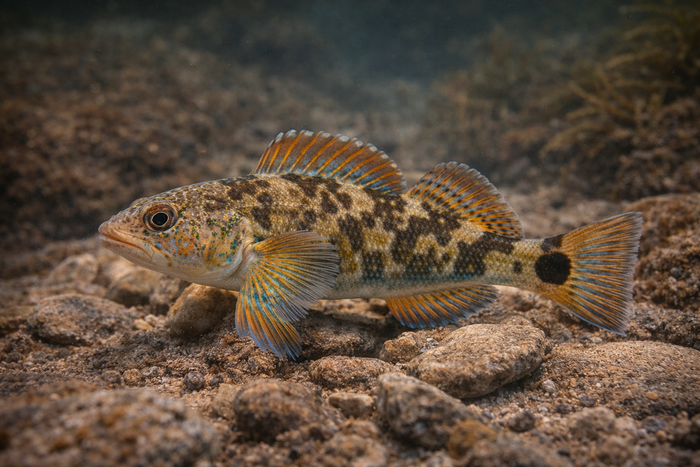
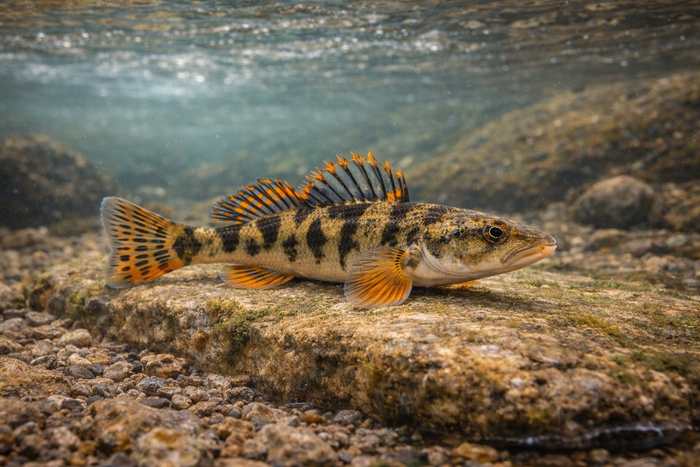
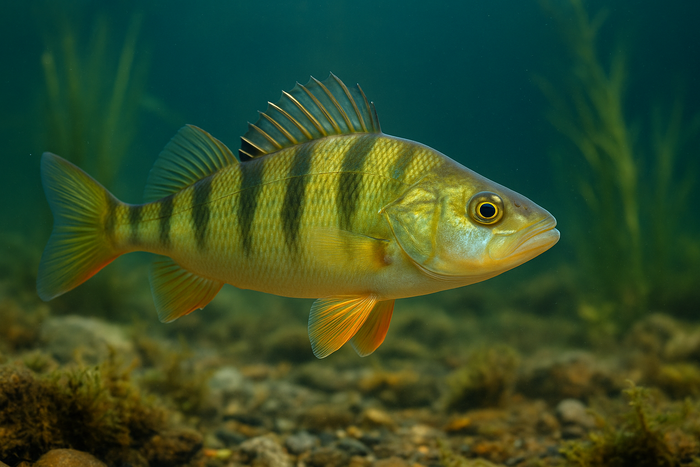
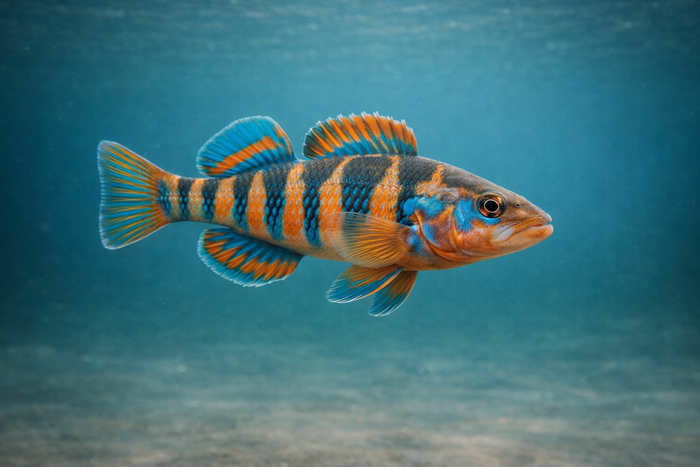
Forget flashy scales or oversized fins. The Tessellated Darter’s claim to fame lies in its mosaic-like patterning—hence the name “tessellated.” Its body is adorned with a series of dark, irregular blotches and spots that create a striking camouflage against the rocky streambed. This isn’t just for show; it’s a survival strategy that helps it avoid predators and sneak up on prey.
Unlike many fish that rely on speed or size, the Tessellated Darter uses stealth and precision. It’s a benthic hunter, sticking close to the substrate, darting quickly to snatch up small invertebrates. Its behavior is a blend of cautious observation and sudden bursts of action, making it a master of its niche.
Habitat & Global Range
The Tessellated Darter calls the freshwater systems of the northeastern United States home, with a range stretching from New York down through parts of New Jersey, Pennsylvania, and into northern Maryland. This species favors clear, well-oxygenated streams and small rivers with moderate to swift currents.
Tessellated Darter habitat is characterized by rocky or gravelly bottoms where the fish can hide and hunt effectively. They avoid silty or heavily vegetated waters, which interfere with their need for clean substrates and clear water. This preference for pristine conditions makes them excellent indicators of stream health.
Behavior & Temperament
Don’t expect a social butterfly here. Tessellated Darters are generally solitary or found in loose aggregations rather than tight schools. They stake out small territories on the streambed, defending them against intruders with quick dashes and displays.
During spawning season, males become more territorial and develop brighter coloration to attract females. Their courtship involves a series of subtle movements and vibrations, culminating in the female depositing eggs on the underside of rocks. Parental care is minimal; once the eggs are laid, the adults move on.
Their temperament is bold for their size. They’re not shy about darting around rocks or investigating anything new in their environment. This makes them a favorite among anglers and biologists who appreciate their spunky nature and ecological role.
Ecological Importance
Tessellated Darters are more than just small fish with cool patterns. They play a critical role in freshwater ecosystems as both predator and prey. By feeding on aquatic insects and larvae, they help regulate invertebrate populations, maintaining a balanced food web.
At the same time, they serve as a vital food source for larger fish, birds, and other wildlife. Their presence indicates a healthy stream ecosystem, making them a natural barometer for environmental quality.
Moreover, their benthic lifestyle contributes to nutrient cycling. As they forage and move along the substrate, they help aerate the streambed and redistribute organic material, supporting overall stream health.
Conservation & Environmental Pressures
Despite their adaptability, Tessellated Darters face mounting challenges. Habitat degradation from pollution, sedimentation, and dam construction threatens their preferred environments. Urban runoff and agricultural chemicals can cloud waters and disrupt the delicate balance they require.
Climate change adds another layer of stress by altering stream temperatures and flow patterns. Since Tessellated Darters depend on cool, oxygen-rich waters, even slight shifts can impact their survival.
Conservation efforts focus on protecting and restoring stream habitats, improving water quality, and maintaining natural flow regimes. Monitoring Tessellated Darter populations provides valuable insight into the success of these initiatives and the overall health of freshwater ecosystems.
The FishyAF Take
The Tessellated Darter isn’t going to win any beauty contests, but it doesn’t need to. Its intricate patterning, sharp behavior, and ecological significance make it a standout species in freshwater environments. This fish embodies the idea that size doesn’t dictate importance or personality.
If you’re serious about understanding stream ecosystems or just want to appreciate a fish that’s both tough and subtle, the Tessellated Darter deserves your attention. It’s a reminder that even the smallest players can have outsized roles in nature’s complex game. Keep an eye on the Tessellated Darter habitat—what happens there tells a bigger story about water quality and ecosystem health. In the world of freshwater fish, this little darter is a bold, memorable character you won’t want to ignore.