Creek Shiner (Luxilus chrysocephalus): Small Fish, Big Personality in Every Stream
The Creek Shiner is not your average minnow. This flashy little freshwater fish packs a punch with its striking appearance and dynamic behavior. Found darting through clear, fast-flowing creeks and rivers, the Creek Shiner is a staple of North American freshwater ecosystems. Its vibrant colors and bold patterns make it a standout among the crowd, and its role in the aquatic food web is anything but minor. If you want to know what makes this fish tick, where it thrives, and why it matters, you’ve come to the right place.
What Makes the Creek Shiner Unique?
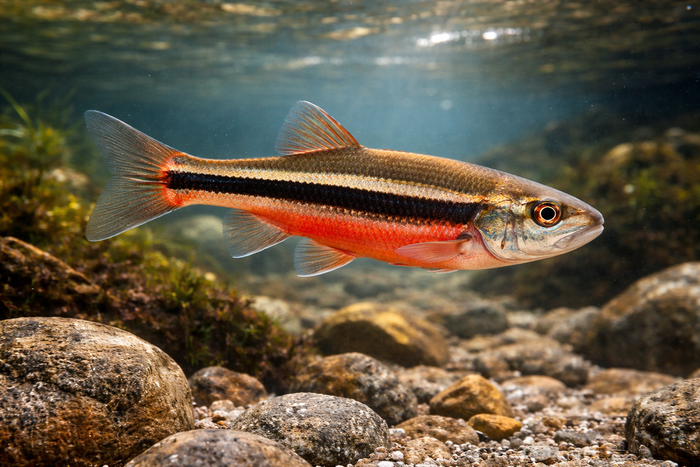
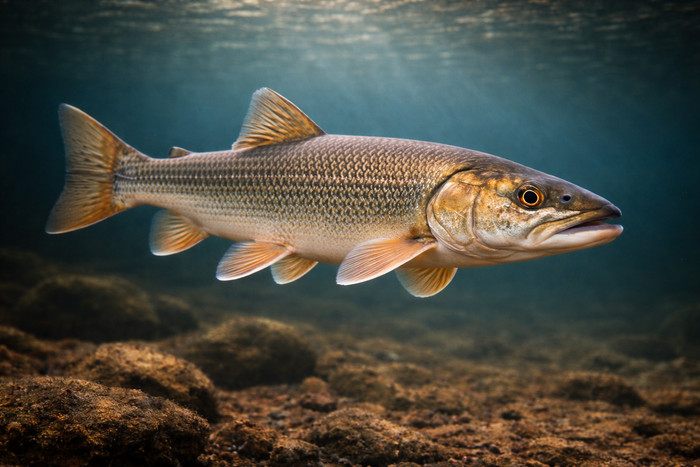
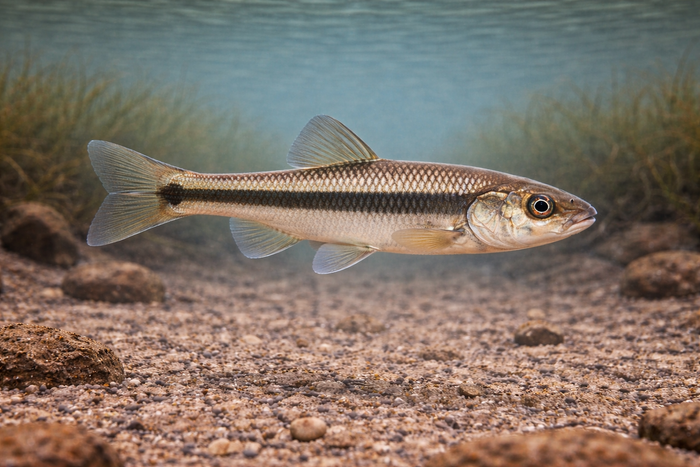
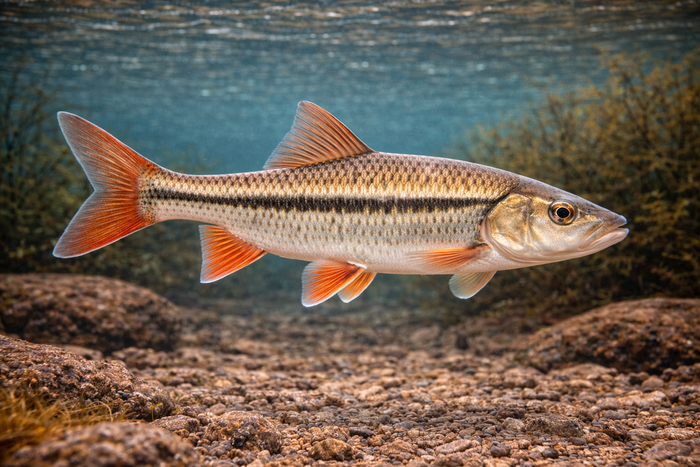
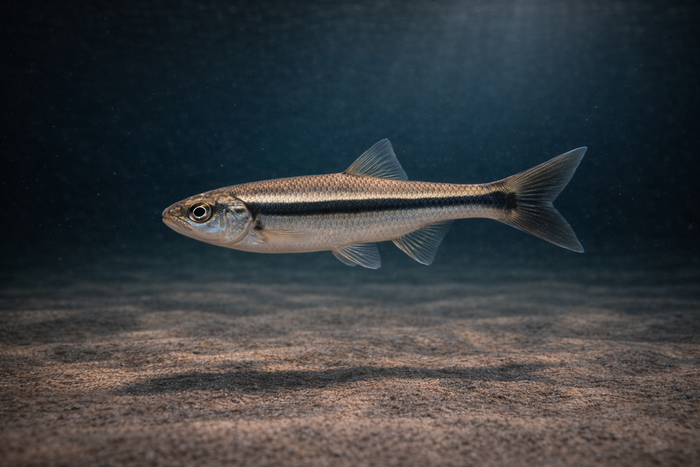
The Creek Shiner’s standout feature is its dazzling appearance. Sporting a golden-yellow head that practically glows, paired with a body marked by iridescent scales and distinct dark lateral stripes, this fish is a visual knockout. Unlike many of its more drab minnow relatives, the Creek Shiner’s coloration isn’t just for show—it plays a role in mating displays and territorial disputes.
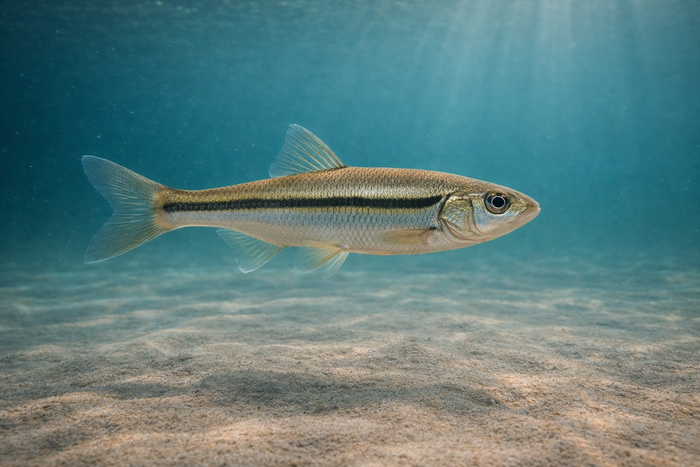
Beyond looks, the Creek Shiner is a fast, agile swimmer. Its streamlined body and forked tail allow it to zip through riffles and currents with ease. This speed and agility help it evade predators and chase down tiny invertebrates. Unlike some minnows that stick to the bottom or hide in vegetation, Creek Shiners are often seen schooling in midwater, showing off a social side that’s both strategic and fascinating.
Habitat & Global Range
Creek Shiner habitat is all about clean, oxygen-rich water with a moderate to swift current. They prefer shallow streams and small rivers with gravel or rocky bottoms. These conditions provide the perfect environment for feeding and spawning. You won’t find them lounging in muddy or stagnant waters; they demand clarity and flow.
Geographically, Creek Shiners are native to the central and eastern United States. Their range stretches from the Great Lakes region down through the Mississippi River basin and into parts of the southern Appalachians. They’re adaptable within this range but always stick to their preferred habitat conditions. If you’re fishing or sampling in clear creeks with riffles and pools, chances are you’ll spot these guys darting around.
Behavior & Temperament
Creek Shiners are active and social. They often form schools, which is a smart move for avoiding predators and increasing foraging efficiency. Their schooling behavior also influences their breeding, as males become more vibrant and territorial during spawning season.
Speaking of breeding, Creek Shiners are nest builders. Males create and guard nests in gravel beds, fiercely defending their territory from rivals. This territorial aggression is a sharp contrast to their otherwise social schooling behavior. Outside of breeding, they’re relatively peaceful and focused on survival.
Their diet consists mainly of aquatic insects, larvae, and small crustaceans. They’re opportunistic feeders, picking off whatever tiny prey they can find in the current. Their feeding habits help control insect populations, making them important players in stream ecosystems.
Ecological Importance
Don’t underestimate the Creek Shiner’s role in freshwater ecosystems. They serve as a crucial link between lower and higher trophic levels. By consuming aquatic insects, they help regulate populations that could otherwise explode and disrupt the balance. At the same time, they’re a key food source for larger predatory fish, birds, and other wildlife.
Their presence is also an indicator of stream health. Because they require clean, well-oxygenated water, a thriving Creek Shiner population signals a healthy aquatic environment. Conversely, their decline can be an early warning sign of pollution or habitat degradation.
Conservation & Environmental Pressures
While the Creek Shiner isn’t currently listed as endangered or threatened, it faces challenges that could impact its populations. Habitat loss and degradation top the list. Sedimentation from agriculture, urban runoff, and dam construction can alter the clear, flowing waters they need. Pollution from chemicals and waste further threatens water quality.
Climate change adds another layer of complexity. Altered precipitation patterns and increased water temperatures can disrupt spawning cycles and reduce suitable habitat. Invasive species also pose a risk by competing for food and space.
Conservation efforts focused on protecting stream habitats, improving water quality, and maintaining natural flow regimes are essential to keeping Creek Shiner populations healthy. Monitoring their numbers provides valuable data for managing freshwater ecosystems.
The FishyAF Take
The Creek Shiner is a small fish with a big role and an even bigger personality. Its flashy colors and bold behavior make it a fascinating subject for anglers, biologists, and nature enthusiasts alike. More than just eye candy, it’s a vital cog in the freshwater machine, helping maintain balance and signaling ecosystem health.
If you care about clean streams and vibrant aquatic life, the Creek Shiner deserves your attention. Protecting its habitat means protecting countless other species and the overall integrity of freshwater systems. Next time you’re near a clear, flowing creek, keep an eye out for these golden-headed speedsters. They’re proof that even the smallest fish can make a splash in the ecosystem.
For anyone diving into Creek Shiner facts or exploring Creek Shiner habitat, remember this: they’re not just minnows. They’re a testament to what healthy, dynamic freshwater environments look like—and why those environments are worth fighting for.