Northern Redbelly Dace (Chrosomus eos): Tiny Fish, Big Personality, and a Red Belly That Demands Attention
The Northern Redbelly Dace is not your average minnow. This small freshwater fish packs a punch with its vivid red belly and striking patterns, making it a standout in streams and rivers across North America. Beyond its flashy looks, it plays a crucial role in freshwater ecosystems and offers fascinating insights into fish behavior and adaptation. If you want to know Northern Redbelly Dace facts that go beyond the surface, you’re in the right place.
What Makes the Northern Redbelly Dace Unique?
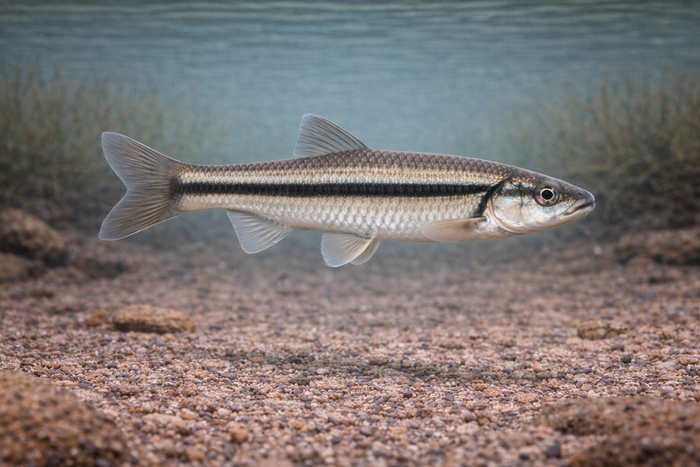
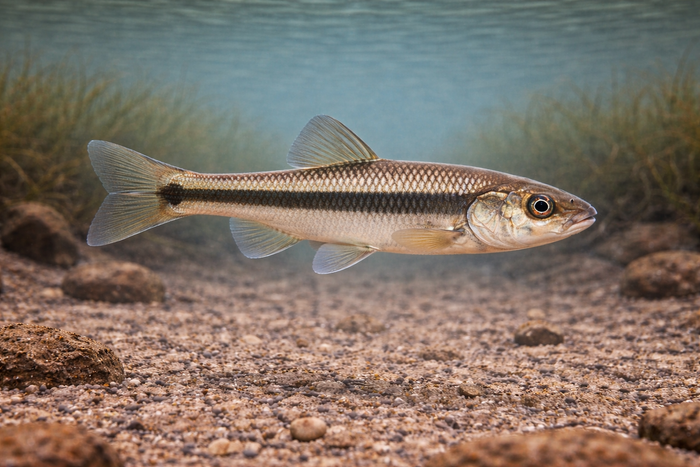
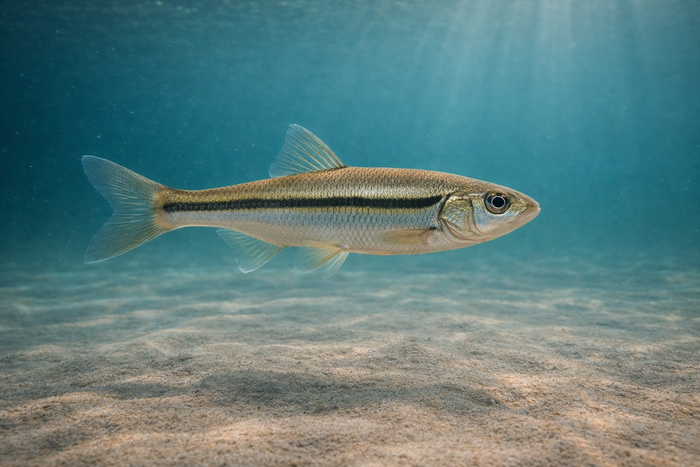
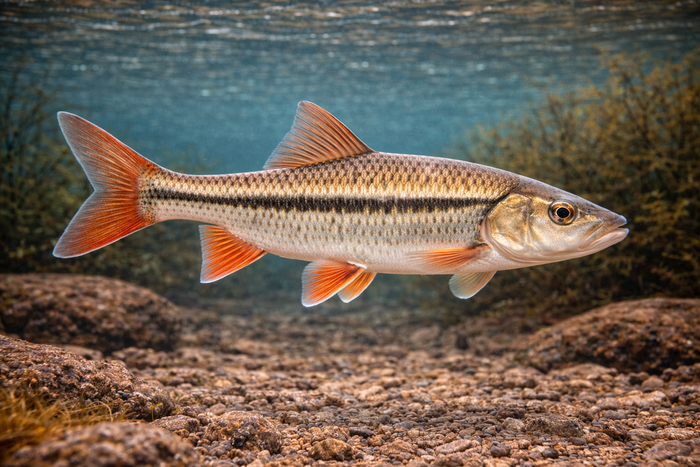
Forget blending in. The Northern Redbelly Dace is a show-off with purpose. Males flaunt a bright red belly during breeding season, a vivid signal that’s impossible to ignore. This coloration isn’t just for show; it’s a key part of their mating ritual, helping them attract females and assert dominance over rivals. Their bodies are adorned with iridescent scales that shimmer with blues and greens, adding to their visual appeal.
But it’s not just looks. These fish have a remarkable ability to thrive in cold, clear waters where oxygen levels fluctuate. Their physiology is adapted to handle these conditions, making them resilient players in their aquatic neighborhoods. They’re also known for their schooling behavior, which provides safety in numbers and enhances their foraging efficiency.
Habitat & Global Range
Northern Redbelly Dace are native to the cool, clear freshwater systems of Canada and the northern United States. Their preferred Northern Redbelly Dace habitat includes small streams, creeks, and the shallow edges of lakes with abundant vegetation. They thrive in waters with moderate current and clean, well-oxygenated conditions.
Their range stretches from the Great Lakes basin through parts of New England and into the upper Midwest. They’re not found in stagnant or heavily polluted waters, which makes them reliable indicators of environmental health. If you spot a Northern Redbelly Dace, you can bet the water quality is decent.
Behavior & Temperament
These fish are social creatures, often forming tight schools that dart through the water with synchronized precision. This schooling behavior reduces the risk of predation and improves their ability to find food. They’re primarily insectivores, snacking on aquatic insects, larvae, and small invertebrates, but they’ll also nibble on algae and plant matter when necessary.
During breeding season, males get territorial and aggressive, defending prime nesting spots under rocks or submerged vegetation. Their bright red bellies flare up as a warning and an invitation. Females choose mates based on the intensity of this coloration and the quality of the territory.
Northern Redbelly Dace are diurnal, most active during daylight hours when their prey is abundant. They exhibit quick, darting movements to avoid predators, which include larger fish and birds.
Ecological Importance
Don’t underestimate the Northern Redbelly Dace’s role in freshwater ecosystems. They serve as both predator and prey, maintaining a delicate balance. By feeding on insect larvae, they help control populations of species that could otherwise become pests or disrupt the aquatic environment.
Their presence also supports larger predators, making them a vital link in the food web. Additionally, their sensitivity to water quality makes them excellent bioindicators. Changes in their population can signal shifts in ecosystem health, alerting conservationists to potential problems before they escalate.
Conservation & Environmental Pressures
While not currently endangered, the Northern Redbelly Dace faces threats from habitat degradation, pollution, and climate change. Urban development and agriculture introduce sediments and chemicals that cloud waters and reduce oxygen levels, conditions these fish struggle to survive in.
Invasive species also pose a risk by competing for food and habitat or directly preying on them. Climate change threatens to alter water temperatures and flow patterns, potentially shrinking suitable Northern Redbelly Dace habitat.
Conservation efforts focus on protecting clean waterways, restoring riparian vegetation, and monitoring populations to ensure this species remains a vibrant part of freshwater communities.
The FishyAF Take
The Northern Redbelly Dace is a prime example of how small fish can have outsized ecological and aesthetic value. Its bold coloration and dynamic behavior make it impossible to ignore, while its role in freshwater ecosystems underscores the complexity of aquatic life. For anglers, biologists, or anyone fascinated by fish, understanding Northern Redbelly Dace facts opens a window into the subtle interplay of nature’s design.
If you want to see a fish that combines flash with function, resilience with vulnerability, the Northern Redbelly Dace is your go-to. Protecting its habitat means preserving the integrity of entire freshwater systems. So next time you’re near a clear northern stream, keep an eye out for that unmistakable red belly—it’s a sign that the water is alive and well.