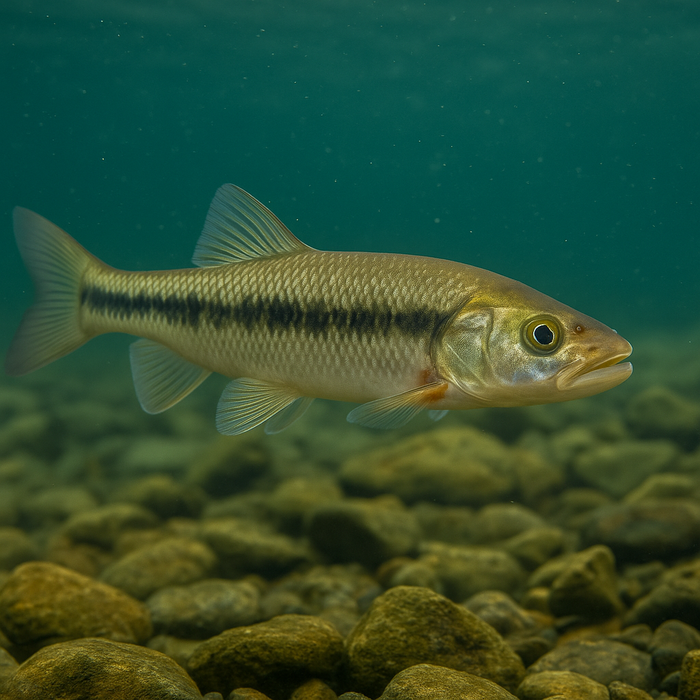
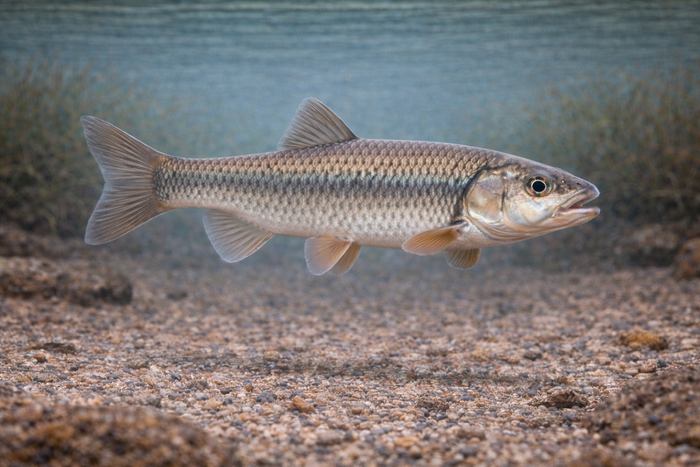
Northern Pike Minnow (Ptychocheilus oregonensis): The Underrated Predator of Western Waters
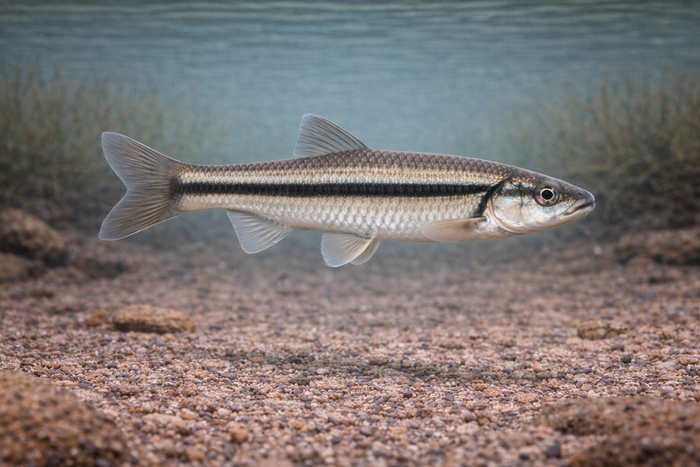
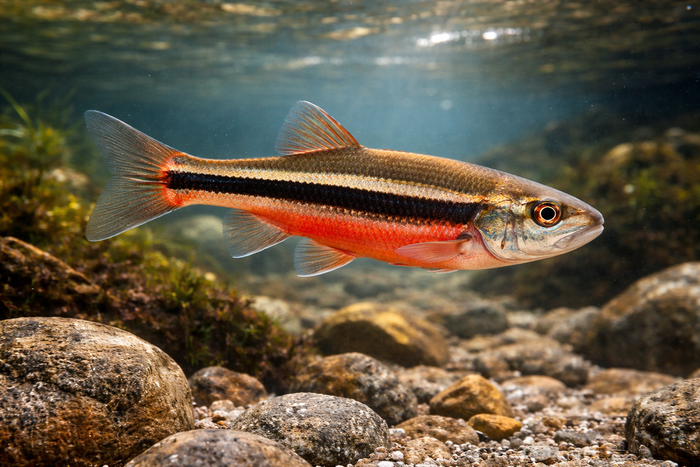
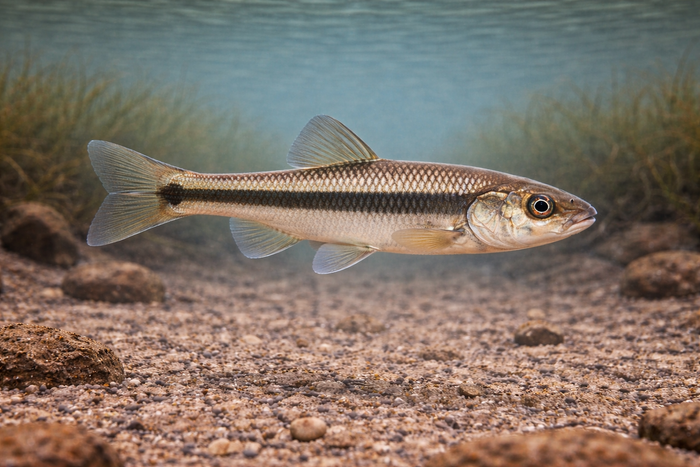
Meet the Northern Pike Minnow, a fish that flies under the radar but packs a punch in the freshwater ecosystems of the Pacific Northwest. Despite its unassuming name, this species is no ordinary minnow. It’s a robust predator with a sleek, torpedo-shaped body and a mouth full of sharp teeth, earning it a reputation as a formidable hunter in its native streams and rivers. If you’re diving into Northern Pike Minnow facts, get ready to discover a fish that’s as fascinating as it is vital to its environment.
What Makes the Northern Pike Minnow Unique?
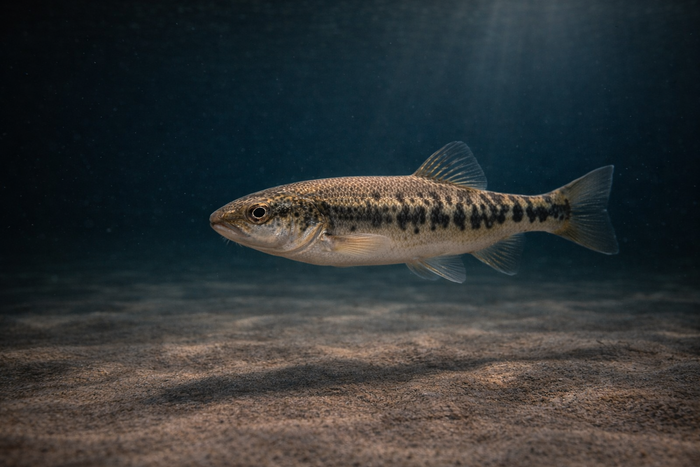
The Northern Pike Minnow stands out for its blend of size, speed, and predatory prowess. Unlike typical minnows, it can grow impressively large—up to 20 inches or more—making it a top contender among freshwater predators in its range. Its elongated body and pointed snout resemble that of a pike, which is how it got its common name, but it’s not closely related to true pikes. This fish is built for ambush hunting, using bursts of speed to catch smaller fish and aquatic insects. Its sharp teeth and powerful jaws are designed to grasp slippery prey, setting it apart from other cyprinids that tend to be more passive feeders.
Habitat & Global Range
Northern Pike Minnow habitat is primarily confined to the western United States, especially the Columbia River basin and tributaries in Oregon, Washington, Idaho, and parts of northern California. These fish prefer cool, clear rivers and streams with moderate to fast currents. They thrive in habitats with gravel or rocky bottoms, which provide excellent spawning grounds and cover. The species is adapted to a range of elevations but generally avoids stagnant or heavily polluted waters. Their presence in these freshwater systems is a good indicator of water quality and ecosystem health.
Behavior & Temperament
This species is a classic ambush predator. It spends much of its time lurking near the bottom or hiding behind submerged structures, waiting for the perfect moment to strike. Northern Pike Minnows are solitary hunters but can be found in loose groups during spawning seasons. They are territorial and aggressive when defending their space or competing for food. Unlike many minnows, they don’t school tightly, which reflects their predatory lifestyle. Their feeding habits include snapping up smaller fish, aquatic larvae, and invertebrates, making them versatile and opportunistic feeders.
Ecological Importance
Northern Pike Minnows play a crucial role in maintaining the balance of their freshwater ecosystems. By preying on smaller fish and invertebrates, they help regulate populations that could otherwise explode and disrupt the food web. Their predation pressure encourages healthy fish communities by weeding out weaker or sick individuals, indirectly supporting biodiversity. Additionally, they serve as prey for larger predators like birds of prey and larger fish species, linking multiple trophic levels. Understanding Northern Pike Minnow facts is key to appreciating their role as both predator and prey in complex aquatic environments.
Conservation & Environmental Pressures
Despite their adaptability, Northern Pike Minnows face several environmental challenges. Habitat degradation from dam construction, water pollution, and sedimentation threatens their spawning grounds and reduces water quality. Invasive species and altered flow regimes also disrupt their natural behaviors and food availability. While not currently listed as endangered, localized population declines have been noted, especially in heavily modified river systems. Conservation efforts focus on habitat restoration, improving water quality, and ensuring connectivity between spawning and feeding areas. Protecting Northern Pike Minnow habitat is essential not just for this species but for the overall health of western freshwater ecosystems.
The FishyAF Take
The Northern Pike Minnow deserves more respect than it gets. It’s not just a “minnow” but a key predator that keeps freshwater ecosystems in check. Its sleek design, aggressive hunting style, and ecological role make it a fascinating subject for anglers, biologists, and conservationists alike. If you want to understand the dynamics of western river systems, you can’t ignore this fish. Northern Pike Minnow facts reveal a species that’s tough, adaptable, and essential—a true heavyweight in a world of small fish. Keep an eye out for it next time you’re near a clear, flowing stream. It might just surprise you.