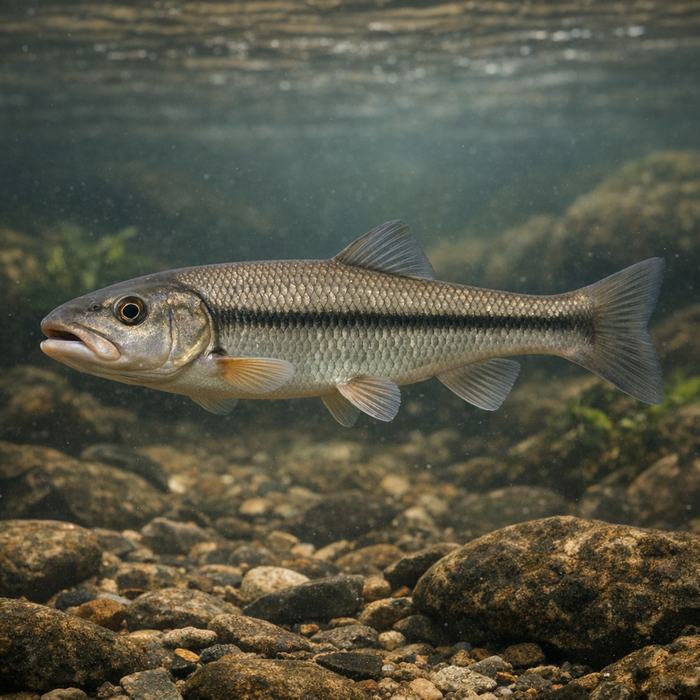
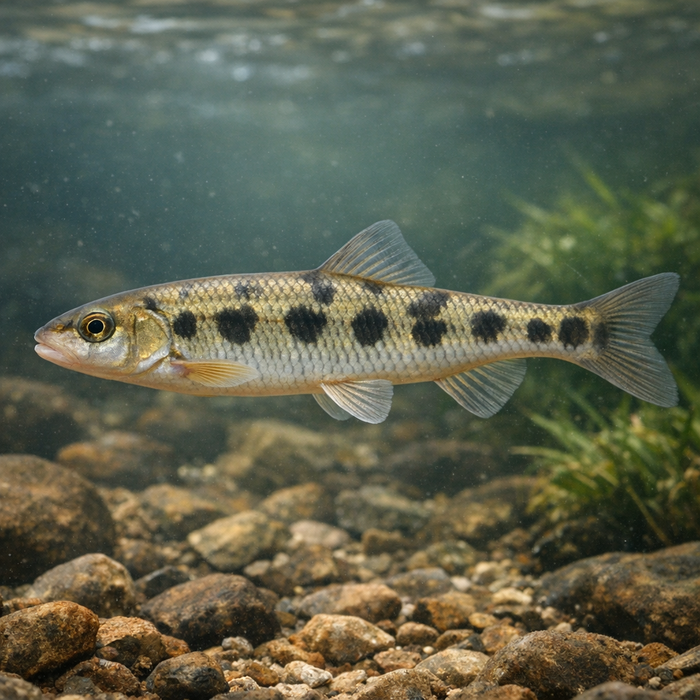
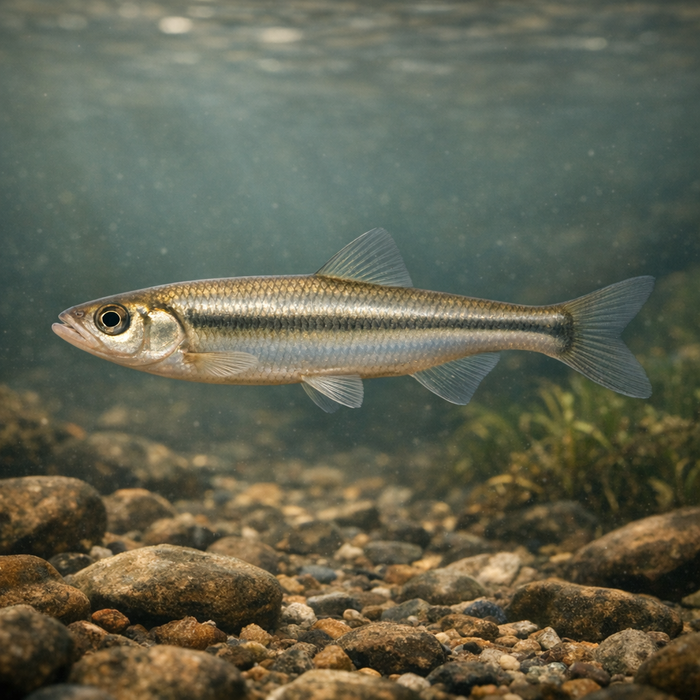
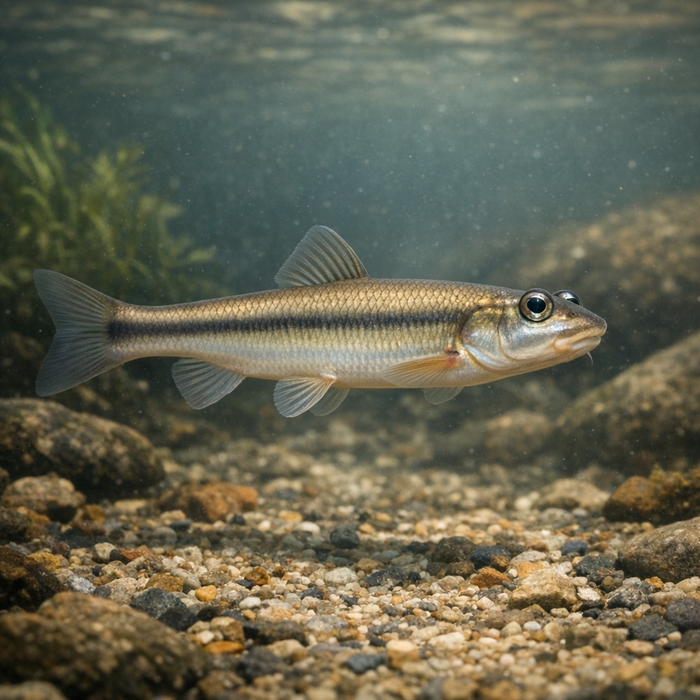
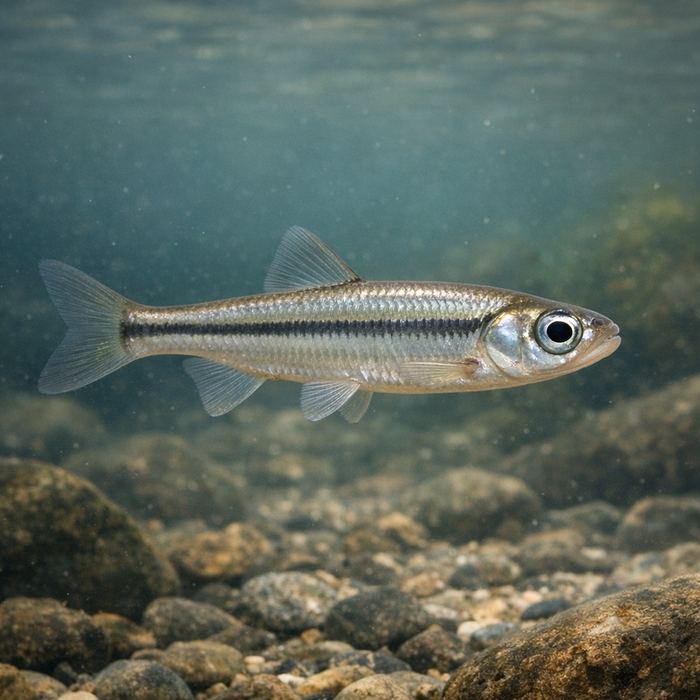
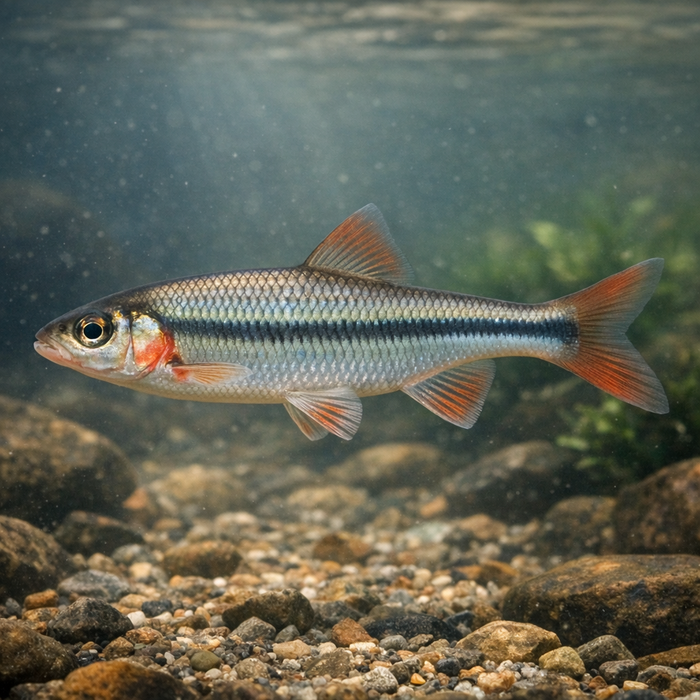
Bedrock Shiner (Notropis rupestris): A Bold, Memorable Hook LineIntroductionIf you're the kind of angler who geeks out on skinny water and pinpoint drifts, the bedrock shiner is your spirit fish. It's small, fast, and laser-committed to life on bare slab limestone. Forget drag-screaming runs; this is micro finesse in water so shallow your laces show. Hidden in plain sight across specific Appalachian drainages, the bedrock shiner rewards anyone willing to trade big hooks and heavy line for tiny wire and a featherweight touch.What Makes the Bedrock shiner Unique?Start with the name. Notropis rupestris isn't just a label; rupestris literally means "of the rocks." The bedrock shiner isn't dabbling in gravel bars or lounging in back eddies. It hugs exposed rock sheets where current accelerates and cover is a hairline crack. Males develop sandpapery breeding tubercles and sharpen up their chrome during spawning, turning into miniature brawlers that joust in inches of water. The fish is built for speed and precision in a world where a misplaced leaf stalk can shove a school downstream.Habitat & Global RangeThe bedrock shiner's entire playbook is written on clean, flat rock. Think shallow riffles and fast runs sliding over scoured limestone or sandstone shelves. That's the classic bedrock shiner habitat, and it's not a casual preference. This fish keys so hard on bedrock that you can almost map its distribution by tracing continuous slabs and ledges. Its range centers on select tributaries within the Cumberland River system of Kentucky and Tennessee, with local abundance dictated by current, water clarity, and bedrock continuity. You'll spot them schooling tight along micro-seams, stacking where a shelf drops a half-inch and the flow lightens just enough to breathe.Behavior & TemperamentBedrock shiners operate like a single nervous system. The school flashes, tenses, and bolts as one, then snaps back into formation along a seam. They feed and stage within a hand's breadth of rock, sliding in and out of cracks and barely-there depressions. During late spring into early summer, dawn windows kick off spawning drama: males jostle face-first, and the entire scene runs on tight bursts of speed. Winter pushes them to slightly calmer lies, but they don't wander far. You might call them high-strung, but really they're tuned to fast water and thin margins.Ecological ImportanceSmall doesn't mean small-time. The bedrock shiner slides energy through the riffle, converting drifting invertebrates into calories for everything bigger and hungrier upstream. Its schooling adds stability to the food web, and its strict love of clean bedrock makes it a sneaky-good indicator of stream health. When the slabs fuzz up with algae, get buried in silt, or turn chocolate after every rain, the bedrock shiner's numbers tell the tale before the flashy gamefish do. Healthy shiner schools signal proper flow, good clarity, and intact geology.Conservation & Environmental PressuresThe usual freshwater villains apply: sedimentation that smothers rock, nutrient loads that glaze it in slime, and altered flows that mute riffles into lifeless sheets. Channelization, poorly designed road crossings, and low-head dams can slice up habitat into frustrating fragments. The bedrock shiner isn't crying extinction in most places, but as a bedrock specialist, it's sensitive to any insult that roughs up its clean, fast-water world. Keep the slab clean, the water moving, and the margins sharp, and this little minnow thrives.The FishyAF TakeThe bedrock shiner is the micro angler's litmus test. You can't muscle this fish. You read light, seam, and texture, then place a speck of bait where current says yes. You'll miss way more than you stick, and that's the point. If you want Bedrock shiner facts, here's the best one: it turns geology into a fishing pattern. Learn the rock, land the fish. We're here for that. It's minimalist, precise, and honest. And when a polished male lights up over the slab at dawn, you'll never look at "just a minnow" the same way again.