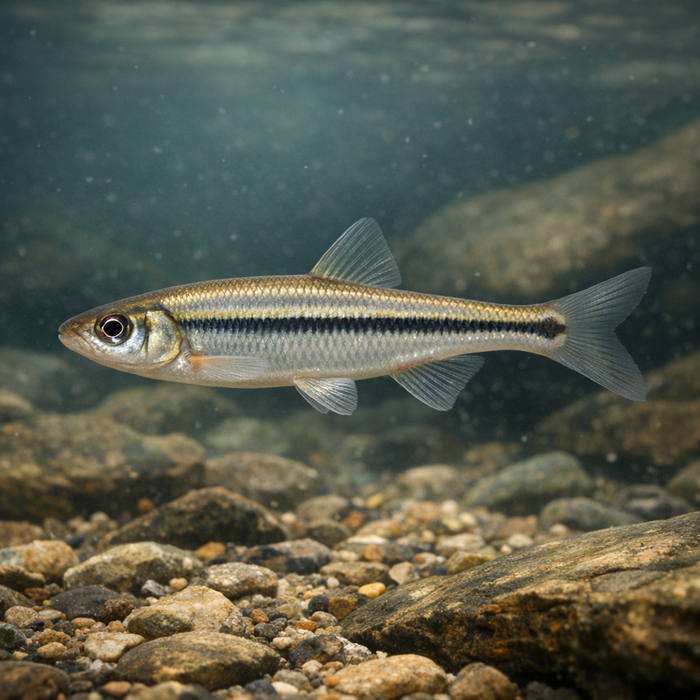
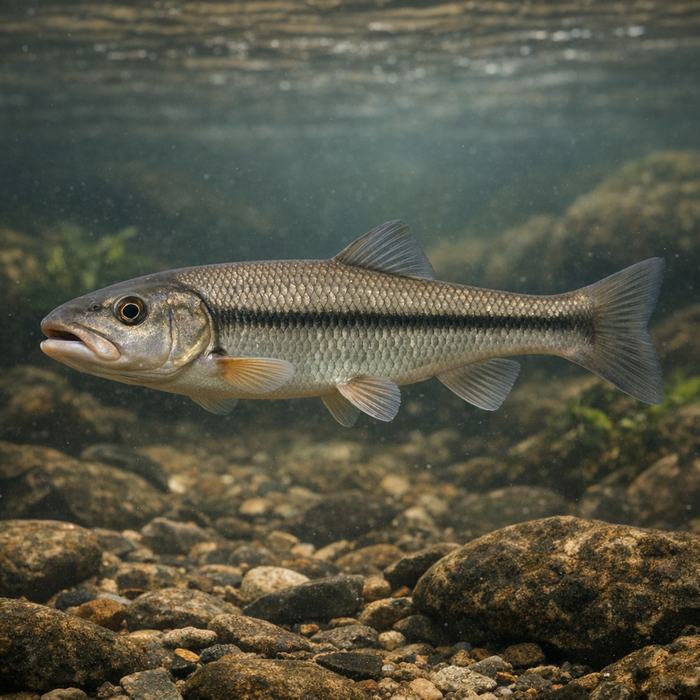
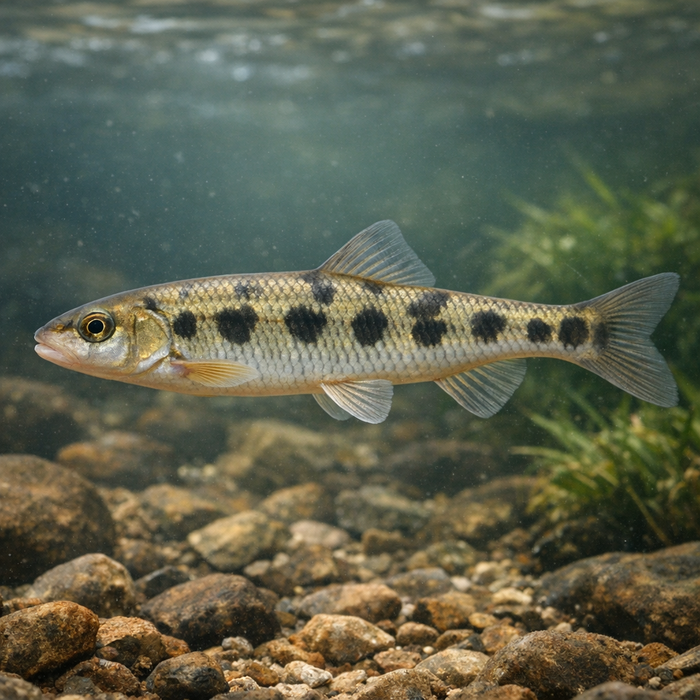
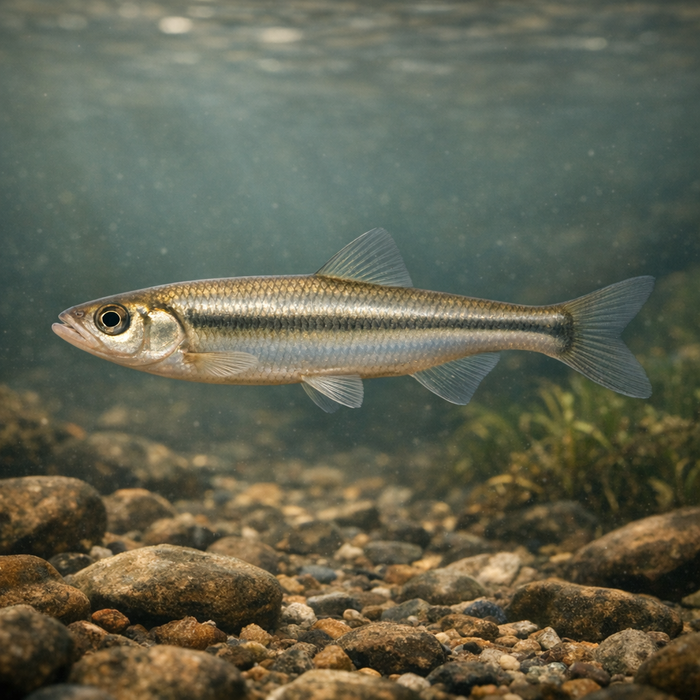
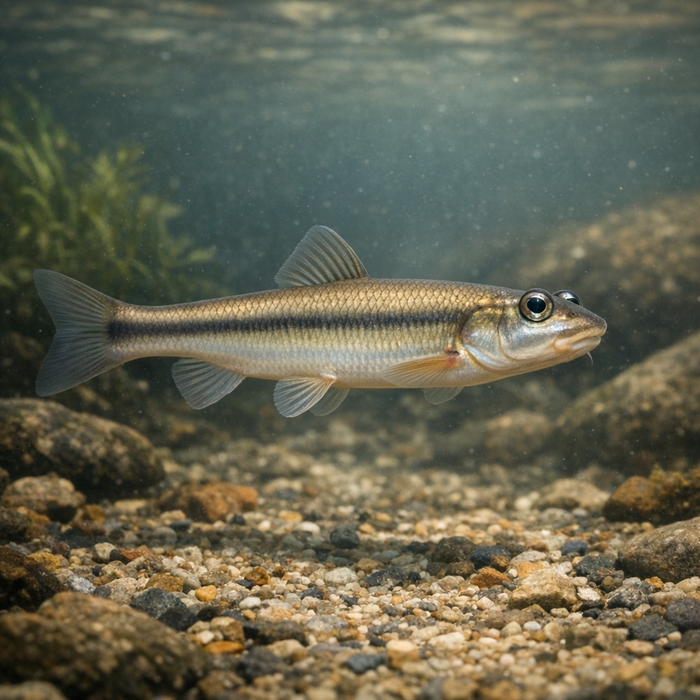
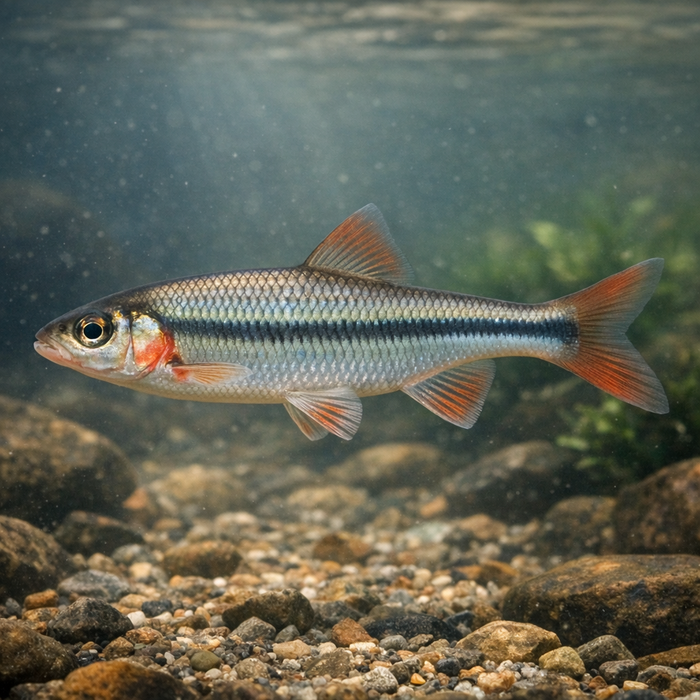
Telescope Shiner (Notropis telescopus): A Bold, Memorable Hook LineIntroductionIf you like your fish small, flashy, and turbocharged by current, the telescope shiner is your kind of chaos. This slender minnow packs oversized, high-set eyes, a silvery sheen, and a knack for holding in riffles where bigger fish burn calories just trying to stand up straight. It's a poster child for clean, fast water and a gateway drug to microfishing. Oh, and if you're chasing Telescope shiner facts, you're about to get the good stuff without the textbook yawn.What Makes the Telescope shiner Unique?Start with the optics. Those big, "telescope" eyes aren't just for show; they help the fish track drifting invertebrates in bright, broken light and tumbling flow. Add in a schooling mindset and a quick-twitch, dart-and-brake swim style, and you've got a fish built for pockets, seams, and tailouts. During spawning season, males turn on some classy color: warm amber fins and a faint bronze wash along the flanks. It's subtle compared to some minnows, but in clear water it pops.Habitat & Global RangeThis is a cool to warm-water stream specialist concentrated in the Tennessee and Cumberland River drainages of the Southeast and adjacent Midwest. Think clear, rocky creeks, small rivers, and gradient-riffles, runs, and bubbly tailouts with cobble or gravel. Telescope shiner habitat is all about oxygen and visibility. If the water has that crisp, tea-clear look with lively pocketwater, you're in the zone. They'll slide into calmer edges when flows spike, then regroup in prime seams once conditions settle.Behavior & TemperamentExpect tight schools that pulse and pivot as one. The telescope shiner holds midwater more than bottom-hugging species, flicking forward to intercept drifting bugs like a tiny trout. It's alert in clear water-quick to scatter when shadowed-but not impossible to fool with a stealthy approach. Dawn and dusk often see looser, braver feeding, while bright midday pushes them deeper into the glittering churn. Spawning happens in late spring into early summer, with the school energy turned up to eleven.Ecological ImportanceDon't let the size fool you. The telescope shiner shuttles energy from aquatic insects up the food web and flags stream health better than a lab report. Where they thrive, you usually see stable flows, intact riparian cover, and clean, well-oxygenated runs. Where they vanish, something upstream is out of tune-sediment, heat, or chemistry. They also serve as snack-sized currency for larger stream predators, connecting the riffles to everything with a big mouth.Conservation & Environmental PressuresRegionally common doesn't mean invincible. Siltation smothers gravel, nutrient spikes fuel algae that steals oxygen, and poorly planned development cooks and muddies the very water these fish require. Fragmented streams-culverts, lowhead dams-can lock schools out of seasonal habitat. The species currently sits comfortably on conservation lists, but that status hinges on watershed care. Protect the riffles and you protect the telescope shiner by default.The FishyAF TakeThe telescope shiner is microfishing's litmus test: tiny target, giant lesson. If you can read current, sneak into position, and drop a speck of bait into a saucer-sized lane, you'll catch them. If you can't, they'll ghost you all afternoon while flashing like pocket mirrors at your boots. They're honest, twitchy, and tuned to water quality. Catch two and you'll swear you unlocked a new fishing mode. Catch ten and you'll know a stream better than most locals. That's the punchline hidden in these little silver arrows: master them and you level up everywhere else.