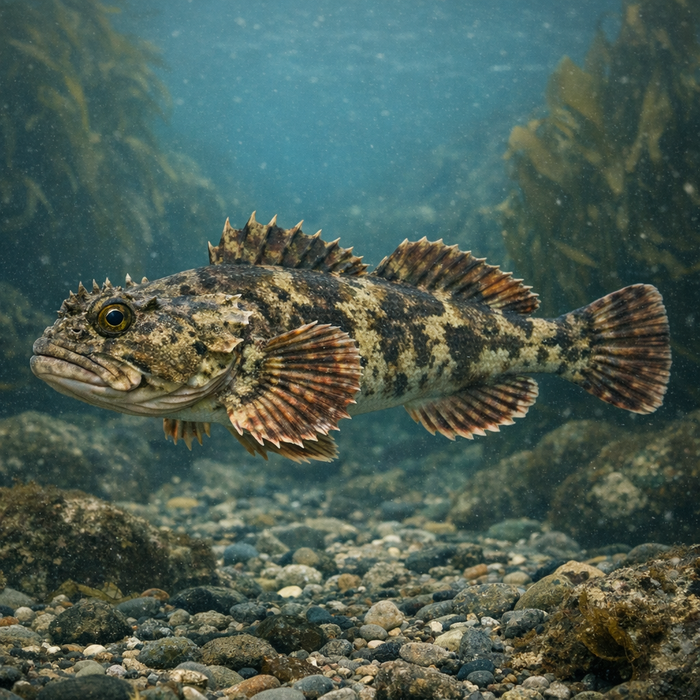
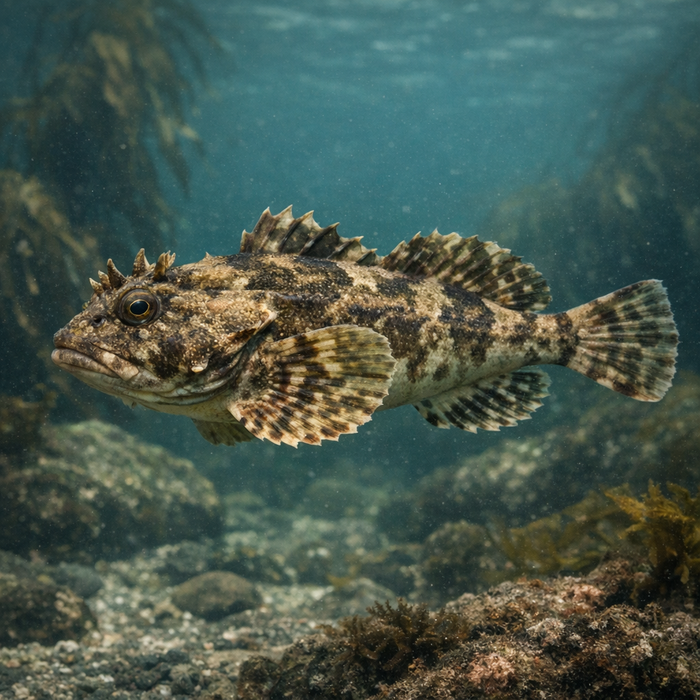
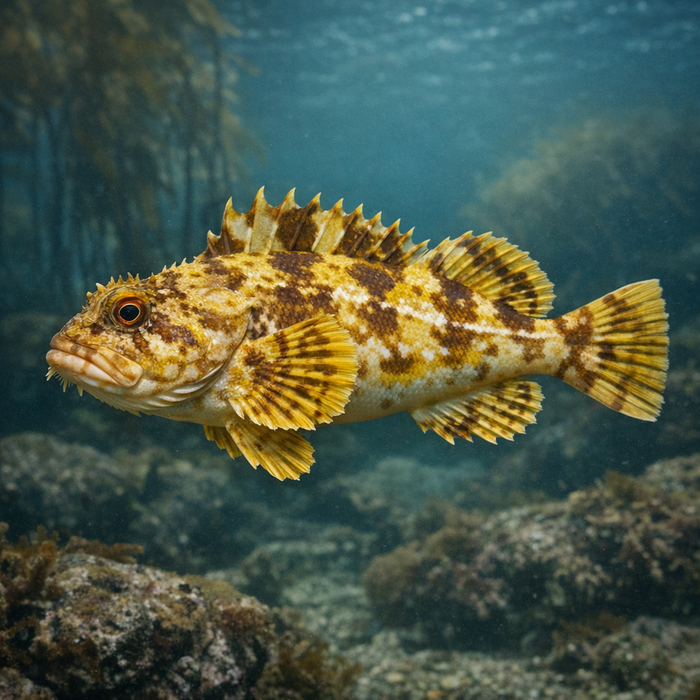
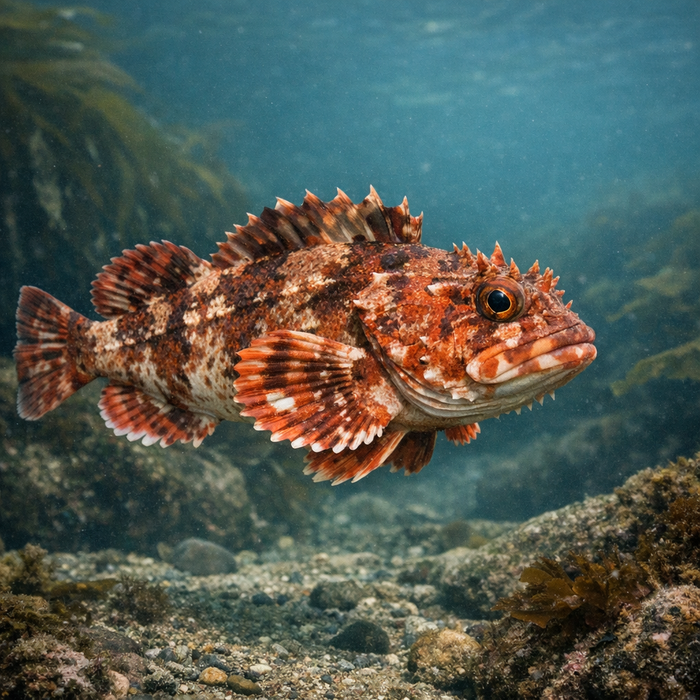
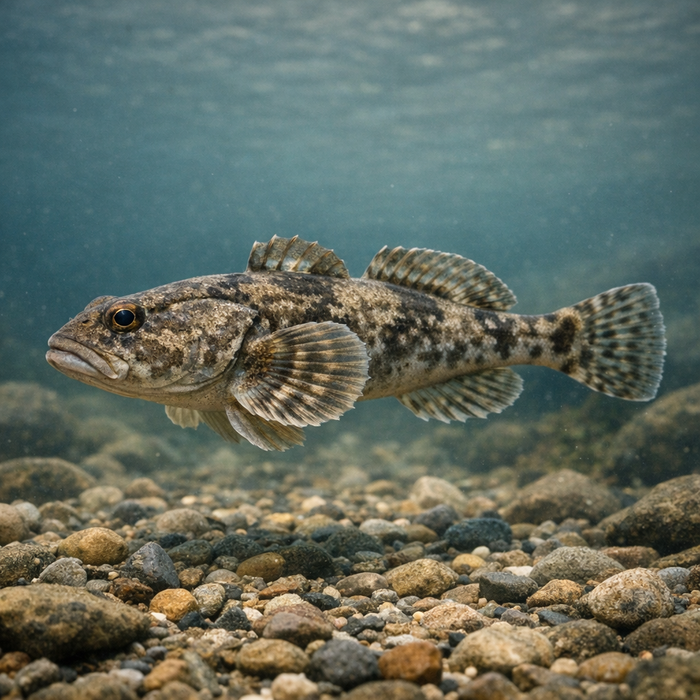
Blackfin Sculpin (Malacocottus kincaidi): A pocket-sized bruiser from the deep that lives life pinned to the slope.IntroductionThe blackfin sculpin isn't showing up on your inshore hero shots, and it's not supposed to. This is a deep-structure drifter's surprise guest, a small, tough customer with inky fins and a face that screams bottom business. If you fish deep, you'll bump into it eventually, usually while chasing something fancier. But look closer. The blackfin sculpin is a masterclass in deepwater design, a fish built to own the seafloor one careful shuffle at a time.What Makes the Blackfin sculpin Unique?Start with the fins: true to the name, those membranes are dark as a sharpie, edging a compact body with oversized pectorals that act like landing flaps on a muddy runway. Then there's the no-swim-bladder thing. The blackfin sculpin rides pressure swings better than most bottom dwellers, meaning trips from 800 feet don't balloon it like a party store blimp. Add the big lateral-line pores sprinkled across the head, and you've got a fish that hears the seafloor like a radar dish. Down there, senses trump speed every time.Habitat & Global RangeWhen anglers talk Blackfin sculpin habitat, they're talking cold, deep slope. Think upper continental slope and submarine canyons along the North Pacific margin, especially Alaska and the broader Northeast Pacific. Mud, sand, low-relief cobble, scattered sponges and coral heads: the blackfin sculpin treats it all like a patchwork neighborhood. It doesn't roam far, it doesn't school tight, and it's perfectly content in the dim hush far below the chop. If you're building a picture from Blackfin sculpin facts, it's this: small fish, big depths, bigger attitude.Behavior & TemperamentThe blackfin sculpin is a sitter, not a sprinter. It hugs bottom, easing between ripples and pockets the way a careful driver handles ruts on a dirt road. It won't chase long, and it won't charge the water column. Bites feel like the ocean winking at you: a tiny tap, then steady weight. Fighting spirit? More stubborn than strong. It leans on leverage and fins, not drama. That said, it's perfectly tuned for its world. Camouflage tight, movement economical, senses buzzing. Picture a patient ambusher biding time for whatever drifts or scuttles into reach.Ecological ImportanceSmall doesn't mean small-time. The blackfin sculpin greases the gears of the deep-slope food web. It converts crustaceans, small benthic critters, and stray morsels into a protein packet for larger predators, while also doing its part to keep the invertebrate crowd honest. Eggs are stuck to the bottom, where they stay put, tending to the slow-and-steady rhythm of deepwater life. Hard to see, easy to underestimate, but vital all the same.Conservation & Environmental PressuresYou won't find protest banners for the blackfin sculpin, but that doesn't make it bulletproof. Deep-habitat disturbances, seafloor contact gear, and climate-driven shifts in temperature and oxygen all nibble at the margins of its comfort zone. Data is sparse, formal listings are scarce, and fisheries don't target it. That obscurity is a little protective and a little risky. When a species lives off the radar, it's easy to ignore, and even easier to impact without noticing.The FishyAF TakeThe blackfin sculpin is the anti-trophy trophy. It's proof you were in the right neighborhood and knew how to read the bottom. It won't wow the dock, but it should impress your inner nerd. Those black fins are more than a paint job; they're the flag of a fish designed to thrive where light and options both run thin. If you like your fishing with a side of curiosity, the blackfin sculpin delivers. It's the quiet notch on your belt that says you fish deep, think deeper, and appreciate the weird little specialists that make the ocean tick.