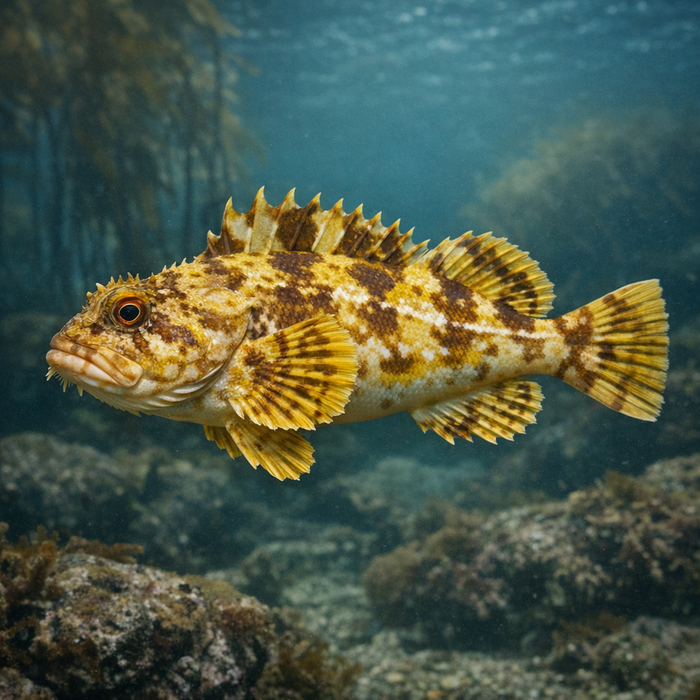
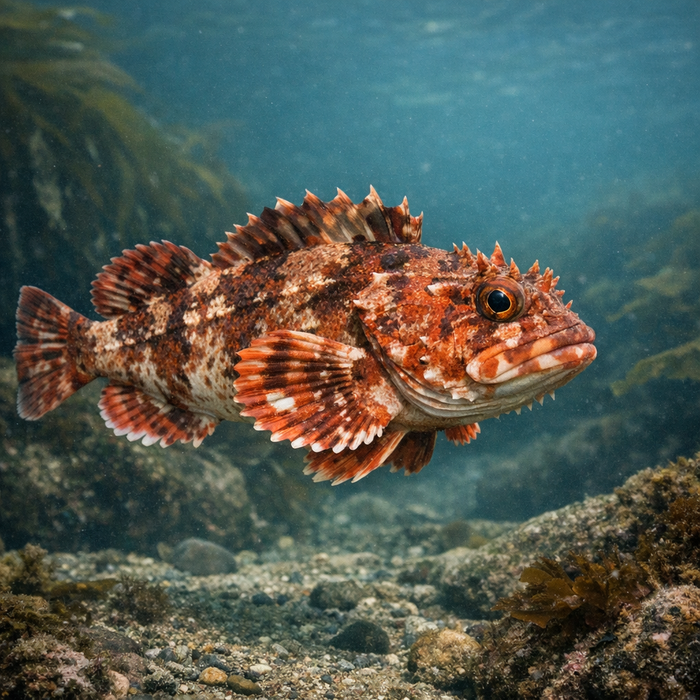
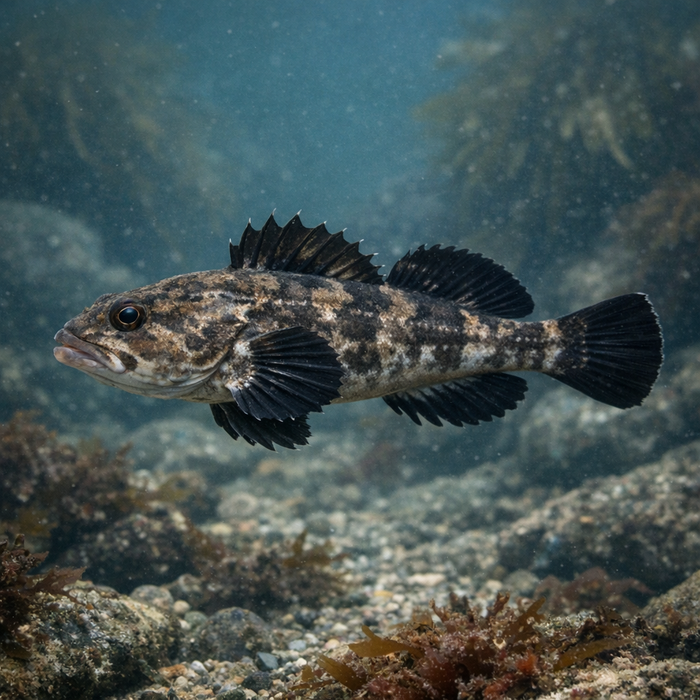
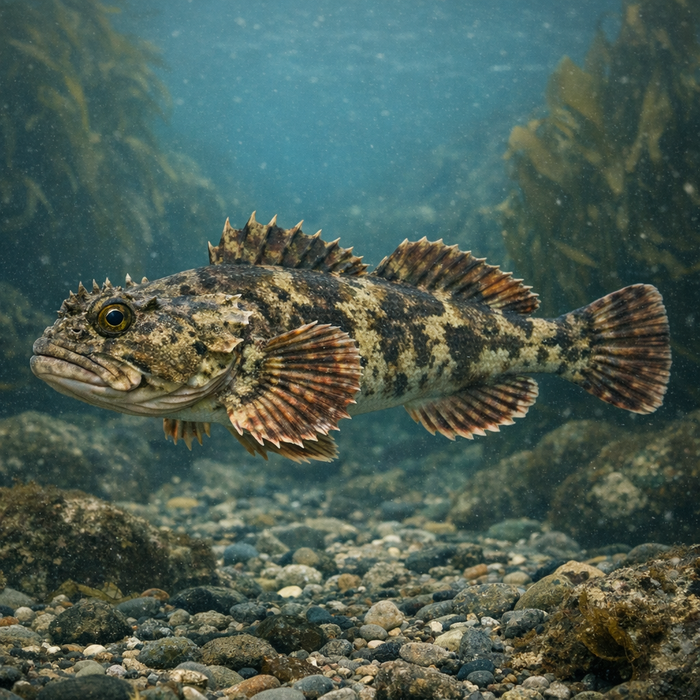
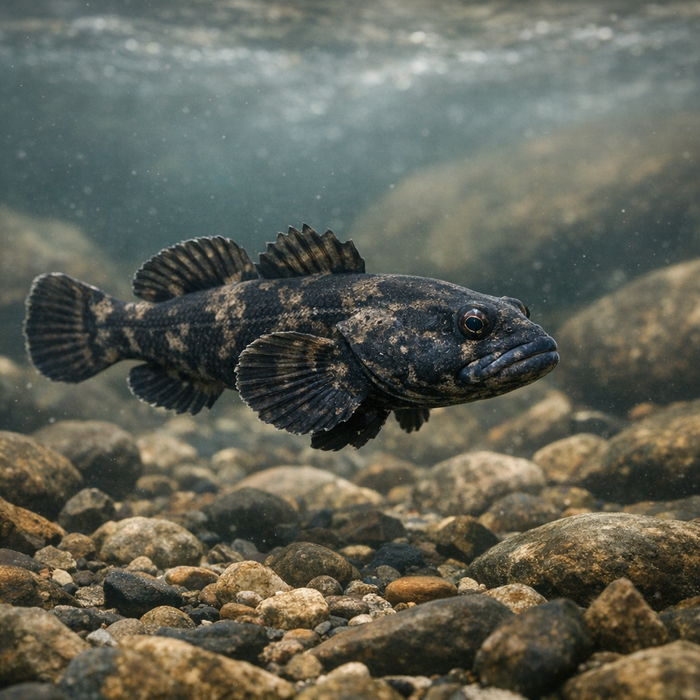
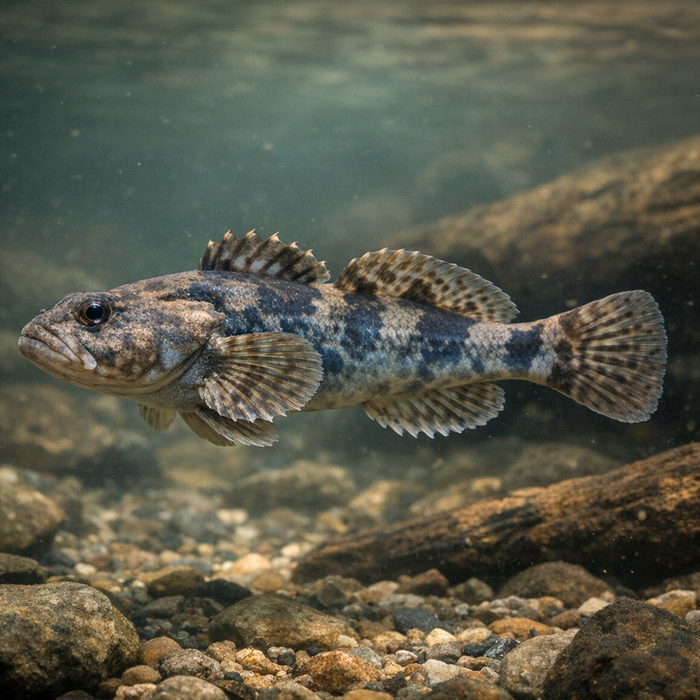
Buffalo Sculpin (Enophrys bison): The Spiky Bulldozer Of Pacific TidepoolsIntroductionThe buffalo sculpin is the tough little brawler of West Coast rocks and kelp, all attitude and armor. It doesn't cruise flashy schools or smash topwater plugs. It sits. It waits. Then it detonates on anything edible that wanders too close. For anglers working jetties and surge channels, the buffalo sculpin is both a frequent surprise and a worthy target, thanks to those prehistoric head spines and never-say-die grip on the bottom. If you want Buffalo sculpin facts with zero fluff, you're in the right tidepool.What Makes the Buffalo sculpin Unique?Start with the silhouette: a tanky head bristling with hornlike spines, broad pectorals like wings, and a body designed to slam itself into current and stay put. Enophrys bison lacks a swim bladder, so it doesn't bob or drift. It's a pure bottom specialist, happy to perch on barnacled ledges while crabs, shrimp, and small fish doom-scroll by. The camouflage isn't subtle either. This fish wears mottled greens, oranges, and brick reds that echo sponges and coralline algae, giving the buffalo sculpin a blink-and-miss profile until it lunges.Habitat & Global RangeWhen folks search Buffalo sculpin habitat, they're really asking where rock meets chaos. Think intertidal boulders, kelp roots, jetty holes, and shallow reefs swept by oxygen-rich surge. The species ranges along the Eastern North Pacific from Alaska's cooler fjords down the West Coast into California, with strong showings in protected sounds, coastal bays, and nearshore reefs. Depth-wise, it's a shallow specialist, commonly perched from tidepools to a few dozen feet, occasionally slipping deeper along broken rock and kelp lanes. Anywhere a crab can hide and a barnacle can thrive, a buffalo sculpin can thrive harder.Behavior & TemperamentThis fish is a stone-cold ambush predator. It holds tight to structure, explodes in short bursts, and dials right back to statuesque patience. Males guard nests fiercely during the breeding season, fanning egg masses stuffed into cracks or attached to rock faces. Multiple females often contribute to one nest, which one bulldog male defends for weeks. Hooked buffalo sculpin won't sprint off like a surfperch; they bulldog and wedge into cover. It's less of a long fight and more of a pry bar job. Handle with respect: the spines are sharp, and this species has strong survival instincts that involve poking you.Ecological ImportanceThe buffalo sculpin is small but mighty in the food web. By vacuuming up crabs, amphipods, and small fish, it converts tidal productivity into calories that larger predators appreciate. It's both mid-level hunter and reliable snack, bridging tidepool microhabitats and nearshore reefs. That sit-and-wait lifestyle also supports clean-up duty: anything wounded, disoriented by surge, or flushed out of kelp becomes sculpin fuel. When sculpins nest, they create micro-hotspots of defense and activity where other critters gather, shifting local dynamics in ways you can feel if you fish the same rocks often.Conservation & Environmental PressuresThis isn't a high-profile fishery species, and it doesn't get the star treatment in management plans. That said, nearshore health dictates buffalo sculpin success. Kelp loss, sedimentation, polluted stormwater, and shoreline hardening can erase the surge-swept pockets they need. Because the buffalo sculpin hugs the bottom, derelict fishing gear and chronic habitat trash do real damage. It's not about bag limits as much as maintaining intact rocky structure, stable kelp, and clean, oxygen-rich water. In many areas, they're simply regulated under general marine fish rules.The FishyAF TakeThe buffalo sculpin won't win beauty pageants, unless the judges appreciate bone spikes and surly charm. But for anglers who love technical shore fishing, it's perfect: simple gear, spicy habitat, instant feedback. Drop a bait into the boulder maze, feel that unmistakable thump, and then get surgical. Keep your rig light, your leader tough, and your hands clear of the business end. Respect the fish, pop a quick photo, and slide it back. The buffalo sculpin is the blue-collar gatekeeper of the rocks, and your day on the coast is better for meeting one.