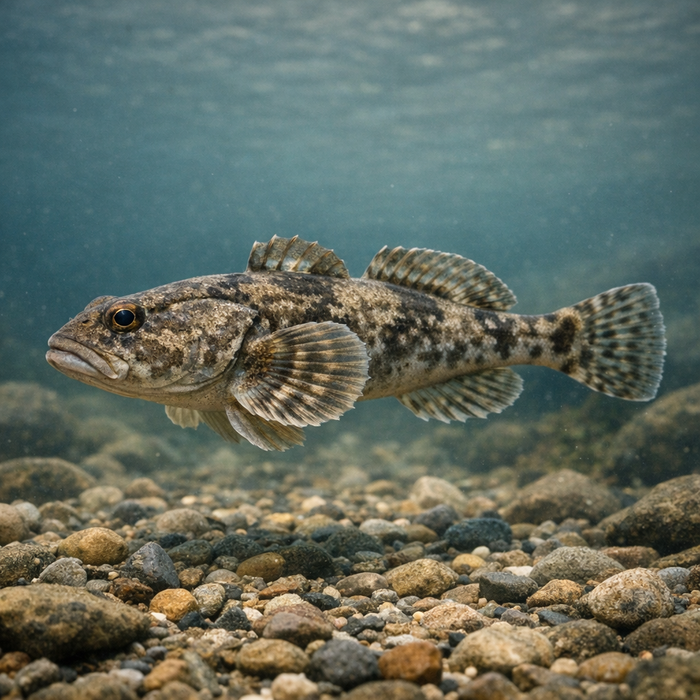
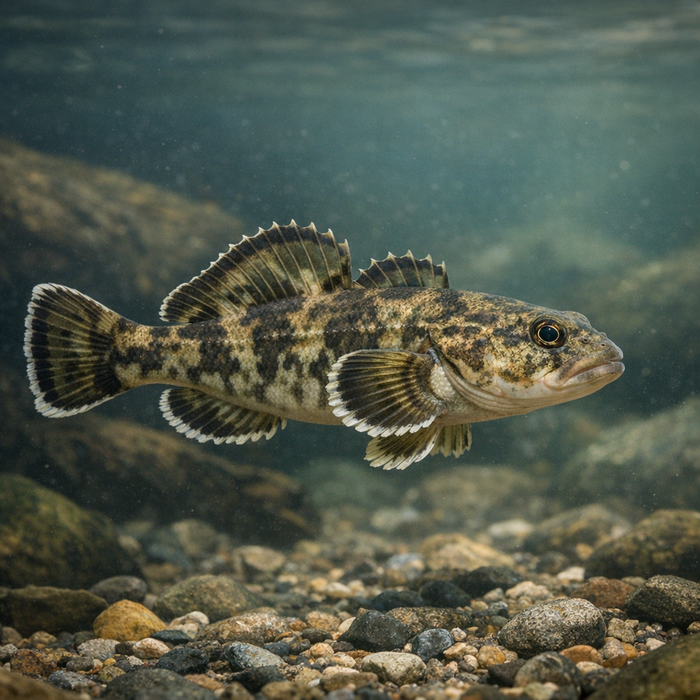
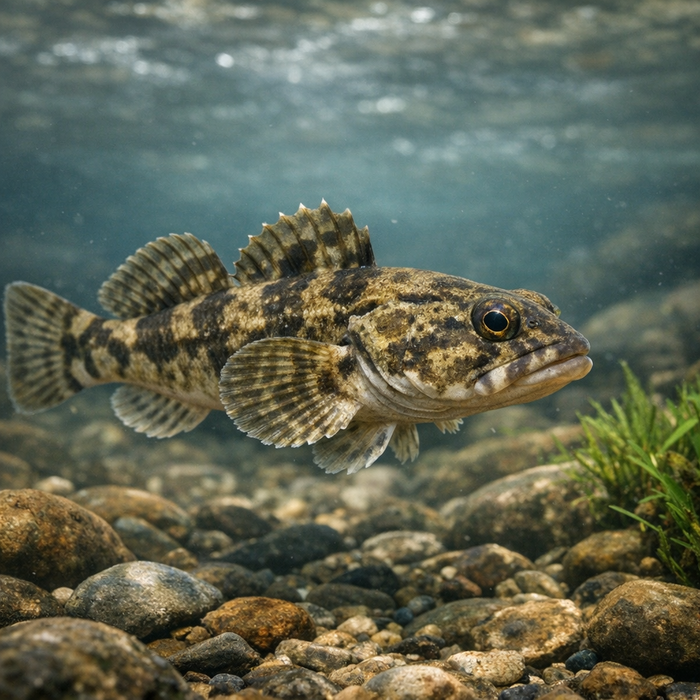
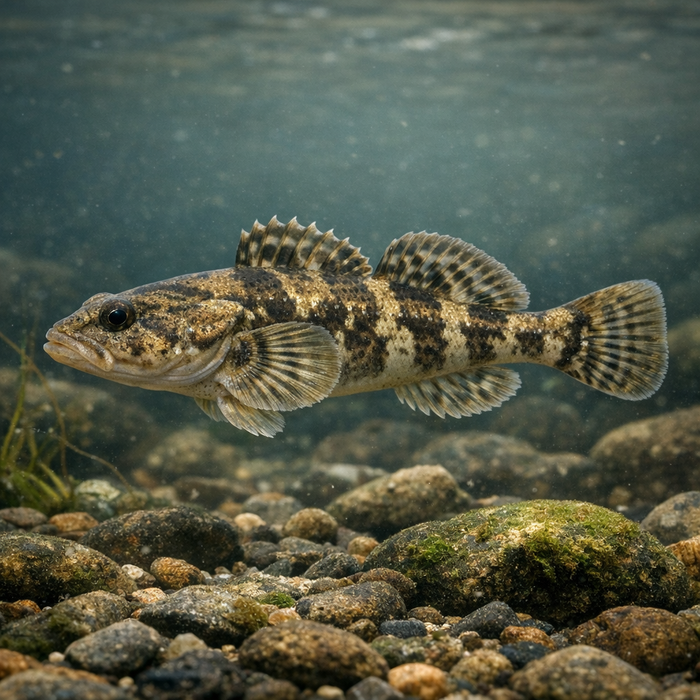
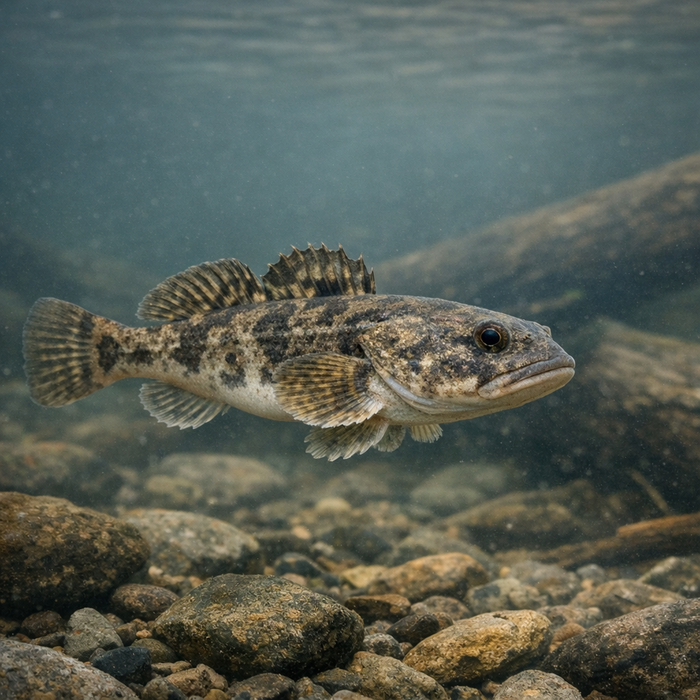
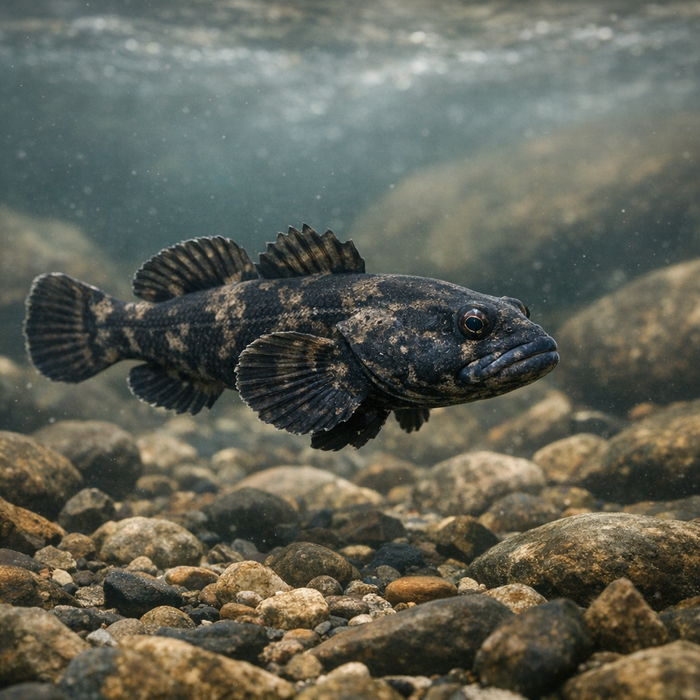
Deepwater Sculpin (Myoxocephalus thompsonii): The tiny trench goblin powering Great Lakes predatorsIntroductionThe deepwater sculpin is the fish you never see but everything eats. It spends life glued to the abyss of cold, clear lakes, snaggle-mawed and stone-camouflaged, turning opossum shrimp and bottom bugs into rocket fuel for lake trout. You won't see hero shots plastered with these little gremlins, but the fishery you love probably runs on them. Looking for Deepwater sculpin facts? Keep reading. This is the quiet engine of the deep.What Makes the Deepwater sculpin Unique?First, the hardware. No swim bladder, giant pectoral fins, and a skull armored like a medieval visor. That no-bladder setup means the deepwater sculpin can rise or drop in the water column without exploding, a superpower most fish don't have. Second, the eyes: saucer-large and built for the dim, which suits a fish that treats daylight like a rumor. Third, it's a legit glacial relict. When the ice retreated, this species stayed put in the coldest basins and kept the lights on for everything bigger.Habitat & Global RangeThink cold, deep, and clear. The deepwater sculpin thrives in Great Lakes basins and scattered northern inland lakes with serious depth and oxygen. Mud and fine gravel flats with cobble patches are home base, often from 100 to 400 feet, with occasional forays shallower in cold seasons. If someone says they saw one in a sunny weedbed, smile and nod. Most anglers only encounter them on ice or while vertical jigging offshore structure. If you're chasing Deepwater sculpin habitat specifics, picture the trench lines and offshore mud slicks where sonar looks like static and the temperature never gets friendly.Behavior & TemperamentThey're not roamers. The deepwater sculpin shuffles and short-darts across bottom, ambushing micro-prey with a vacuum gulp. It's low drama: little schooling, minimal surface action, and a fight that ends the second you hook them. But they move enough to intersect with everything eating down-slope. Nights and dark days bump up activity. In winter, they push onto shallower shelves and shoals, finally brushing within reach of mortals on the ice.Ecological ImportanceThis is the keystone snack. Lake trout, burbot, and big salmonids mainline deepwater sculpin calories. When sculpins are strong, predators grow faster, fight harder, and push the scale higher. They convert mysis shrimp and amphipods into dense, high-octane protein. Predators cough them up boatside often enough that you'll end up wearing one. If you measure lakes by how well their apex residents are eating, you measure deepwater sculpin.Conservation & Environmental PressuresThe good news: the species is generally stable where cold, oxygenated water persists. The bad news: it hates warm water and low oxygen, and climate change happily delivers both. Add invasive species shuffling food webs and altering bottom habitat, and you get a complex picture. Still, the deepwater sculpin proves resilient where deep basins stay cold and clean. Monitoring trends matters because this fish telegraphs the health of the trench better than most gauges.The FishyAF TakeNobody books a trip "for sculpin," but maybe they should. The deepwater sculpin is the unsung gear tooth turning your favorite fishery. It's weird, tough, ancient, and perfectly built for the dark. If you ice-fish deep humps with micro-jigs and think something thumped like a wet sock, congratulations, you met the powerhouse behind your lake trout. It won't peel drag. It won't high-five your ego. It just quietly runs the show. And that, friends, is the best Deepwater sculpin facts headline: small fish, giant influence.