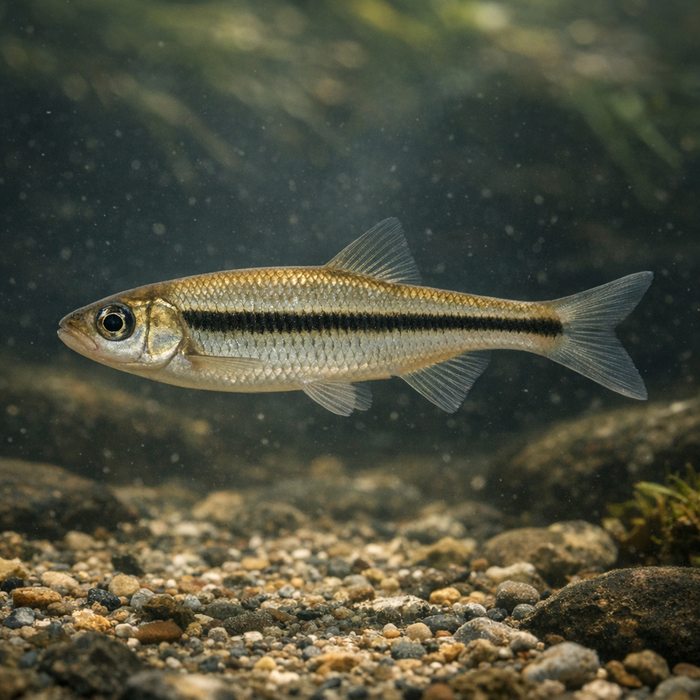
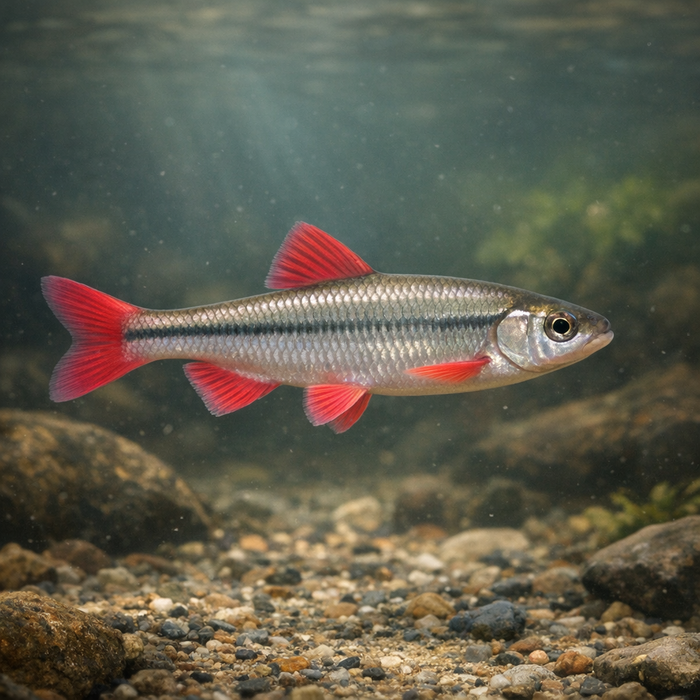
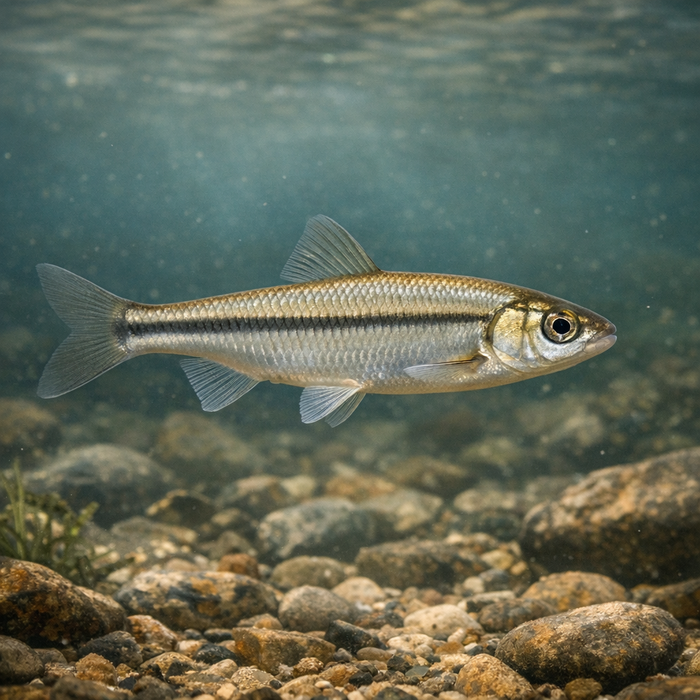
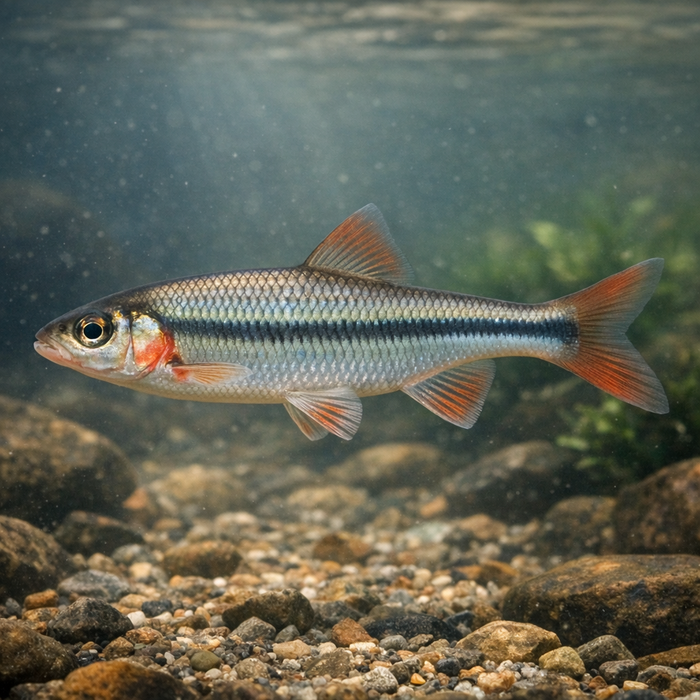
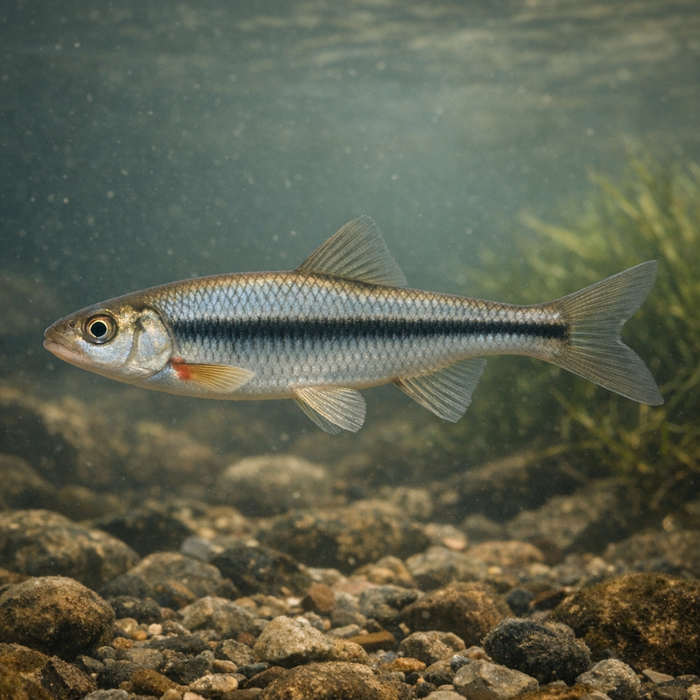
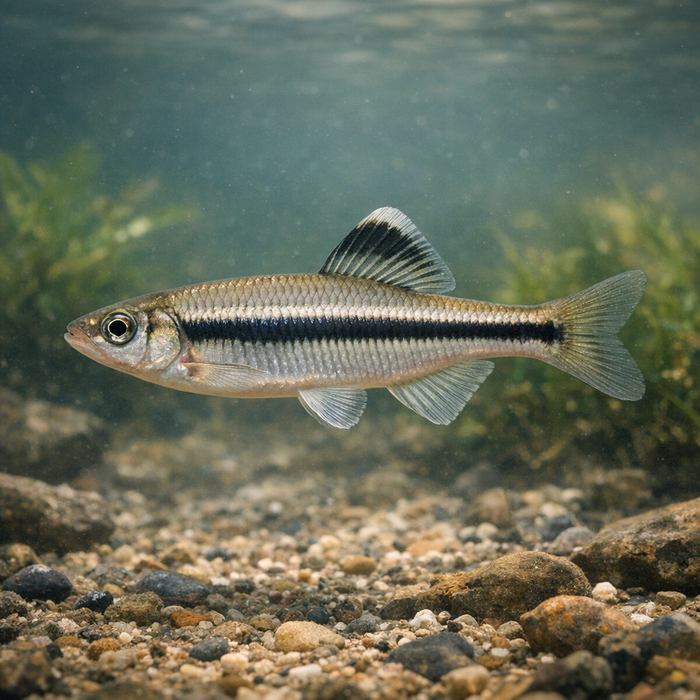
Bluntnose Shiner (Alburnops simus): The tiny desert minnow that lives life on fast-forwardIntroductionThe bluntnose shiner is the kind of fish you only notice when you slow way down. It's small, silvery, and perfectly tuned for sandy, shallow, ever-shifting desert rivers. Blink and a school slides past like glitter in tea. For anglers who appreciate finesse and oddball natives, the bluntnose shiner is a micro marvel hiding in plain sight.What Makes the Bluntnose shiner Unique?First, that nose. The rounded, almost snubbed snout isn't cosmetic; it's a tool. The blunt profile helps this shiner work the sand, nosing along to grab tiny invertebrates drifting near the bottom. Second, it's built for boom-and-bust water. The bluntnose shiner thrives in turbid flows that flash up with storms, then drop to trickles. Last, it's a schooling specialist. Tight groups compress along sandbars, fan out across shallow runs, then regroup in an instant, giving predators-and clumsy anglers-little to work with.Habitat & Global RangeIf you're hunting bluntnose shiner habitat, think warm, sandy desert rivers and lowland prairie creeks with moderate current and shifting bars. It's a native North American minnow of arid and semi-arid drainages, where windborne silt and storm-fed pulses are normal. Look to slow to moderate runs, side channels, and the shallow margins of main flow, where sand and fine gravel dominate. The best Bluntnose shiner habitat is dynamic: clarity swings daily, flow changes weekly, and the bottom literally moves under your feet.Behavior & TemperamentThe bluntnose shiner is jittery, coordinated, and all about safety in numbers. It holds near the bottom and midwater, feeding on drifting micro-invertebrates and organic bits. Spawning generally tracks warm-season flow pulses: eggs broadcast into the current, left to tumble and settle in sand. Life is quick-most fish top out around two to three years-so feeding and reproduction run on a tight schedule. Don't expect splashy topwater moments; surface activity is rare. What you do get is precision: delicate takes, quick darts, and sudden vanishing acts when a shadow crosses.Ecological ImportanceCall it small but mighty. The bluntnose shiner sits in the essential middle of desert river food webs, turning tiny invertebrates and organic debris into bite-sized energy for larger fish and birds. Schools help stabilize nutrient flow, and broadcasting eggs across moving sand spreads risk when channels rework overnight. If you care about native fisheries, the bluntnose shiner is one of those quiet cogs that keeps the whole machine turning.Conservation & Environmental PressuresSandy lowland rivers are some of the most altered habitats on the continent. Flow regulation, water withdrawals, channelization, and sediment changes all press on species like the bluntnose shiner. Add invasive predators and drought cycles and you've got a delicate balance. Some populations are legally protected, and access may be limited or regulated. Status listings vary and different authorities track them differently, so always check local guidance. Protect the water, and the shiner schools keep humming along the sand.The FishyAF TakeThe bluntnose shiner won't blow up your drag. It's about finesse fishing and river nerd vibes. Want easy? Skip it. Want to geek out on micro drifts, tiny hooks, and reading sand tongues like a map? The bluntnose shiner delivers. Turn over your expectations, slow down, and you'll start spotting movement where you swore there was none. For anglers collecting species or learning a desert river's heartbeat, this little silvery torpedo is the perfect teacher-and the best source of legit Bluntnose shiner facts you'll earn the hard way.