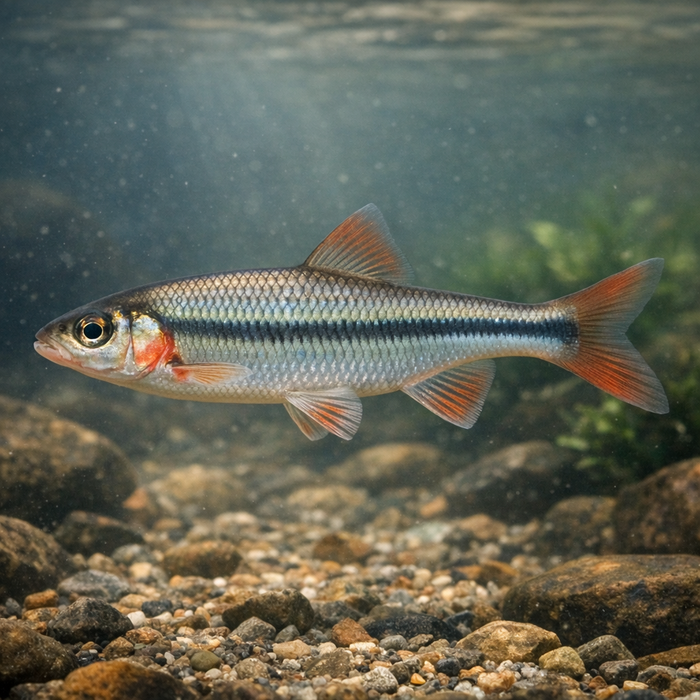
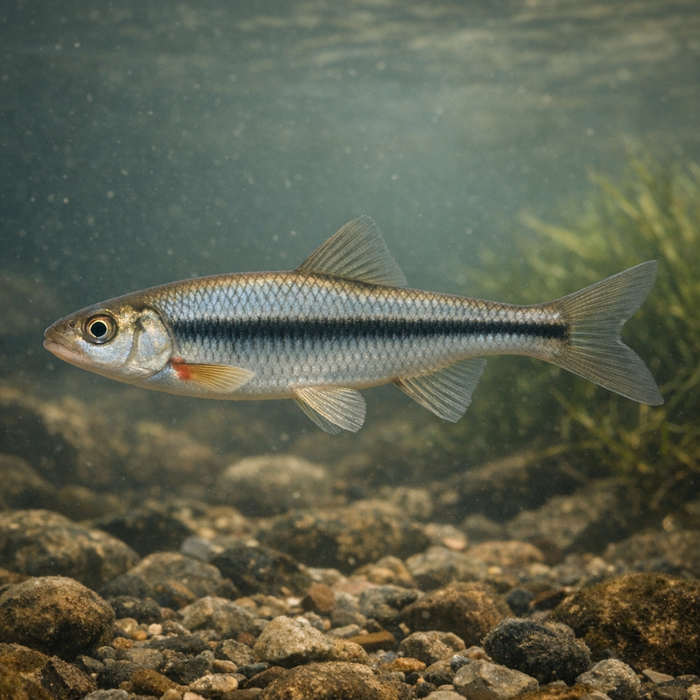
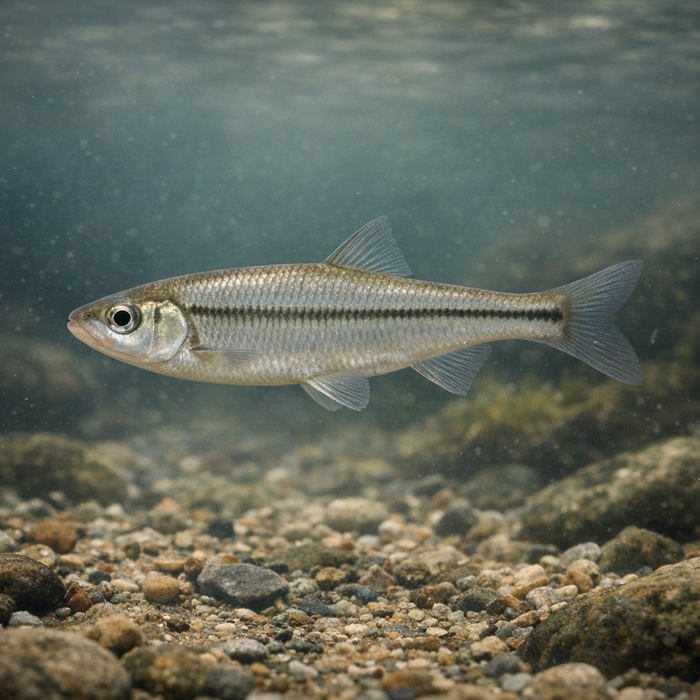
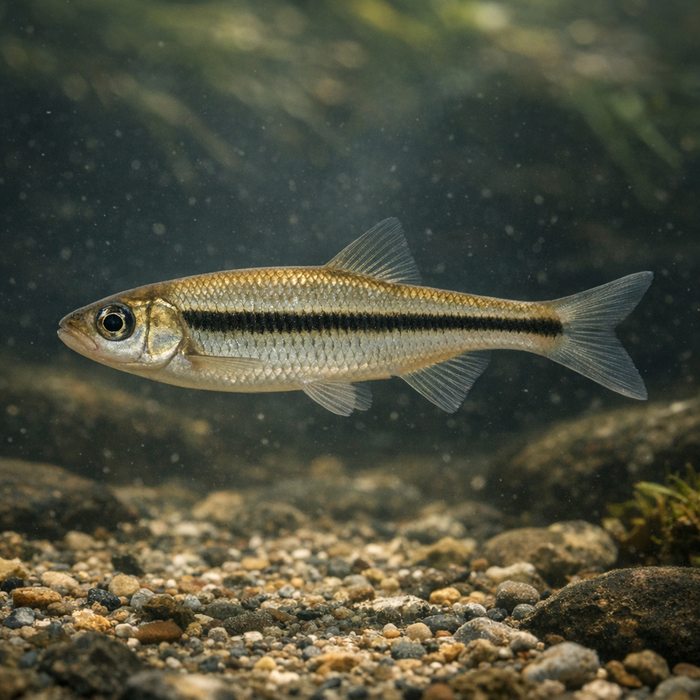
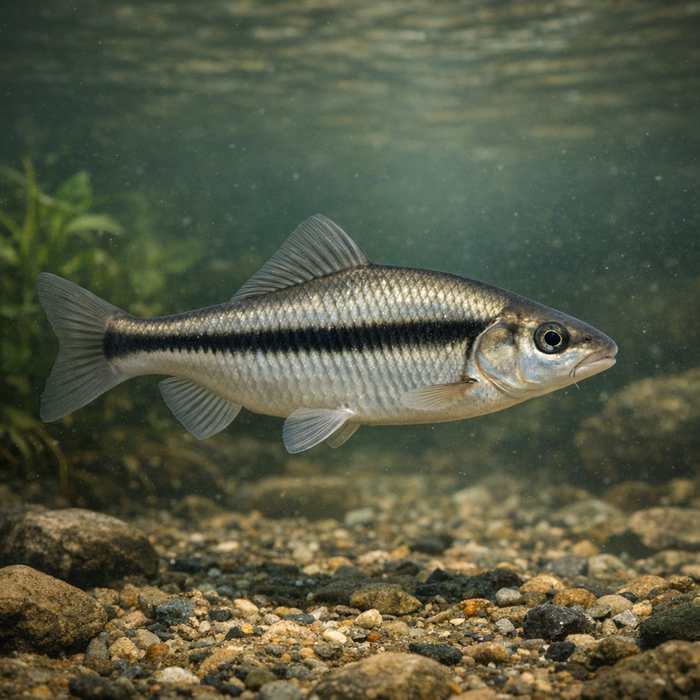
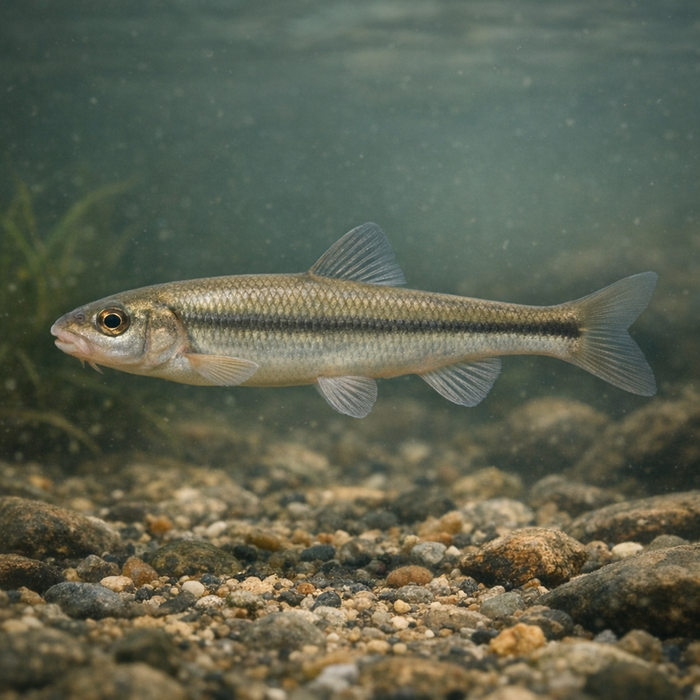
Rosefin shiner (Lythrurus ardens): A Bold, Memorable Hook LineIntroductionThe rosefin shiner is a riffle rocket with hot-pink fins and zero patience for boring water. If you've ever stared into a Piedmont creek and watched a silver swarm flicker like a disco ball, you've probably met this fish. It's small, fast, and way more stylish than a creature that maxes out around four inches has any right to be. Anglers chasing Rosefin shiner facts or simply curious about Rosefin shiner habitat are stepping into a world where microfishing skill meets creekside sneaking.What Makes the Rosefin shiner Unique?Two standout traits make the rosefin shiner a cult favorite. First, breeding males light up with red-rose fins that look hand-painted. That glow isn't a rumor; it's field-visible and absolutely unmistakable in clean current. Second, they're classic nest associates. Instead of building their own nest, rosefins crowd onto gravel mounds made by bigger chubs and rain down eggs into freshly turned stones. Outsource the construction, show up for the party, and keep it moving. That's the rosefin playbook. Add in quick schooling bursts and you've got a tiny fish with big drama.Habitat & Global RangeThe rosefin shiner is a Southeastern U.S. special, thriving in Piedmont and upper Coastal Plain creeks and small rivers. Think clear flow, sand-and-gravel or small-pebble bottoms, and enough current to keep silt from smothering the good stuff. They love riffles, runs, and the creases where faster water softens into a pool. Depth doesn't need to be much; shin-deep water can be prime. In slower summer conditions they slide to slightly deeper runs, but as soon as flow perks back up, the school tightens and climbs toward the current again. If you're mapping Rosefin shiner habitat on a Saturday, start where your boots crunch clean gravel.Behavior & TemperamentSchooling rules the rosefin's life. In neutral mood, they shimmer in tight packs and grab drifting tidbits with quick jabs. During the spawn, males square up, tubercles out, and stake whatever turf they can hold on those chub mounds. They're wary in bright light and will blow out of a skinny riffle in a hot second, but give them a little shade or an overhanging branch and the confidence returns. Feeding happens through the column: midwater when the hatch is on, near-bottom when heavier drift is rolling. They're not bruisers, but on micro gear they feel like caffeinated confetti.Ecological ImportanceRosefin shiners are glue fish. They stitch together insect energy with bigger predators by converting tiny invertebrates into snack-sized protein for bass, sunfish, and kingfishers. Their habit of packing onto clean gravel also signals stream health. When the rosefins are flashing in riffles, substrate is turning, oxygen is flowing, and the creek is probably doing okay. Where silt blankets stones and flow stagnates, rosefins fade. Their nest-associate strategy with chubs spreads benefits upstream and down, as each mound becomes a miniature biodiversity hub.Conservation & Environmental PressuresMost populations are steady, but they're allergic to sloppy watershed management. Excessive sediment, bank trampling, and nutrient-stoked algae mats take a quick toll. Pave too much of a watershed and flashy floods scour the gravel bare, then low water bakes the leftovers. The rosefin shiner doesn't need wilderness, but it does need honest flow and clean substrate. Localized declines usually trace back to poor stormwater control, riparian clearing, or chronic turbidity. Keep the banks shaded, give floodplains room, and the rosefin pays you back in sparkling riffle shows.The FishyAF TakeThe rosefin shiner is proof that small fish can have big personality. If you're an angler, it's the perfect micro gateway: simple tackle, stealthy drifts, instant feedback. If you're a naturalist, it's a bright, living indicator your creek is still in fighting shape. Either way, when those fins go rose and the school packs onto a gravel hilltop like it's a weekend concert, stop and watch. This species turns a shallow riffle into prime-time TV. And that, friends, is why the rosefin shiner gets more camera time than fish ten times its size.