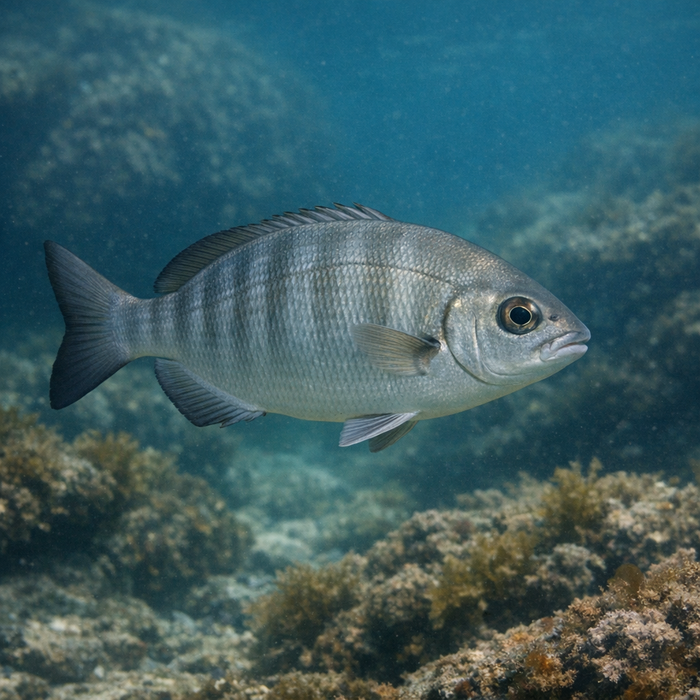
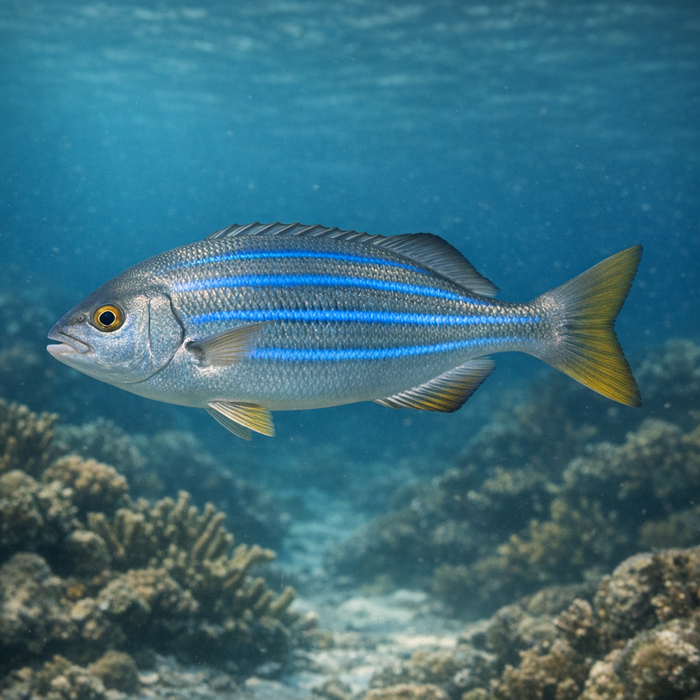
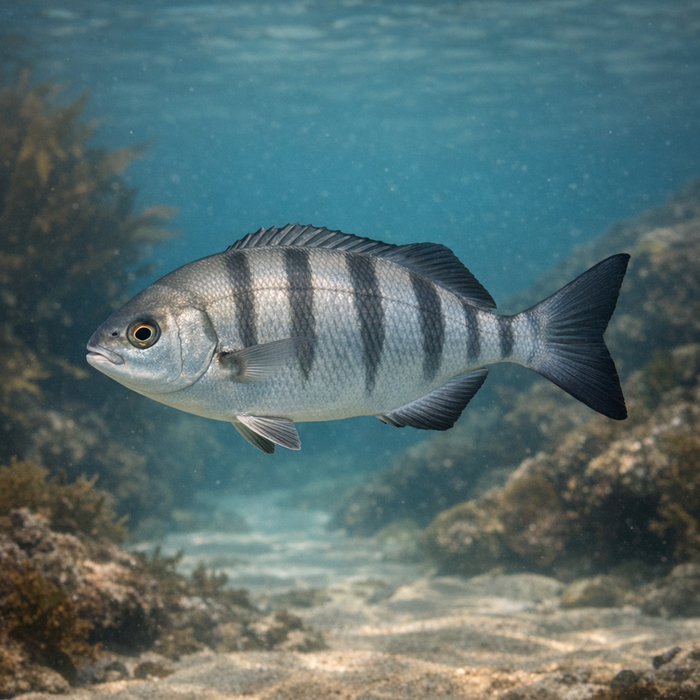
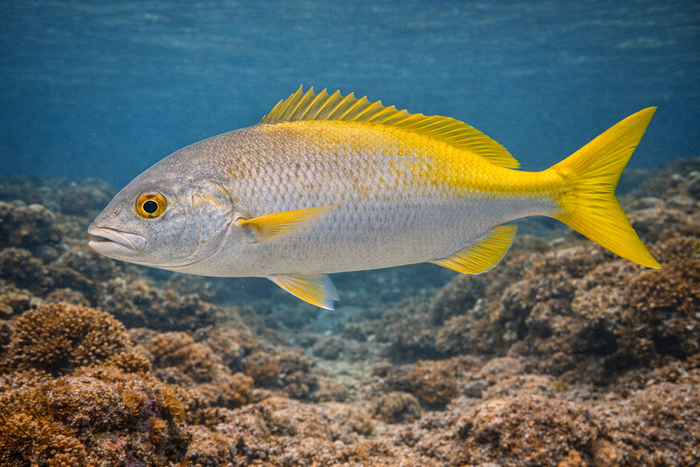
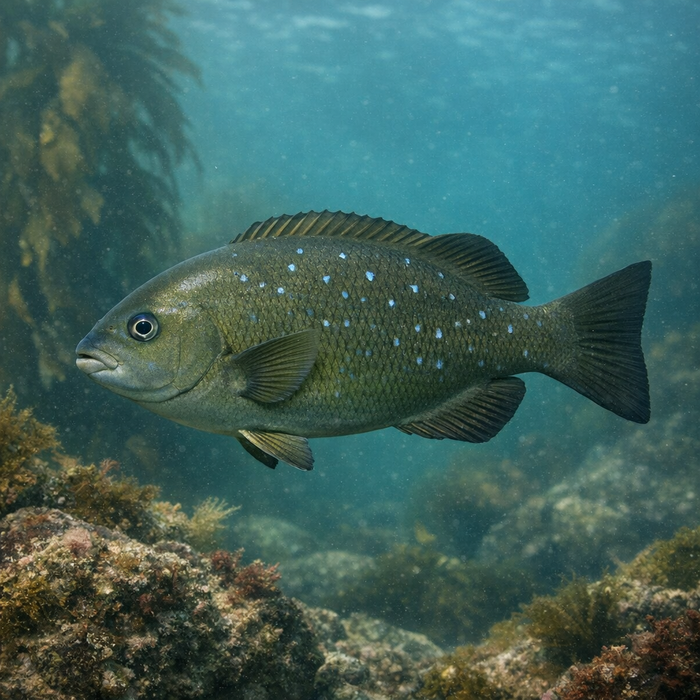
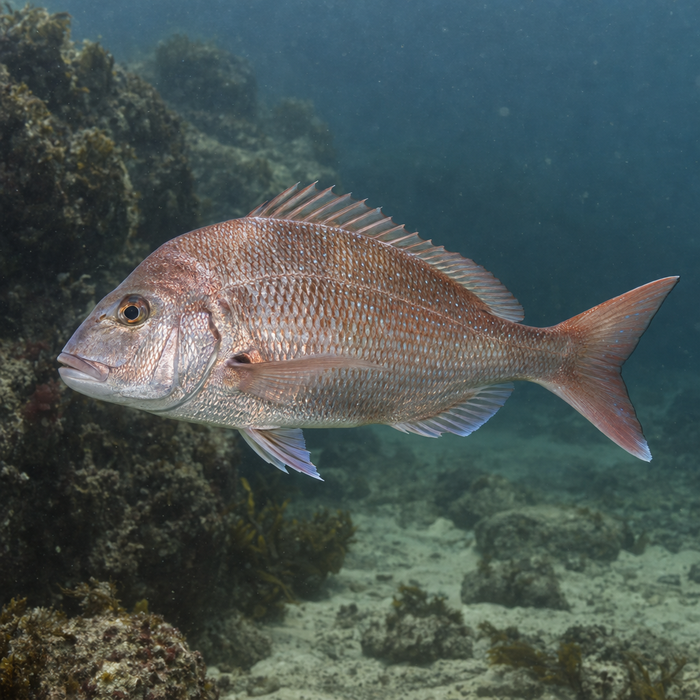
Brassy chub (kyphosus vaigiensis): A gold-backed grazer with a stubborn streak and cult following.IntroductionThe brassy chub is the reef's salad destroyer, a thick-bodied algae muncher that still finds ways to bend light tackle and confuse fish ID nerds. Not every angler targets it on purpose, but sooner or later, anyone poking around surge-washed rocks or jetty edges will meet this bronze football. It's common, surprisingly strong, and oddly picky. You can buy shrimp and still get outsmarted by a fish that eats seaweed. Welcome to the brassy chub's world.What Makes the Brassy chub Unique?Start with the mouth: short, tricuspid nippers built like reef razors. They shave algae and microinvertebrates from rock with ridiculous efficiency, leaving tidy bite marks. Inside, a long, fermentation-style gut breaks down fiber like a biological crockpot. That's not flashy, but it lets the brassy chub convert wave-battered turf into fuel and muscle. Add the signature color shift: one second brassy gold, the next dark olive bars when spooked. Schools often mix with similar sea chubs, so even divers get fooled. That combo of dental hardware, gut engineering, and quick-change paint job makes kyphosus vaigiensis a legit original.Habitat & Global RangeIf there's structure, surge, and sunlight, there's probably a brassy chub. Picture wave-swept headlands, reef flats, jetty tips, and the outside edges of harbors where current carries a steady buffet. The species is circumtropical and happy in warm water, showing up across the Indo-Pacific, parts of the Atlantic, and outlying islands. Juveniles frequently hitchhike with drifting Sargassum mats before graduating to nearshore reefs. For anglers asking about "Brassy chub habitat," think high-energy rock and coral with plenty of algae and whitewater.Behavior & TemperamentThey're commuters. Chubs shelter by ledges and boulders, then fan out to graze in daylight. They school tight, watch everything, and can ghost out if you clatter around in the wash. Bites are soft, often just a weighty pressure as they mouth and grind. Hooked fish bulldog sideways, using their deep profile and the waves like a shield. Expect steady torque, not blistering runs. The brassy chub isn't flashy, but it's honest work on light tackle.Ecological ImportanceHerbivores keep reefs from getting choked by fast-growing algae. The brassy chub is a major groundskeeper. By scraping turf and cropping fresh growth, it opens space for corals and encrusting life. That grazing also moves nutrients down the line, feeding detritivores and stabilizing the whole neighborhood. Lose your chubs and your reef balance starts wobbling. It's one of those quiet, critical roles you only notice when it's gone.Conservation & Environmental PressuresRight now, kyphosus vaigiensis sits comfortably as Least Concern, and it's not a headline commercial species. Still, it's a reef fish, and reefs are on the front lines of climate change, coastal development, and nutrient runoff. Algal phase shifts, bleaching, and habitat loss can scramble chub routines and reduce quality feeding areas. In some tropical zones, larger reef fish can accumulate ciguatera toxins, which discourages harvest and creates a weird, localized pressure-release valve. Less harvest isn't the same as healthy habitat, so keep an eye on water quality and reef resilience.The FishyAF TakeThe brassy chub is the blue-collar brawler of the surge zone. You won't brag about it like a GT, but when the surf chews you up and the bite is "impossible," chubs keep the day alive. Bread balls, tiny hooks, stealthy presentations, and you're in business. It's also a great species for teaching kids current reading, wave timing, and fish handling. Want more "Brassy chub facts"? Start with respect. It's a grazer, not a glamor fish, but it punches hard, demands finesse, and keeps reefs honest. That's a worthy target in our book.