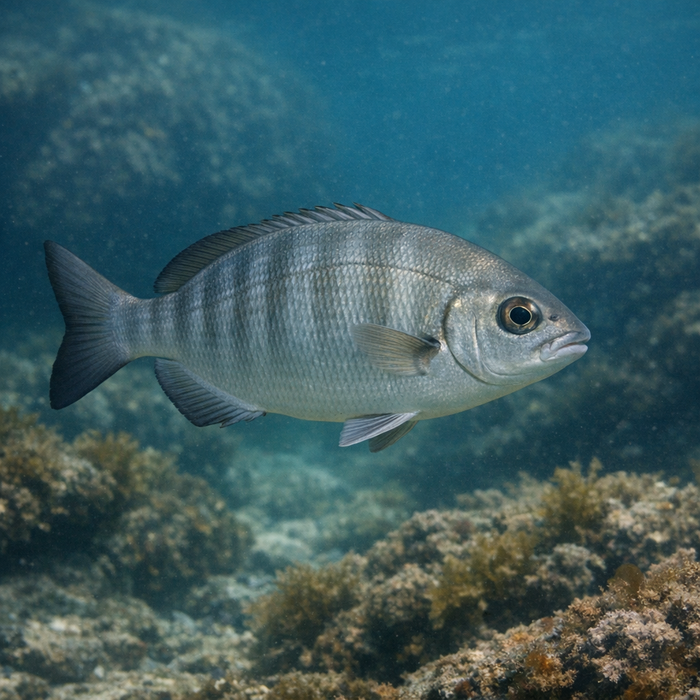
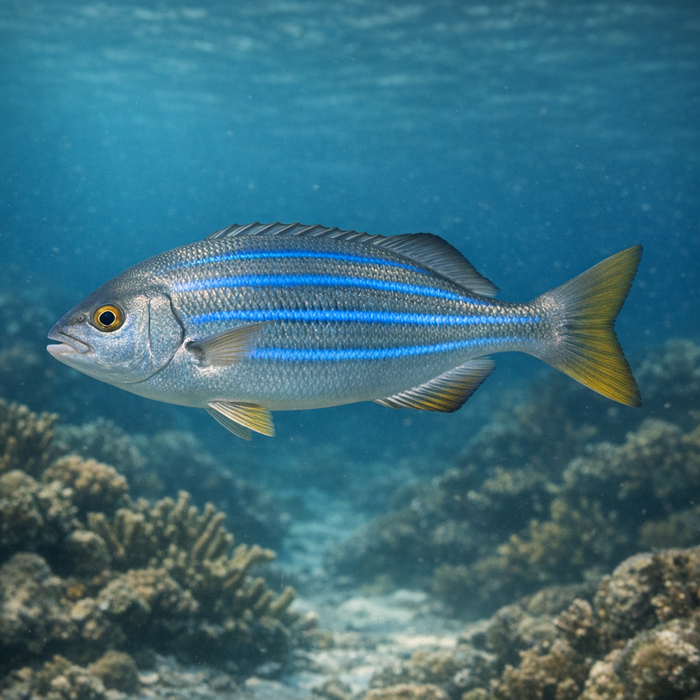
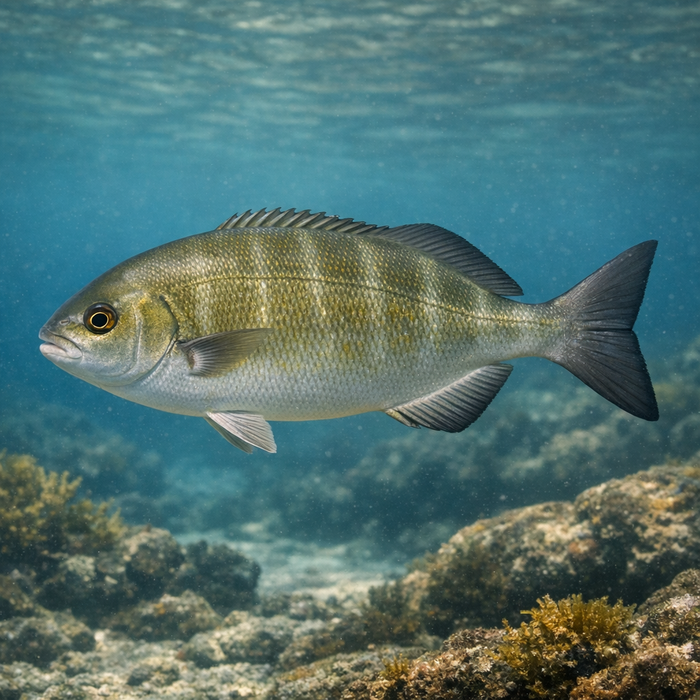
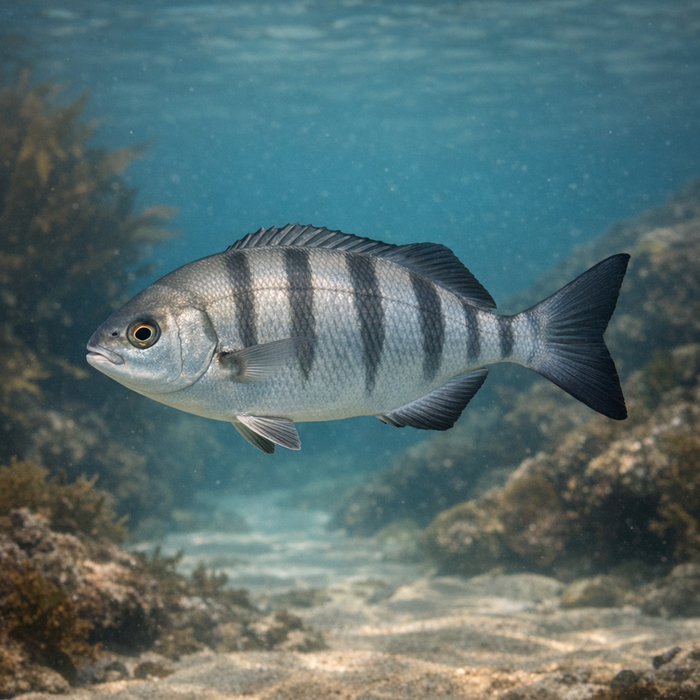
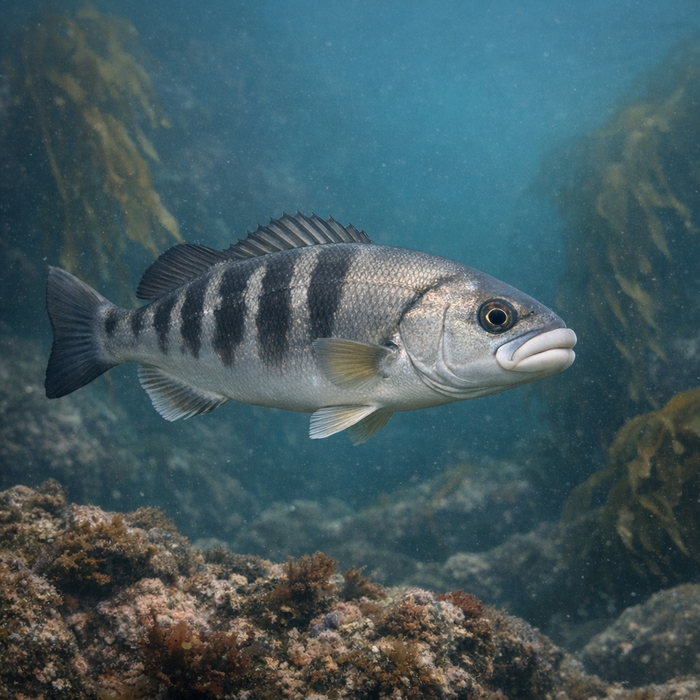
Opaleye (Girella nigricans): Kelp-Edge Vegans With AttitudeIntroductionIf you think only toothy carnivores throw down in the wash, meet the opaleye. This West Coast sea chub turns salad into torque, schools tight in the foam, and punishes sloppy presentations like a snobby food critic. They're common where rocks, kelp, and current collide, yet hard to fool in ultra-clear water. Call them humble, call them picky, but hook a good one around a kelp stringer and you'll respect the green-eyed bruiser.What Makes the Opaleye Unique?Start with the eyes. That blue-green iris shimmers like a gemstone and gives the opaleye its name. Then there's the diet. Unlike most nearshore targets, opaleye feed primarily on algae and sea lettuce, using blunt, incisor-like teeth to crop greens right off the rock. Under the hood, a muscular two-part stomach ferments all that roughage into fuel. Put those pieces together and you've got a fish built for grazing in surge, not sprinting in open water, which is a big part of why they act the way they do.Habitat & Global RangeOpaleye habitat is all about structure and movement. Picture surge channels, bouldery points, and kelp forests along the Southern and Central California coastline and the northern Baja peninsula. They like clean, oxygen-rich water with a little push, and they'll work a feeding lane much like trout, sliding up and down the column as conditions shift. Depth-wise, you'll find them from the intertidal zone to roughly 60 feet, with larger fish often orbiting the edges of kelp canopies. In harbors and protected coves, they cruise rock walls and jetty faces, especially where eelgrass and kelp fragments collect. If you want fast Opaleye facts: tight to rocks, powered by current, and usually in sight of cover.Behavior & TemperamentOpaleye school by size, get cagey in bright light, and punish heavy leaders. They aren't smash-and-grab predators; they nibble, test, and hoover greens with maddening restraint. When current pulses they feed confidently; when it slacks they sulk. Hook one and the first move is usually sideways into the salad bar. Their tall, deep body gives them leverage, so a two-pounder feels like a four. Color shifts from olive to slate help them disappear in kelp shadows, and juveniles flash one or two white shoulder spots that fade with age.Ecological ImportanceAs coastal herbivores, opaleye help mow the lawn. Their grazing prunes fast-growing algae and nudges energy from plants into the food web. Eggs and larvae drift pelagically and feed a suite of plankton-eaters, while larger opaleye feed the occasional bigger predator. They're a link between rocky primary production and everything that swims through it. In short, Opaleye habitat isn't just home; it's a garden they constantly trim.Conservation & Environmental PressuresThe species is considered stable, but the neighborhood isn't. Kelp loss from marine heatwaves, pollution in enclosed bays, and chronic coastal development all squeeze habitat quality. Clear-water specialists suffer first when visibility tanks or kelp deserts open up. Local marine protected areas bolster resilience, and shore-based release rates are high, but staying honest about changing conditions keeps the fishery healthy.The FishyAF TakeThe opaleye is proof that not every worthy fight ends in teeth marks. It's a finesse puzzle in a washing machine. Come correct with stealth, tiny hooks, and greens that look alive. Set too early and you'll curse at empty hooks. Stick one and you'll wonder how a salad-eater just tried to saw you in half with kelp. For anglers who like solving patterns instead of just hucking hardware, the opaleye is endlessly addictive-and a rock-reef masterclass hiding in plain sight.