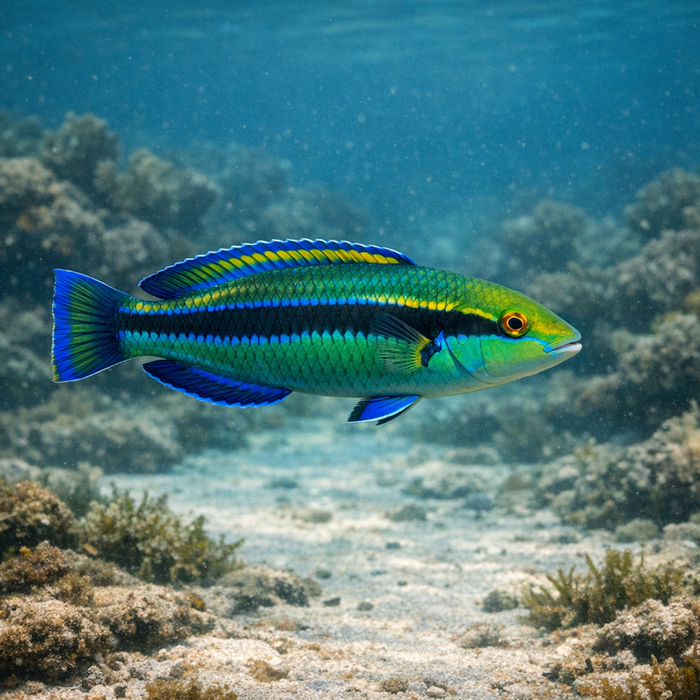
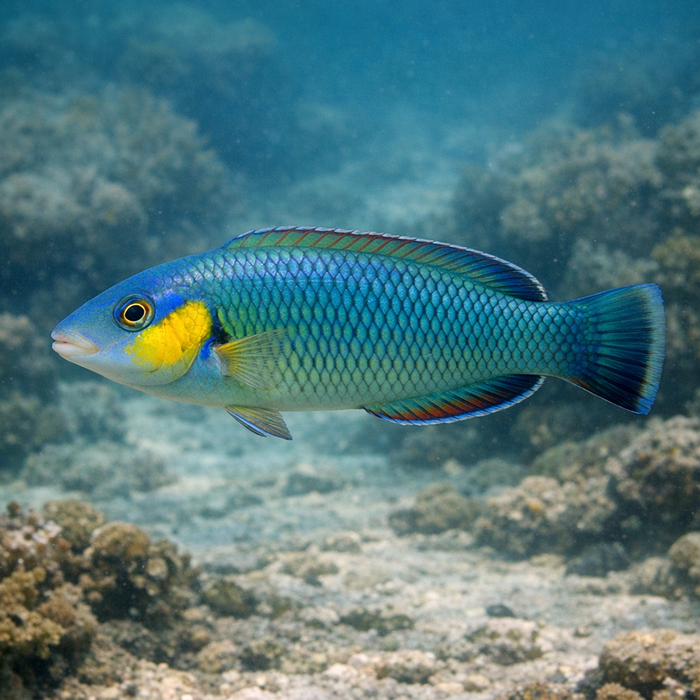
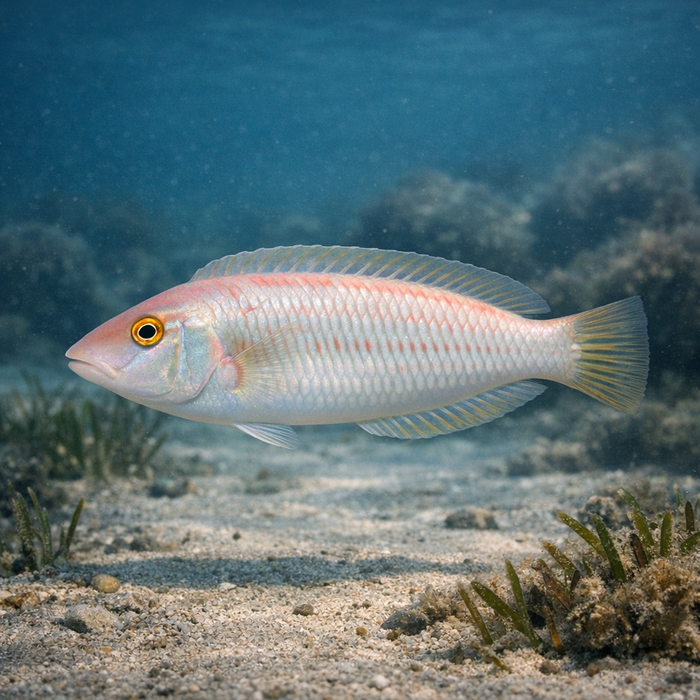
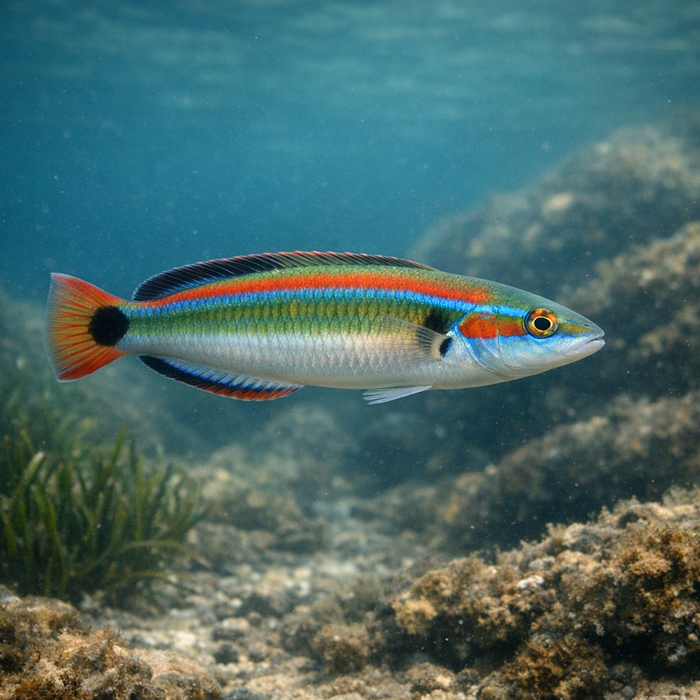
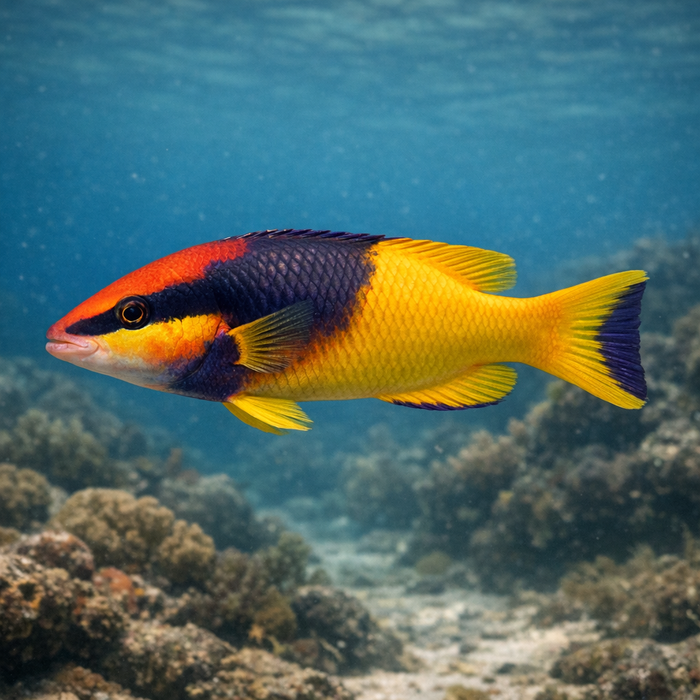
California sheephead (Semicossyphus pulcher): A Bold, Memorable Hook LineIntroductionCalifornia sheephead are the reef bullies of Southern California and Baja, chomping through shellfish with parrot-like jaws and then bulldogging back into the rocks. They aren't subtle. They're colorful, stubborn, and notorious for making you re-tie after one bad move. If you fish kelp and rock piles, you'll meet them. And once you do, you'll learn to love fresh bait, heavy leader, and zero slack.What Makes the California sheephead Unique?Two killer traits define this species. First, their sex change: every California sheephead starts life as a female and can transition to male, triggered by size and social dynamics. That's why removing the big "goats" can ripple through local populations. Second, their crushing gear: front teeth for prying, and a throat full of grinding plates that wreck urchins, crabs, and clams. Add the terminal male's colorway black head and tail, orange-red midsection, sharp white chin patch and you've got one of the West Coast's most recognizable faces.Habitat & Global RangeIf you're hunting California sheephead habitat, think structure. Kelp forests, rocky reefs, breakwalls, and wrecky junk piles are all in play. They like surge-swept nooks and high-relief ledges, from shallow kelp lines to deeper reefs. The core range runs from central California down through Baja California and into the Gulf of California, with the best fish typically coming from Southern California islands and Baja's craggier zones. They move around to feed but aren't long-distance travelers. Picture a homebody with a mean crush on shellfish and you're there. For anglers researching California sheephead facts, start with this: rocks plus kelp equal groceries.Behavior & TemperamentCalifornia sheephead are daytime feeders that patrol structure like bouncers. They're not finicky about scent but they are absolute structure huggers. Hook one and it will try to drag your rig into the bricks immediately. They're not built for blistering runs like yellowtail, but they pull hard and dirty, and they win the leverage game if you give them an inch. Their social scene is harem-based, with a dominant male running a neighborhood of females. Upset that balance, and a big female may shift gears and become the new boss.Ecological ImportanceThese wrasse are the kelp forest's shell-crushing cleanup crew. California sheephead hammer purple sea urchins, crabs, and snails, helping keep kelp from getting overgrazed when urchin numbers spike. That makes them a surprisingly important cog in the nearshore machine. In places where predators are reduced or urchins boom, sheephead can be one of the last lines holding kelp together. No, they don't fix ecosystem collapse by themselves, but they're a key piece of the puzzle.Conservation & Environmental PressuresCalifornia sheephead face a weird combo platter: heavy local fishing pressure, slow growth, and that sex-change life history. Take too many big males and you can kneecap future spawning until the social ladder reshuffles. Add habitat loss, periodic warm-water events, and messy urchin-kelp swings, and management gets tricky. They're listed as Vulnerable, and the best fisheries balance harvest with protecting those larger, older fish. For anglers, that means checking area rules, respecting marine protected areas, and practicing selective harvest. Want steady action next season? Let the true toads swim.The FishyAF TakeThe California sheephead is the West Coast's inshore reality check. You can't finesse fish past a mouthful of shell crushers and a brain wired for rock cover. Bring real leader, fresh bait, and a plan for surge, snags, and surprise dives. Put your dropper in the kelp lanes, stay tight, and don't blink when it loads up. If you want a fish that's equal parts color, character, and chaos, the California sheephead delivers. That's the California sheephead habitat story in one line: structure, tide, and groceries. Learn it and you'll stop retying quite so often, and start grinning a lot more.