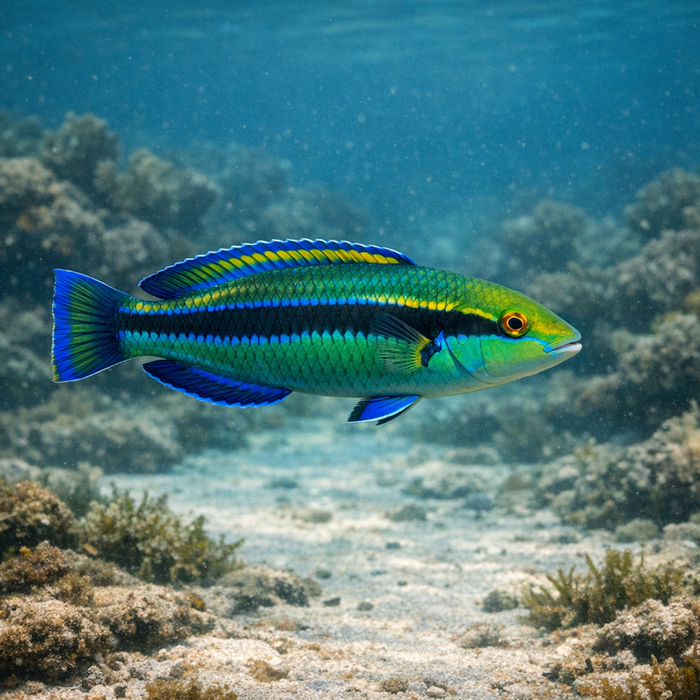
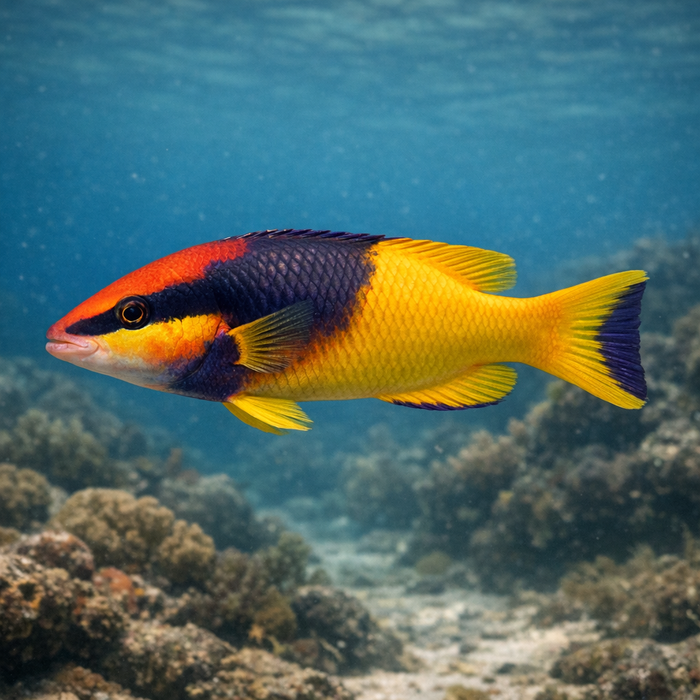
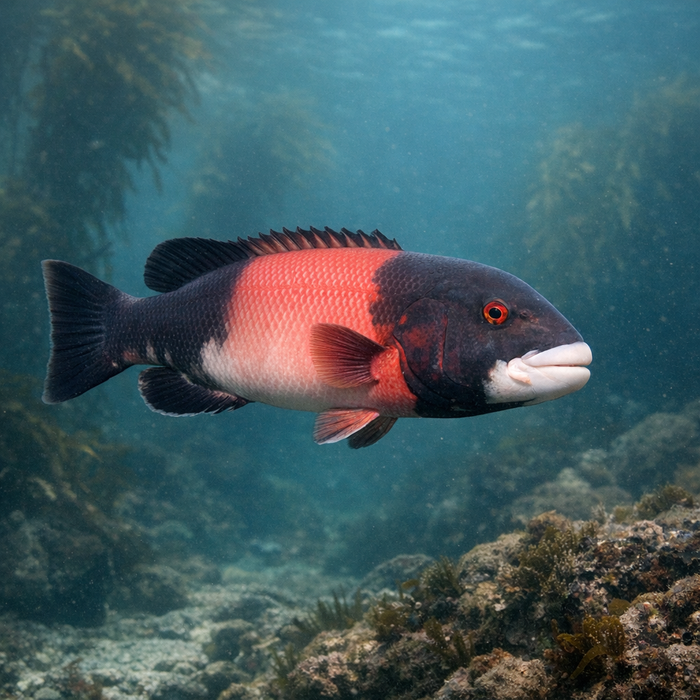
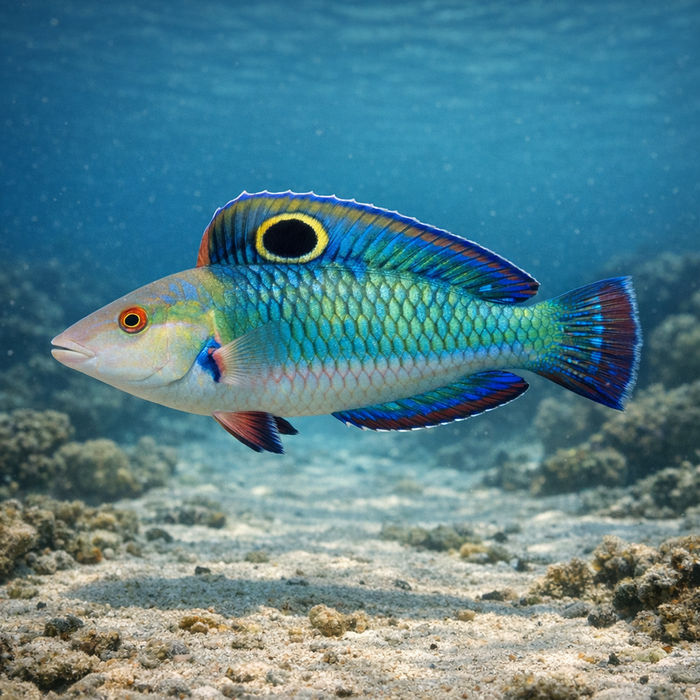
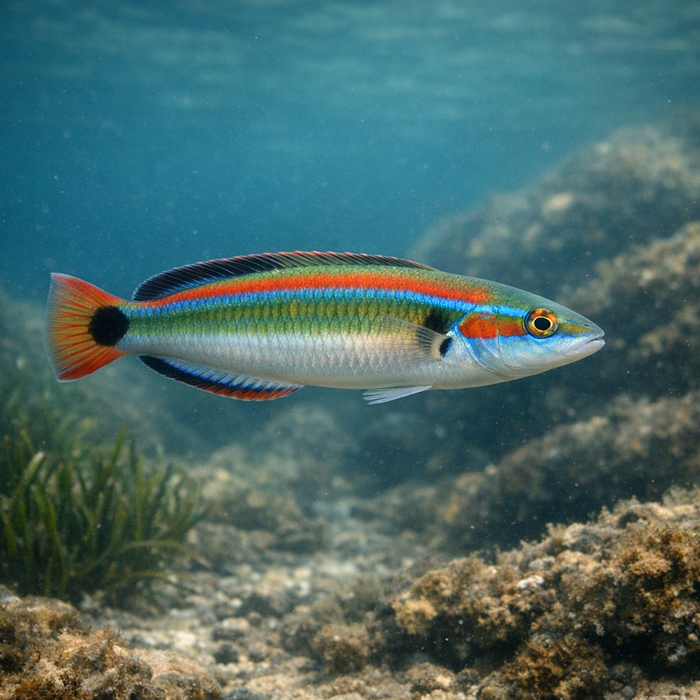
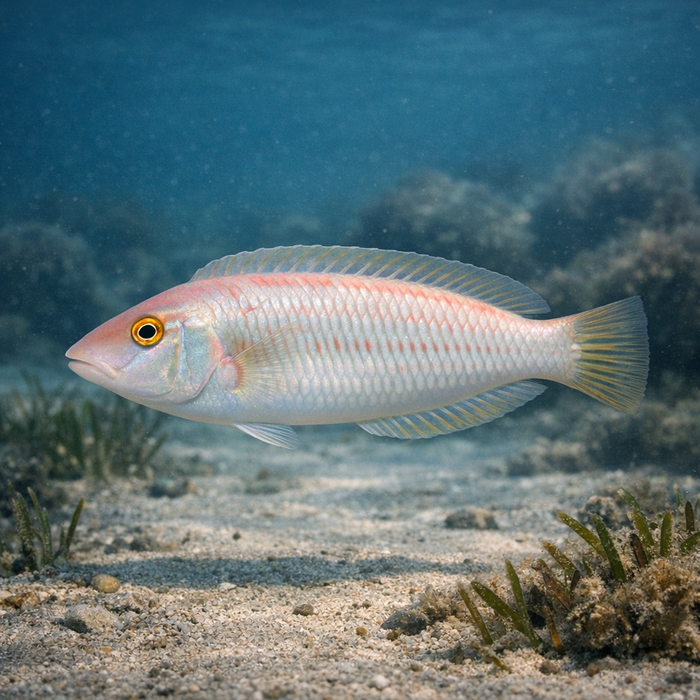
Yellowcheek Wrasse (Halichoeres cyanocephalus): A Bold, Memorable Hook LineIntroductionThe Yellowcheek wrasse is a pint-sized reef hustler with a face you can spot from ten feet away. That splash of sunshine on its cheek isn't for subtlety. On busy Caribbean reefs, this little labrid darts, digs, and vanishes into sand like a magic trick. For anglers, it's not a headline species, but if you've ever dropped a tiny piece of shrimp near coral and felt rapid-fire taps, you've likely met the Yellowcheek wrasse.What Makes the Yellowcheek wrasse Unique?Start with the branding. The scientific name literally nods to a blue head, yet the fish's signature is a yellow cheek patch. That contradiction sums up its vibe: vivid, restless, and hard to mislabel once you've seen it. Like many wrasses, it's a protogynous hermaphrodite, with some females transitioning to males as they grow dominant. Courting males fire off neon facial lines and chase short, skyward spawning sprints at dusk. The Yellowcheek wrasse also packs a hidden crusher set in its throat, a pharyngeal mill that smashes tiny crustaceans and mollusks with surprising force for such a small package.Habitat & Global RangeThe Yellowcheek wrasse thrives on shallow coral reefs, patch reefs, and coral-rubble seams, often near seagrass edges. Think 3 to 20 meters of clear tropical water, light surge, and endless nooks. Its stronghold is the Caribbean basin and adjacent tropical western Atlantic, including the Florida Keys, Bahamas, and reef-rich coasts of Central America and the Antilles. If you're looking for quick Yellowcheek wrasse habitat snapshots, picture sandy pockets between coral heads, mini alleyways around brain coral, and the outskirts of turtlegrass. It's a habitat generalist on the reef, switching between hard structure and adjacent sand like it owns both.Behavior & TemperamentDaytime is go-time. The Yellowcheek wrasse cruises in ones and twos or loose groups, picking invertebrates from cracks and flipping rubble like a tiny bulldozer. Bump it and it'll either rocket into a crevice or bury itself in sand so fast you'll question your eyes. It's curious but twitchy, prone to pecking a bait repeatedly rather than committing in one gulp. Dusk brings a change of pace, with brief, high-energy spawning rushes. Juveniles sometimes dabble in cleaning, nipping parasites off larger fish when the opportunity looks safe and profitable.Ecological ImportanceThis wrasse is the reef's maintenance crew. By chewing through small crabs, snails, and worms, it recycles nutrients and keeps micro-critters in check. Its sand-burying habit oxygenates micro-layers and stirs the buffet for other reef foragers. Spawning pelagic eggs feed planktonic food webs, and juveniles provide snacks for mid-tier predators. The Yellowcheek wrasse might be tiny, but it plugs into the reef economy everywhere it moves.Conservation & Environmental PressuresGood news first: the Yellowcheek wrasse is not a commercial target, and current assessments rate it as Least Concern. The real threats are habitat driven. Coral loss, algae overgrowth, sedimentation, and warming seas squeeze the shallow-reef mosaic this species needs. Localized collecting for the aquarium trade can add pressure if unmanaged, though this species isn't the poster child for that market. Marine protected areas and healthy water quality policies do more for the Yellowcheek wrasse than any bag limit ever will.The FishyAF TakeYou don't travel for a Yellowcheek wrasse, but you meet them where the fun is anyway. They're the color and motion around your snapper spot, the pecking bandits that make you downsize hooks and laugh at your own impatience. If you want fast action for kids, or you're a microfishing nerd logging species, the Yellowcheek wrasse delivers. For quick hits of Yellowcheek wrasse facts and Yellowcheek wrasse habitat intel, remember this: tiny baits, tiny hooks, tight to coral or rubble. It's not a trophy fish. It's a reef handshake. And sometimes that's exactly the kind of fishing day you need.