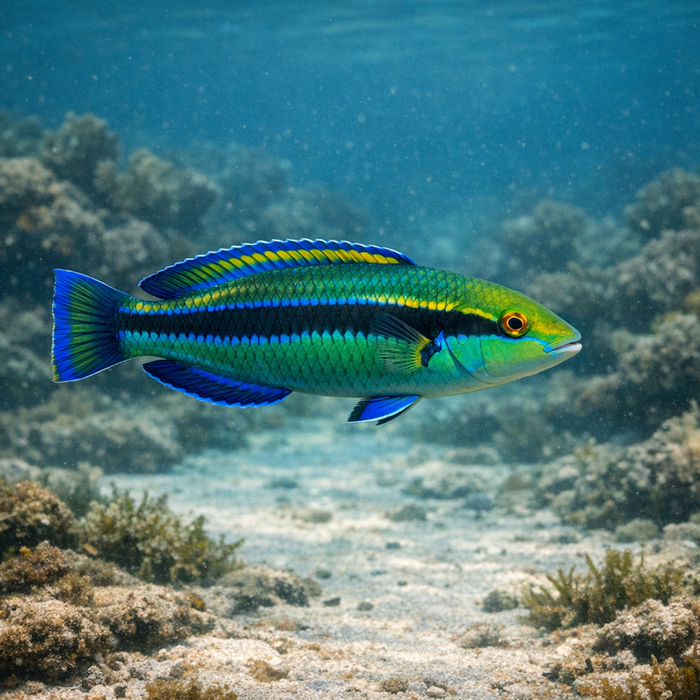
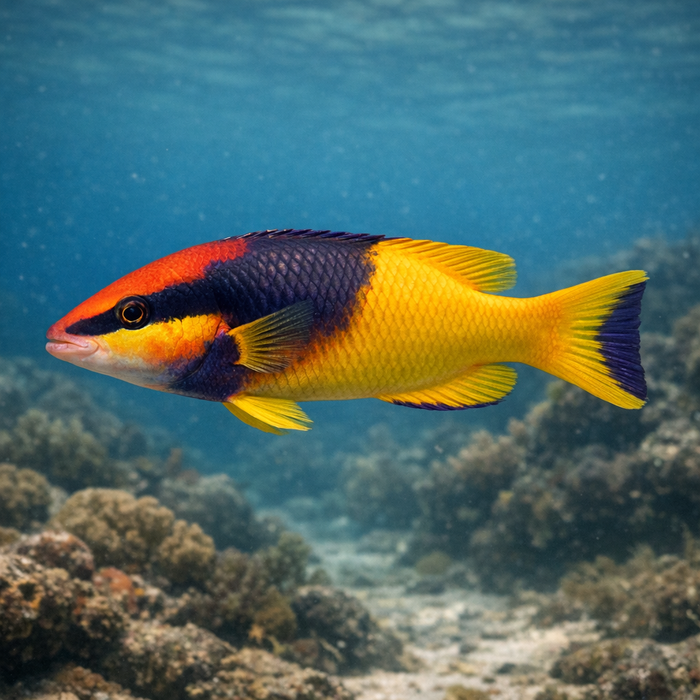
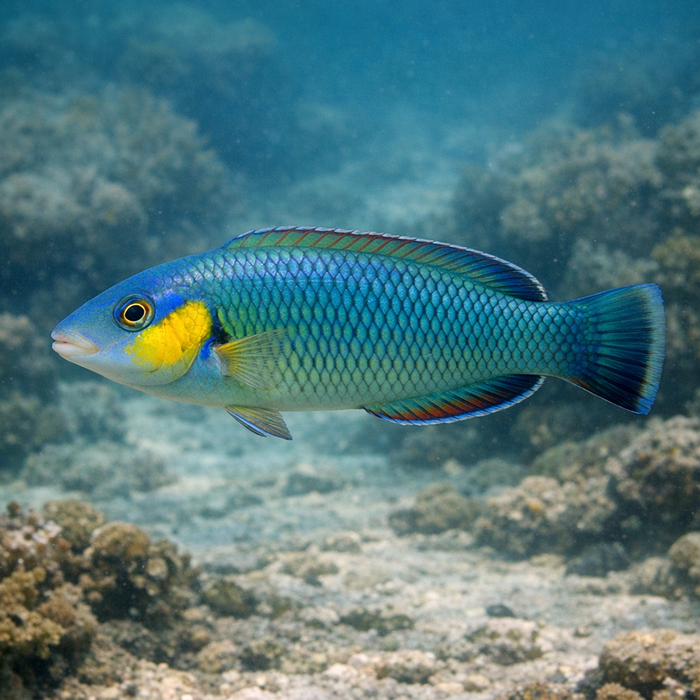
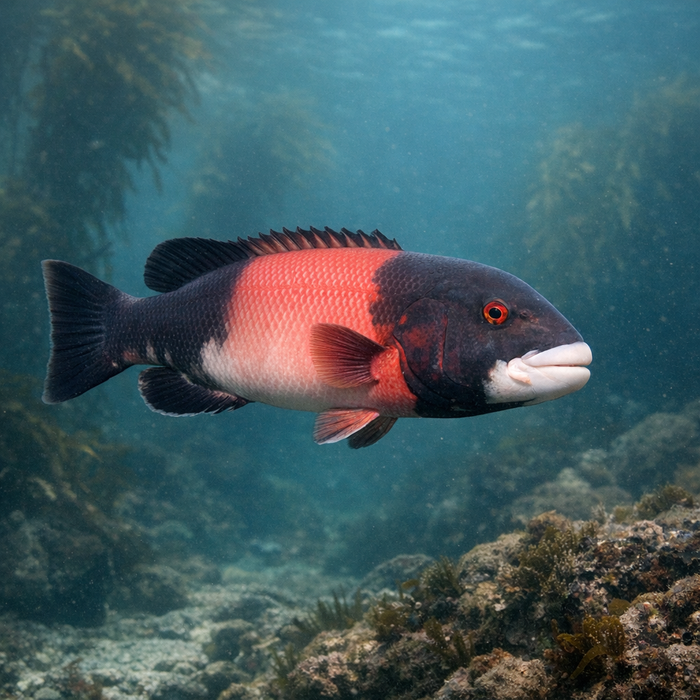
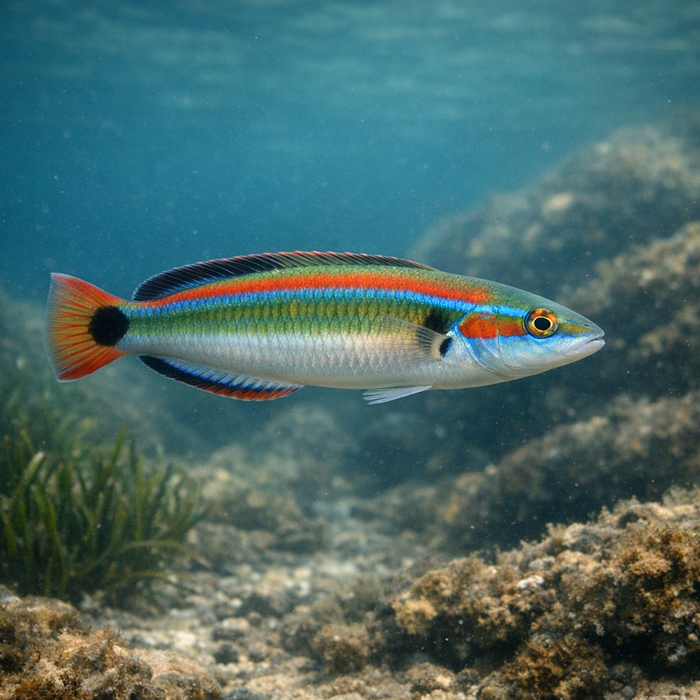
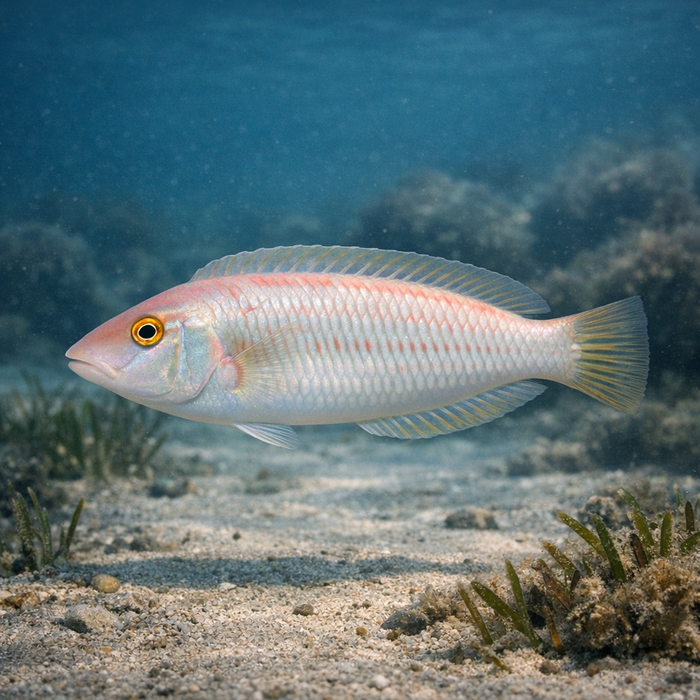
Peacock Wrasse (Iniistius pavo): A Bold, Memorable Hook LineIntroductionThe peacock wrasse is the flash of color you barely spot before it disappears in a sand explosion. This Indo-Pacific razorfish specializes in sleight-of-fin, turning solid ground into an instant hiding place. For anglers roaming coral flats and sandy lanes, it's a quirky, tough-to-fool target with personality miles beyond its modest size.What Makes the Peacock wrasse Unique?First, the sand-dive. Many wrasses tuck into crevices, but the peacock wrasse treats bare sand like a trapdoor. One headfirst kick and it's gone, eyes peeking from under the grit. Second, its shape and hardware are custom-built for that trick. The steep forehead cuts the substrate while tight scales shed friction, letting the fish submarine without a scratch. Third, it's a master of costume changes. Depending on age and mood, Iniistius pavo can flip patterns, display false eyespots, and ramp up color during courtship or turf disputes. For a palm-sized reef local, it brings an outsized bag of surprises.Habitat & Global RangePeacock wrasse habitat is the sandy margin between coral gardens and open lagoon. Think shallow reef flats, rubble lanes, and the soft-bottom troughs between bommies. It uses low, unobtrusive structure as a launchpad for quick forays onto clean sand. The species is scattered across much of the tropical Indo-Pacific, from East Africa and the Indian Ocean islands through Southeast Asia to the central Pacific. Depth-wise, it's mostly a snorkeler's fish, often in a few feet of water and rarely deep by sportfishing standards.Behavior & TemperamentSkittish? Absolutely. The peacock wrasse is daylight active, nose-down, and hyper-alert. It stalks tiny crustaceans and mollusks along sand corridors, then bounces back to safety. When spooked, it doesn't bolt far. It simply vanishes beneath the surface like a coin dropped in water. At night, it often sleeps buried. Socially, like many wrasses, it's protogynous: females can transition to males, which explains the variety of shapes and color phases you might see in one spot. Fights are short. If hooked, the fish tries one dramatic dive, so a fast lift and steady pressure beat finesse every time.Ecological ImportanceThis is a classic middle-of-the-food-web predator. The peacock wrasse helps thin out small crabs, shrimps, and hard-shelled invertebrates using powerful pharyngeal jaws. In turn, larger reef hunters view it as snack-sized protein. By working the sand fringe around coral, it links the bustling reef with the quieter flats, ferrying energy between habitats. That edge zone is where lots of reef life begins and ends, and the wrasse's constant patrolling keeps that micro-neighborhood dynamic and balanced.Conservation & Environmental PressuresAs a species, Iniistius pavo is not topping any global worry lists, but its backyard certainly is. Coral loss, coastal development, and sediment-choked lagoons shrink the clean, oxygenated sand it needs. Overcollecting for ornamental trades is not a major headline here, yet localized pressure and careless handling can chip away at numbers. Marine protected areas and community reef management help. For anglers, that means more places where catch-and-release or no-take rules apply. Respect the signs, skip the heavy footprints on fragile flats, and keep this little sand diver thriving.The FishyAF TakeChasing a peacock wrasse is like trying to out-bluff a magician. You get one look, one cast, and if you blink you're staring at empty sand. It's not about size. It's about reading micro-structure, easing in on calm water, and landing a bait within a teacup-sized window before the fish ghost-dives. If you want bragging rights that actually impress reef nerds, post your clean, barbless, quick-release photo and drop a few real Peacock wrasse facts in the caption. It's small game with big style, and that's our kind of weird.