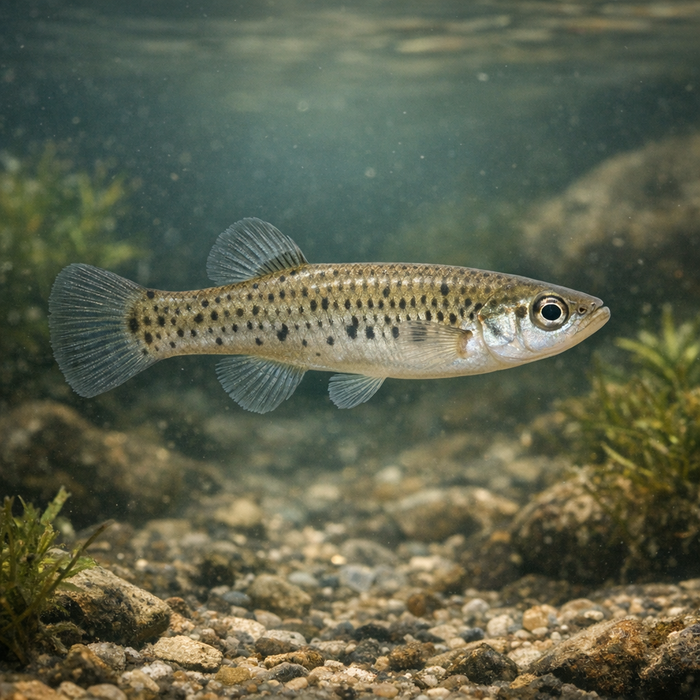
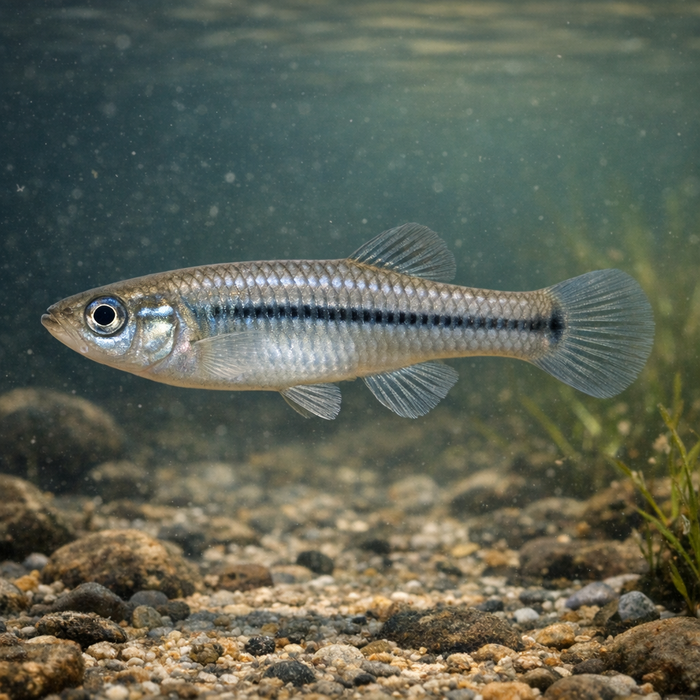
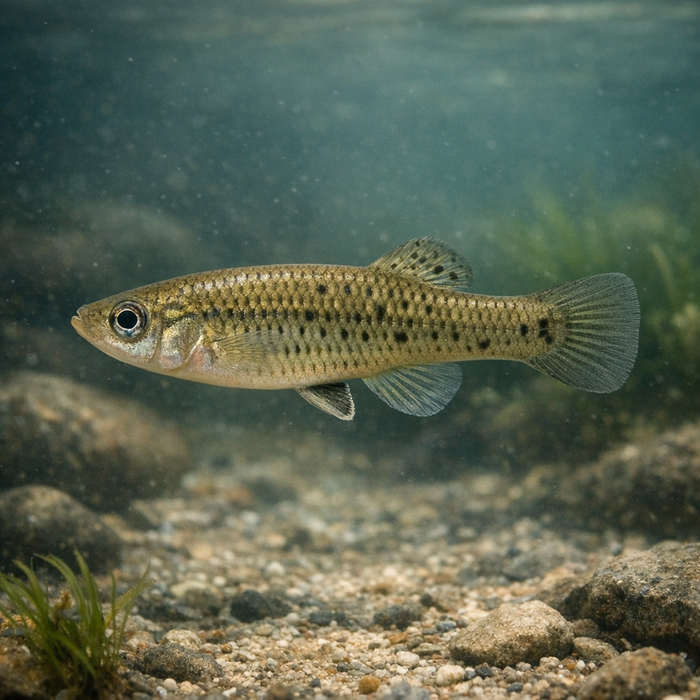
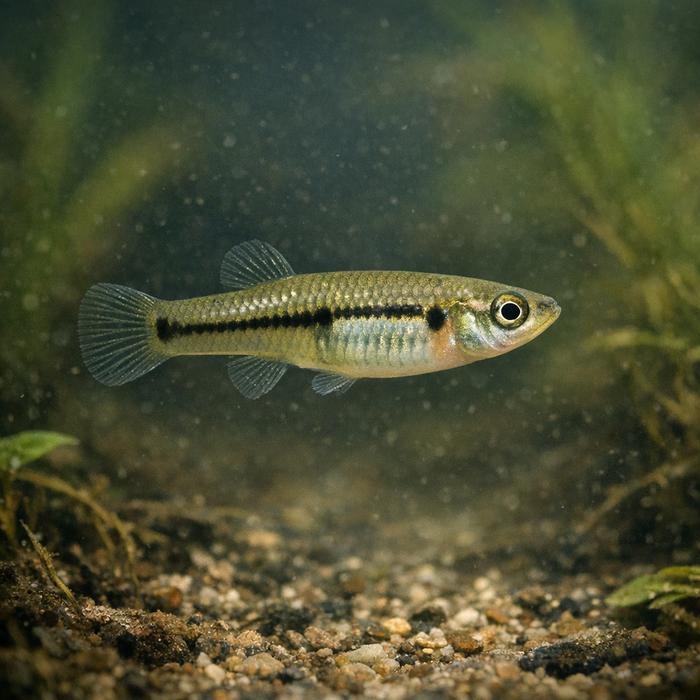
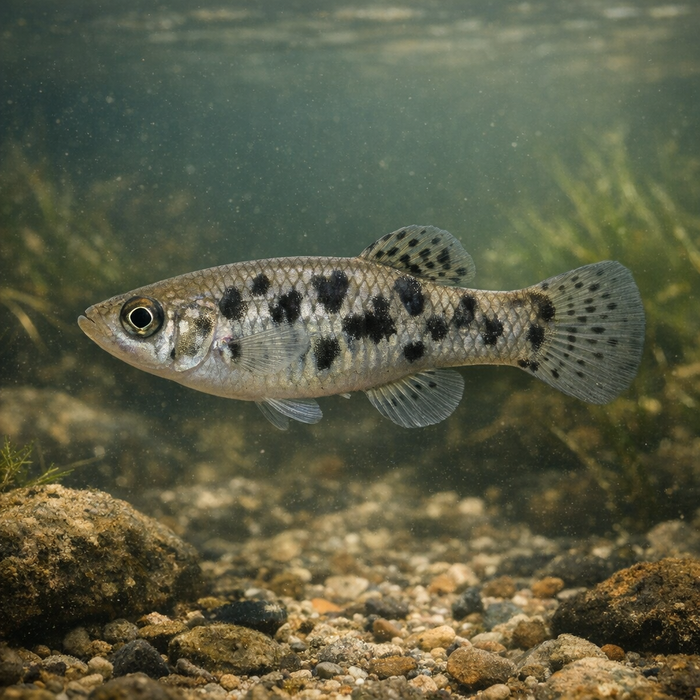
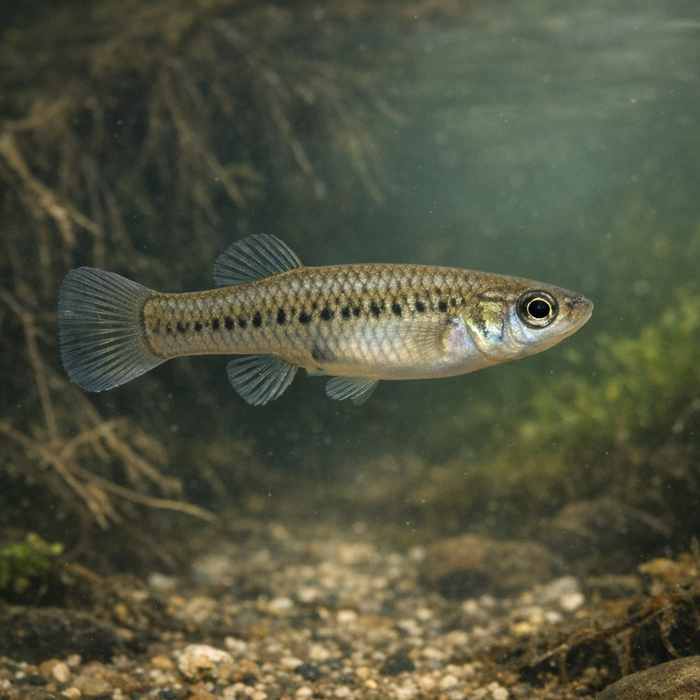
Broadspotted Molly (Poecilia latipunctata): A Bold, Memorable Hook LineIntroductionIf you think micro fish are boring, you haven't met the broadspotted molly. This little livebearer rolls through clear creeks with billboard-sized blotches down its sides and an attitude that says grazer by day, opportunist by whenever-else. For anglers who love precision and sight fishing, this species turns tiny water into a legit playground. Consider this your fast pass to real-deal Broadspotted molly facts without the aquarium-forum rabbit holes.What Makes the Broadspotted molly Unique?Start with the paint job. Unlike peppered mollies, the broadspotted molly carries big, round lateral blotches that look hand-stamped. Females are the tanks, often outgrowing males by a noticeable margin, while males sport a sharp gonopodium for internal fertilization. It is a short-fin molly, so forget the giant sail dorsal of its flashy cousins; this fish is built for stealth cruising and nonstop grazing. Spot intensity can shift with mood and light, which makes them a fun test for your eyes when you are scanning under ripples.Habitat & Global RangeThe broadspotted molly is a freshwater specialist that thrives in warm, spring-fed creeks, slow rivers, and quiet backwaters with vegetation, rock, and honest-to-goodness sunlight. Think gentle flow, carbonate-rich water, and a buffet of algae and micro-invertebrates. While some mollies toy with brackish edges, this species really shines in clean, inland habitats where groundwater keeps temperatures stable. If you are scouting unknown water, look for clear runs feeding into pools, pea gravel, and plant edges. That's prime Broadspotted molly habitat.Behavior & TemperamentThey are constant nibblers, scraping biofilm and opportunistically plucking drifting bits. Juveniles bunch into tight schools for safety, while adults loosen the formation and hang near cover or plant shadows. Spawning happens frequently in warm months, so you will see size classes stacked in the same pocket water. They are not bullish; spook pressure matters, but they settle quickly if you stand still and keep your shadow off the target lane. Hooking one on micro tackle is about precise placement and soft hands, not brute force.Ecological ImportanceBroadspotted molly herds algae and biofilm into calories, then kicks those calories up the food chain via predators that actually bend rods. In the micro world, it is a keystone recycler, turning sunlight and scum into fish biomass. Frequent livebearing means fast population turnover, which buffers small creeks against dips and helps stabilize the forage base for everything from cichlids to juvenile gamefish.Conservation & Environmental PressuresCreeks that grow broadspotted mollies are often spring-influenced and sensitive. Groundwater pumping, pollution, and riparian abuse can flip water chemistry fast. Add hybridization risk where other Poecilia species mingle, and clean identification becomes a headache. Regulations differ, and some springs are off-limits or require permits for collecting or transport. When in doubt, treat these creeks like specialty fisheries: watch your step, keep the banks clean, and don't shuffle invasive plants or fish between waters.The FishyAF TakeThe broadspotted molly is the fish that turns a coffee break into a mission. It rewards patience, sharp eyes, and absurdly small hooks. No, it will not empty your spool. But if your idea of fun is threading a size 26 hook into a hand-sized strike window beneath a ribbon of current, this species brings it. Call it a gateway to microfishing obsession and a reminder that finesse skills matter. Learn on this fish, and your bigger-game presentations get tighter. That is the smart play, and that is why this unassuming grazer earns a slot in our book.