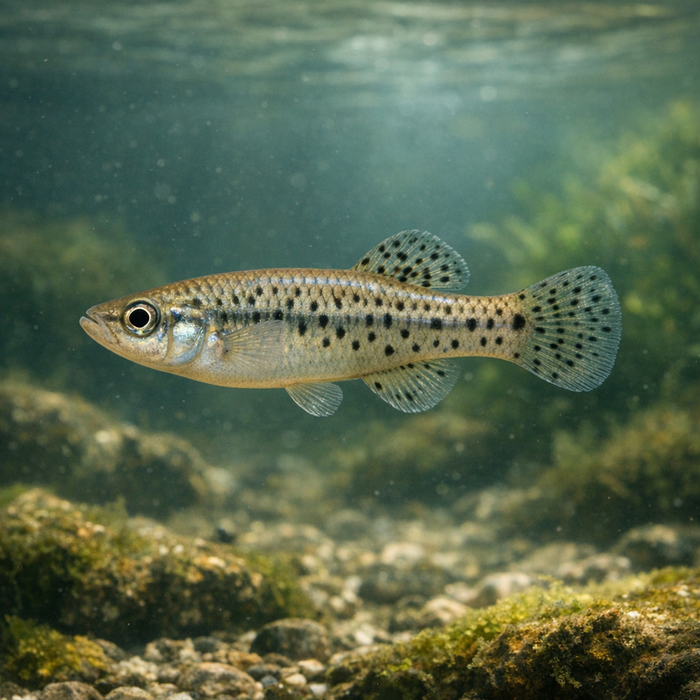
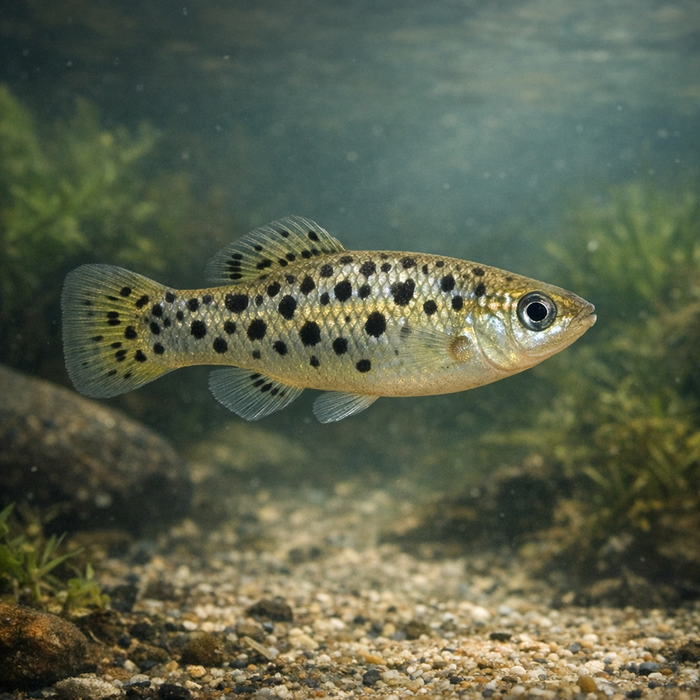
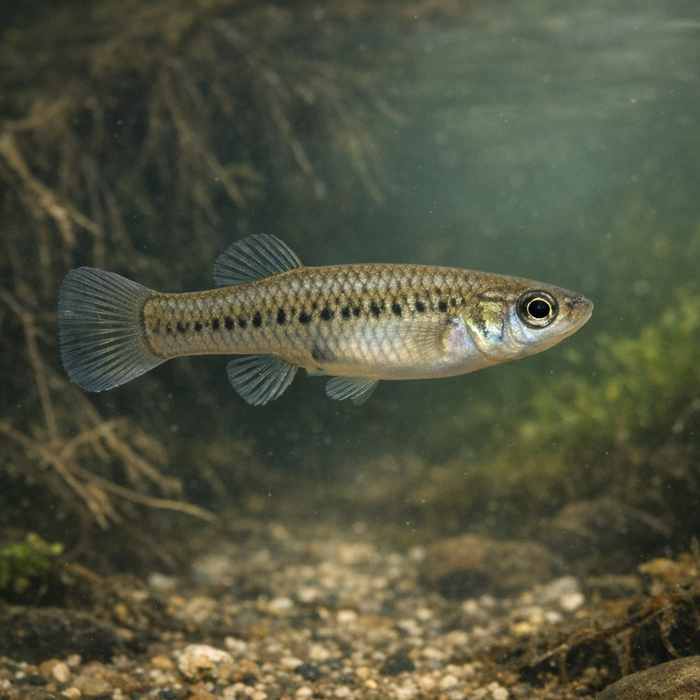
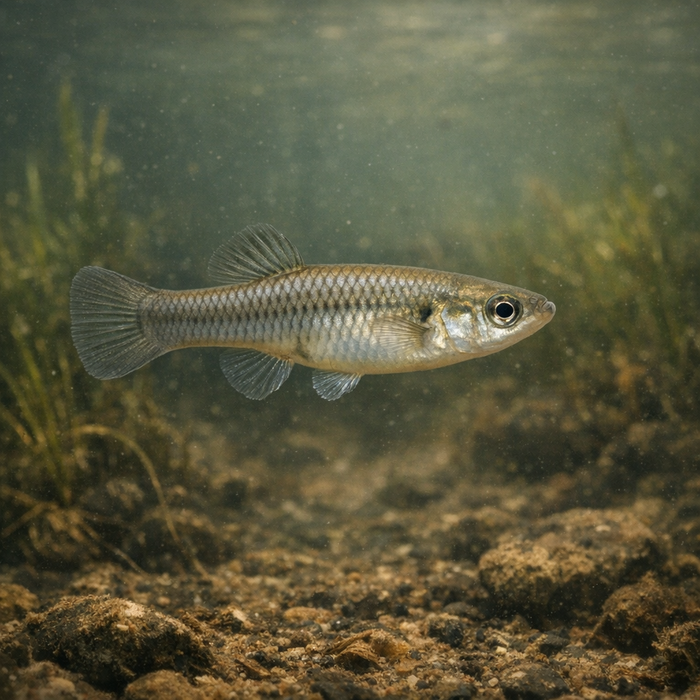
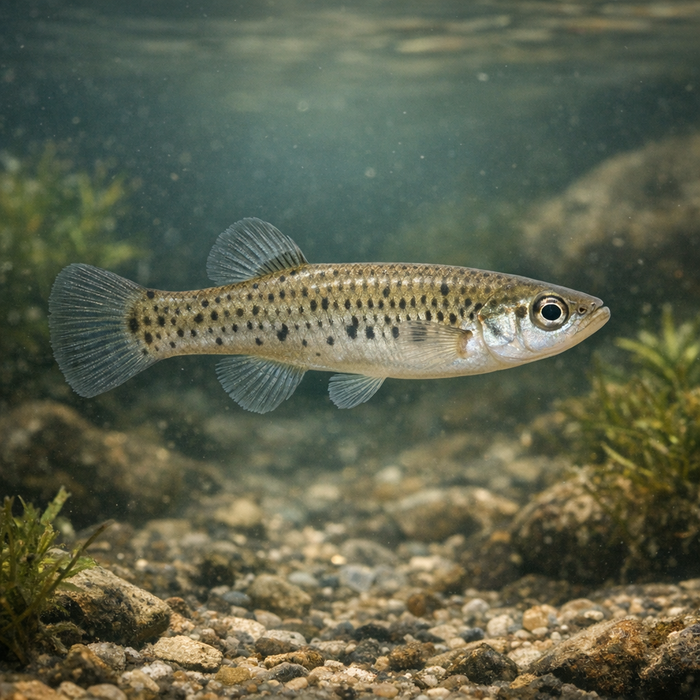
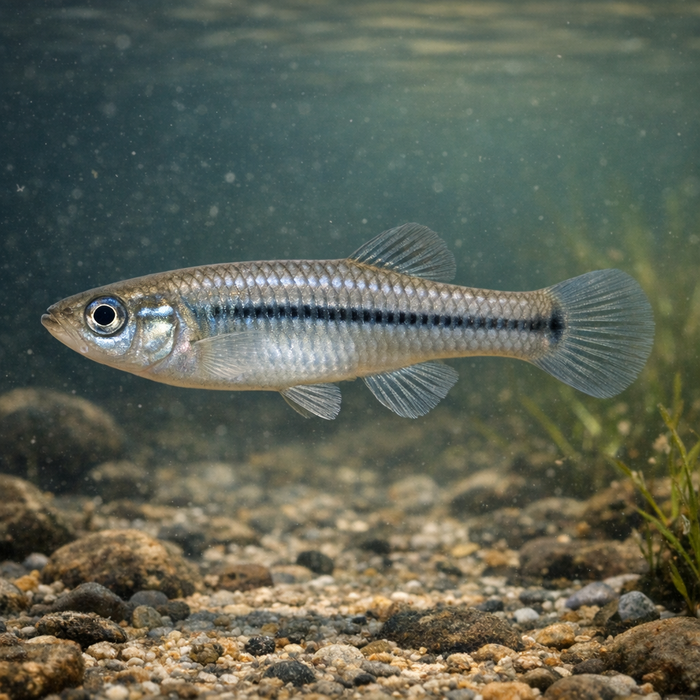
Least Killifish (Heterandria formosa): Pocket-Size Livebearer With Outsized AttitudeIntroductionThe least killifish might be tiny, but this little livebearer punches way above its weight. Blink and you'll miss it ghosting through grass-choked shallows, then suddenly it's hammering a midge larva like a mini torpedo. If you're into microfishing, the least killifish is equal parts finesse challenge and biology nerd's dream. For everyone else, this species is a reminder that greatness in fishing isn't always measured in pounds and inches.What Makes the Least killifish Unique?Start with scale: the least killifish ranks among the smallest livebearing vertebrates on the planet. Females often top out around an inch and a half, while males barely clear a paperclip. It doesn't dump one big brood either. Thanks to superfetation, females carry multiple broods at different stages and "drip-birth" fry one at a time over days. That assembly line strategy keeps the population humming even in sketchy puddles. Add in a placenta-like nutrient transfer to embryos, and you've got a livebearing system that would make a mammal nod in approval.Habitat & Global RangeIf there's a postcard for Least killifish habitat, it's a weedy ditch or tea-colored swamp in the Southeast. Think cane-lined ponds, sluggish creeks, backwaters, and brackish tidal ditches from the Carolinas through Florida and along the Gulf states into Texas. They excel in inches-deep water, hugging the surface film and weaving through grass blades like they own the place. Flooded roadside ruts after summer storms? Prime real estate. They're not picky about salinity either, routinely turning up where freshwater kisses estuary.Behavior & TemperamentDespite the name, these fish aren't timid. The least killifish stalks micro-prey with quick snaps and short dashes, often right under the surface meniscus. Groups loosely school around cover, especially stemmy vegetation and leaf litter. Males are all business, flaunting a needle-like gonopodium and zipping in close for internal fertilization. Fighting one on rod and line is more ballet than brawl, but the hookset demands surgeon-level precision. The best action typically comes in warm light windows when midges, mosquitoes, and other tiny invertebrates are partying topside.Ecological ImportanceCall it a mosquito-control specialist. The least killifish hoovers larvae in shallow nursery zones where bigger fish can't cruise. In turn, it feeds a pile of wading birds, small sunfish, and larger killifish. It's a keystone in the micro-food-web of ditches and backwaters, converting bug biomass into bite-sized protein that moves energy up the chain. Because it tolerates marginal water, it's often one of the first fishes to recolonize disturbed spots after floods or droughts.Conservation & Environmental PressuresGood news first: the least killifish is listed as Least Concern, and it's widely distributed across the Southeast. The worries are local and sneaky. Herbicide blasts that flatten shoreline weeds, flashy stormwater that yo-yos water levels, and low-oxygen events can erase whole pockets. Ditch "maintenance" that removes every last stem of cover is basically eviction day. On the flip side, this species is tough. Its reproductive trick bag and shallow-water flexibility help it rebound quickly when conditions improve.The FishyAF TakeThe least killifish is proof that fishing fun scales down just fine. Want "Least killifish facts"? Here's the big one: you don't need a boat, a budget, or a biceps curl to enjoy them. A tiny hook, a sliver of worm, and a grassline are your whole playbook. Learn the least killifish habitat, and you'll start seeing life in places everyone else splashes past. It's delicate sight fishing that sharpens your presentations and your appreciation for the weird, wet edges of the world. Catch one and you'll get it; catch a dozen and you'll never walk by a ditch the same way again.