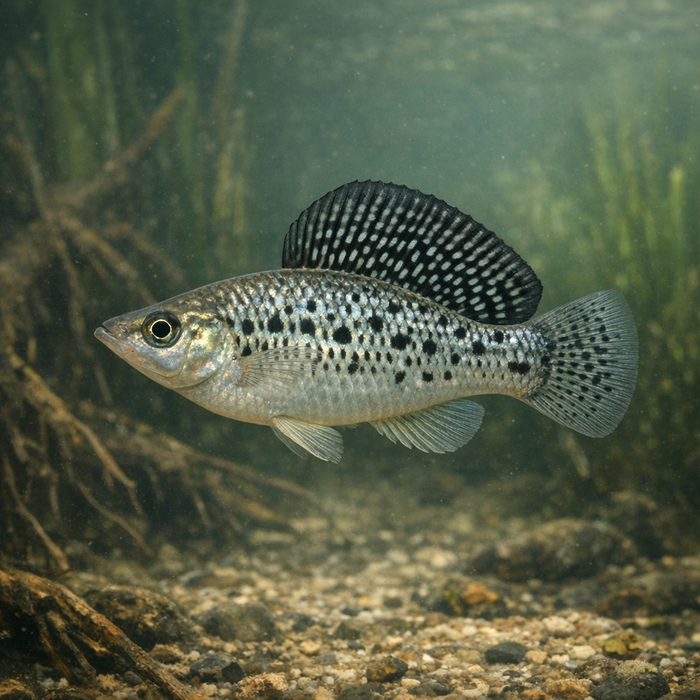
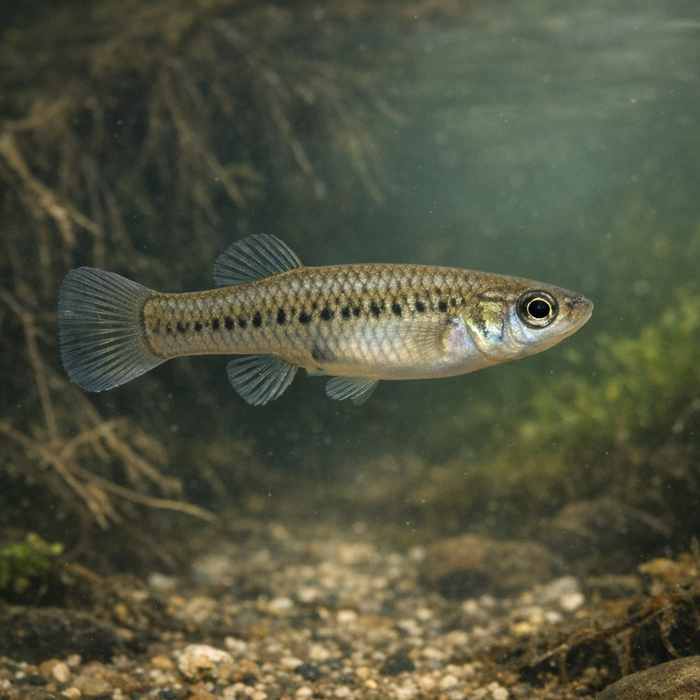
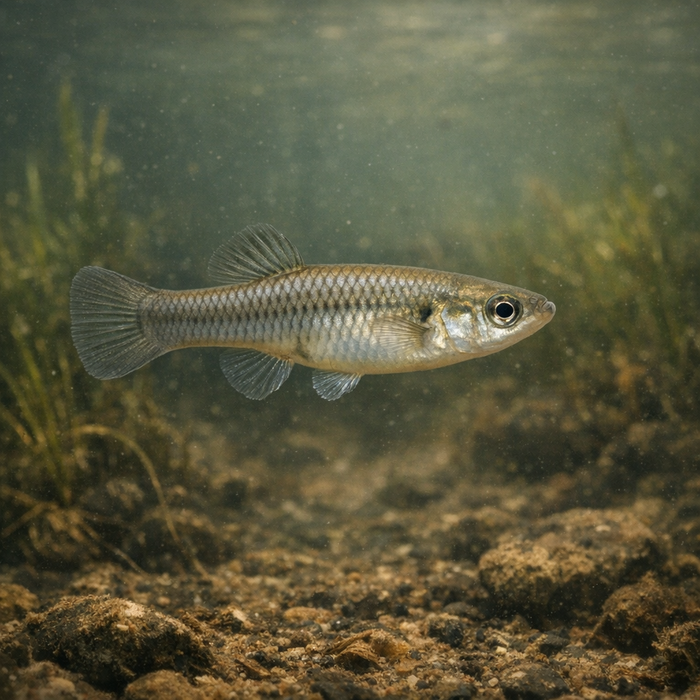
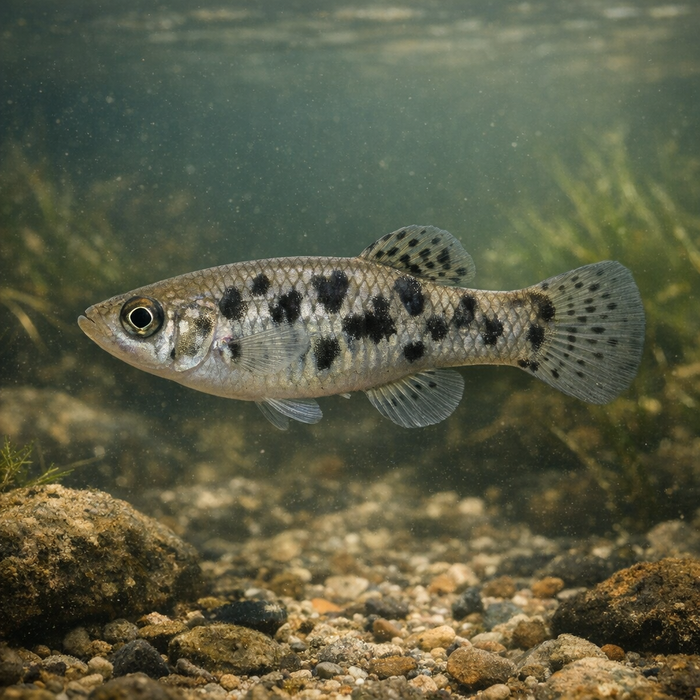
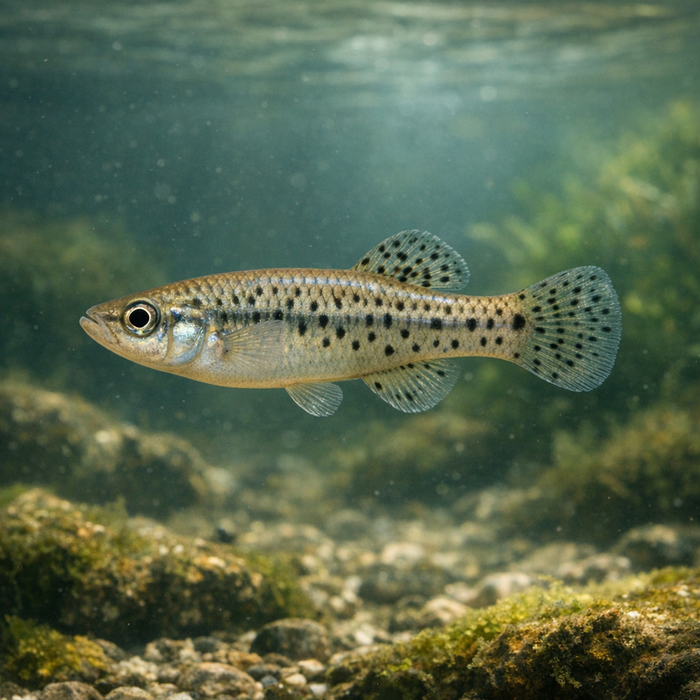
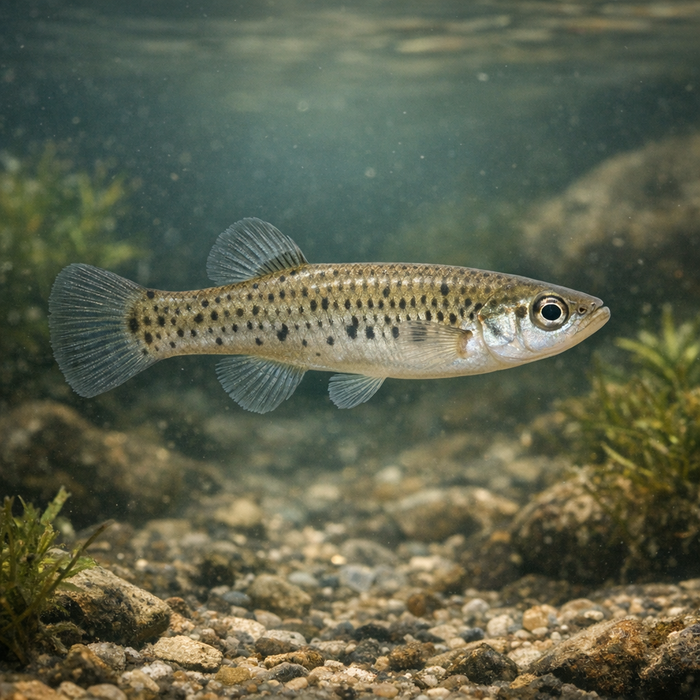
Amazon Molly (Poecilia formosa): The all-female fish that clones herself and still goes on datesIntroductionYou want weird? The Amazon molly has you covered. This pint-sized livebearer is entirely female, hijacks mating without taking the male's DNA, and turns weedy ditches into nurseries. It's not a classic gamefish, but for micro anglers and curious naturalists, the Amazon molly is a masterclass in odd biology and sneaky adaptability. If you came looking for Amazon molly facts or Amazon molly habitat tips, pull up a stool.What Makes the Amazon molly Unique?Start with the headliner: Amazon mollies reproduce by gynogenesis. They must mate with closely related molly males, but the male's genetic material gets ignored. The mating only flips the developmental "on" switch and the offspring are clones of mom. How did this circus act start? The species originated from an ancient hybridization between the Atlantic molly and the sailfin molly, then locked into a clonal groove that's been running for thousands of years. Add in livebearing litters, sperm storage, and you get a fish that multiplies fast whenever warm water and weeds align. No surprise microfishers love them.Habitat & Global RangeThe Amazon molly is a warmwater specialist from southern Texas into northeastern Mexico, thriving in slow, shallow, plant-choked waters. Think resacas, canals, backwaters, and quiet creeks with soft bottoms, leafy mats, and algae pastures. They tolerate a range of clarity and can handle slightly brackish edges, especially where freshwater seeps into coastal systems. In short, if it's sun-warmed, sluggish, and green, the Amazon molly is probably working it. That's the snapshot version of Amazon molly habitat.Behavior & TemperamentDespite the wild genetics, behavior is pretty chill. Schools drift along edges nibbling algae and tiny invertebrates. They're not brawlers. Hook one on micro gear and you'll get a brief jittery wiggle, not a sleigh ride. They're also opportunists, feeding through long daylight windows with minor spikes at first and last light. Courtship is borrowed from neighboring molly species; females gravitate to male activity hotspots, ready to flip that developmental switch when the timing suits them.Ecological ImportanceThe Amazon molly is a small but mighty link in the food web. It converts algae and microfauna into protein packets for wading birds, bass, gar, and anything else patrolling the salad bar. Dense schools help tidy up surface films and periphyton, nudging water clarity and nutrient flow in shallow systems. As a clonal fish, it's also a living laboratory for scientists probing evolution, hybridization, and persistence without sex-driven genetic reshuffling. Wild, yes. Pointless, no.Conservation & Environmental PressuresThe species is listed as Least Concern and does well in the right habitat. That said, it's sensitive to cold snaps and thrives best in clean, vegetated, low-flow water. Urban runoff, ditch maintenance, and sudden salinity or temperature swings can hammer local pockets. Because they rely on other molly species to trigger reproduction, disruptions to those communities ripple directly into Amazon molly numbers.The FishyAF TakeIs the Amazon molly a bucket-list slugger? Nope. But it's a perfect microfishing target and a conversation-starting oddball. Clip a size-26 hook, flick a bread crumb under the weeds, and you're playing in a centuries-old evolutionary experiment. For anglers who appreciate nuance over brute force, the Amazon molly delivers. It's small, clever, resilient, and just strange enough to make you feel smarter for noticing.