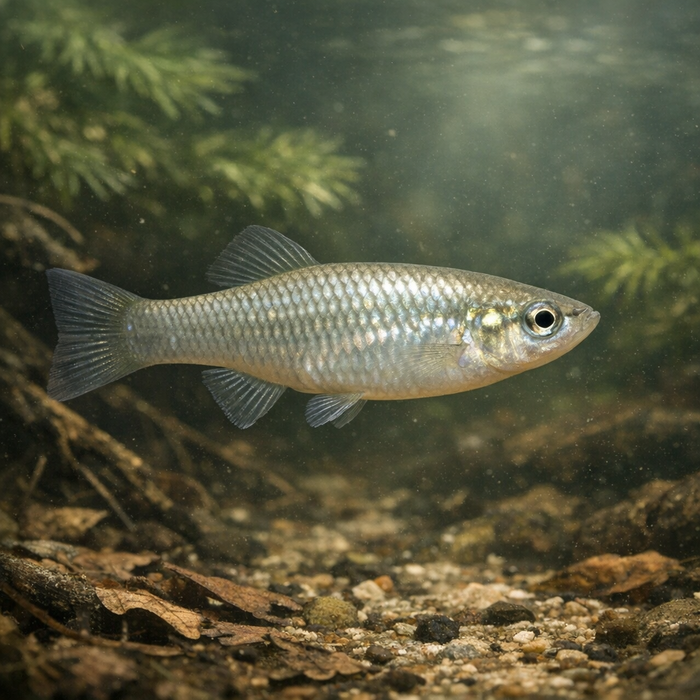
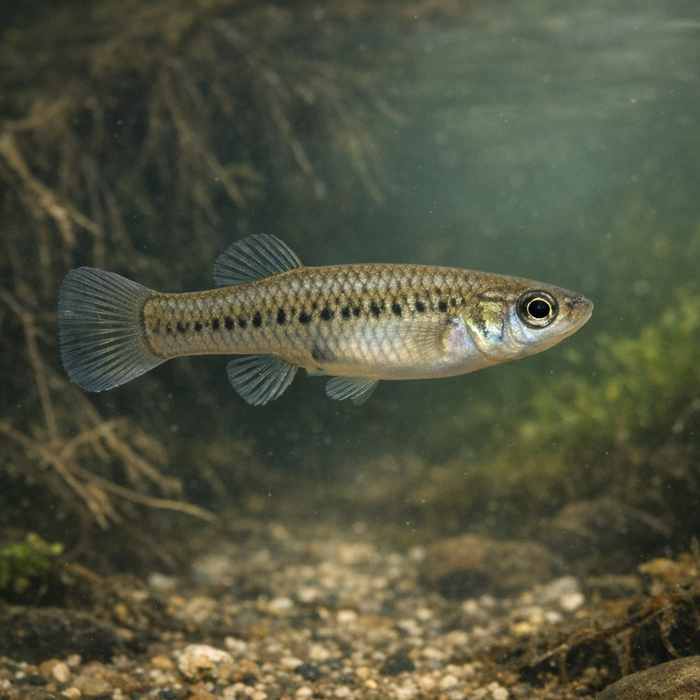
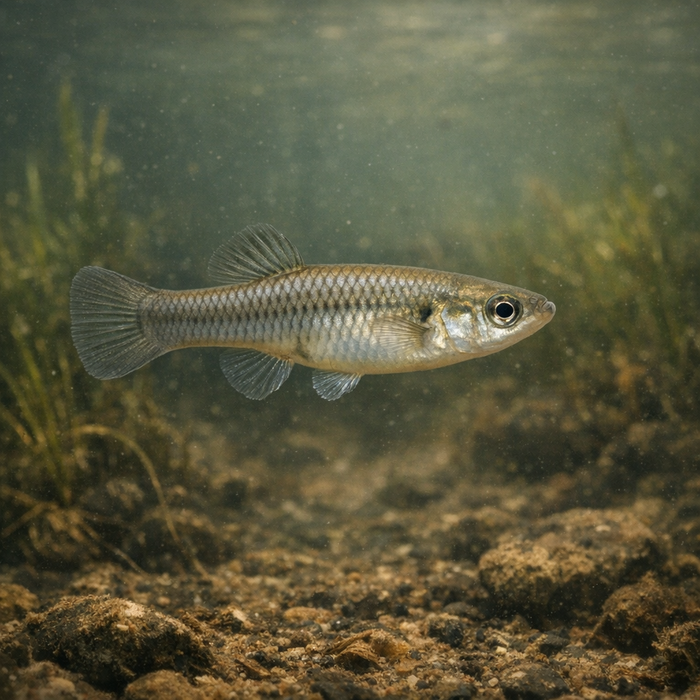
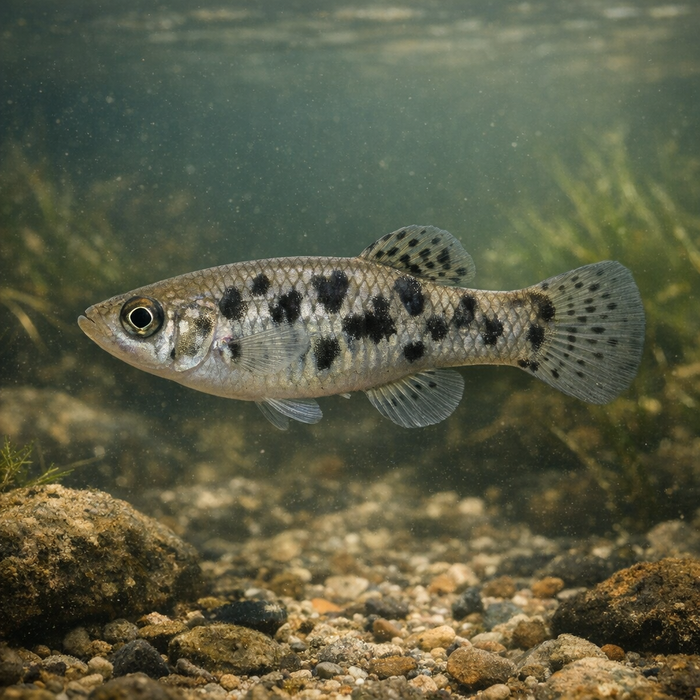
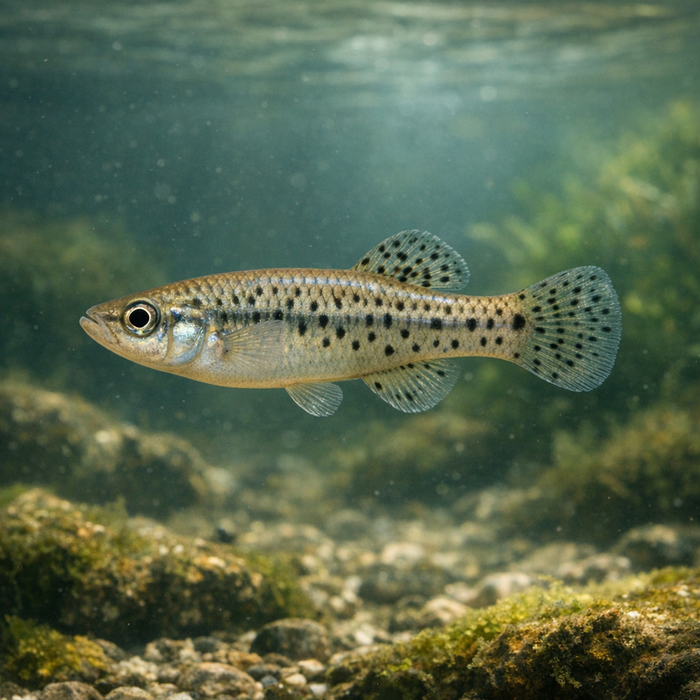
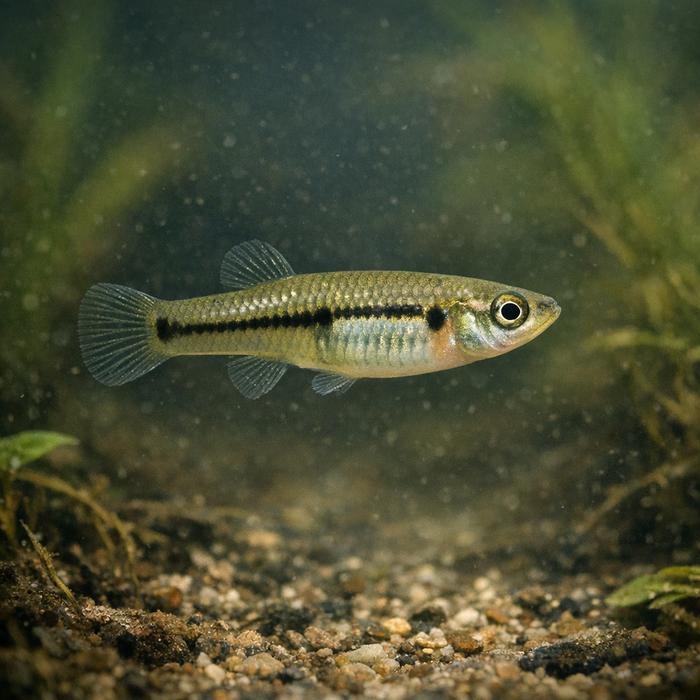
Sailfin Molly (Poecilia latipinna): A Bold, Memorable Hook LineIntroductionThe sailfin molly is proof you don't need a monster to have personality. This tiny livebearer carries a dorsal fin like a battle flag and thrives where other fish would bail. Think sunbaked ditches, mangrove puddles, and brackish edges that smell like a biology experiment. If you want micro-fishing with attitude, the sailfin molly delivers.What Makes the Sailfin molly Unique?Two things stand out fast: the dorsal "sail" on the males and a tolerance portfolio that's borderline absurd. Males hoist a tall, rectangular fin and strut with a sidewinding courtship dance like they're auditioning for a parade float. The species also shrugs at salinity swings. This is a fish that can sip freshwater in the morning and handle near-seawater by afternoon. Add livebearing reproduction with frequent broods and you've got a prolific, resilient little unit. If you came here for Sailfin molly facts, start with this: they make tough environments look easy.Habitat & Global RangeThe sailfin molly is classic edge habitat. Picture grassy margins, mangrove roots, marsh ditches, and calm backwaters with sunlight, warmth, and green stuff to graze. It's a quintessential brackish resident across the Southeast and Gulf Coast, also upstream in low-flow freshwater ponds and canals. Tide movement and seasonal rains shift their hangouts a few yards at a time rather than miles. In truly soupy water they'll surface-gulp air and keep on snacking. Ask about Sailfin molly habitat and the answer is simple: warm, shallow, and alive with cover.Behavior & TemperamentCompared to sportfish, sailfin molly behavior is mellow. They school loosely, graze constantly, and make short darts for tiny invertebrates. Males posture and flash the sail to win mates, sometimes sparring with shoves more than bites. They aren't spooky like bonefish, but sudden shadows or ripples will scatter them a few feet. Feeds are visual and frequent. Expect surface sipping under still conditions, especially near floating algae mats or sunny pockets out of the breeze.Ecological ImportanceThis fish is an unsung workhorse. As omnivores that graze algae and nip micro-inverts, sailfin mollies recycle nutrients and keep mats from choking shallows. Their fry are bite-size energy packets for wading birds and larger fish. In mosquito-prone wetlands, dense molly populations help dent the larvae buffet. It's not glamorous, but it's crucial. A thriving sailfin molly population usually means warm, productive shallows are doing their thing.Conservation & Environmental PressuresGlobally, the sailfin molly sits comfortably as Least Concern, and its adaptability is legend. Still, it's not bulletproof. Chronic pollution, herbicide-heavy shoreline clearing, and habitat hardening beat up the vegetated edges this species relies on. Salinity extremes beyond even their range, sudden winter cold snaps at the northern edge, and aquarium-release hybrids muddying genetics can all complicate local populations. Keeping wetlands connected and vegetated does more for this fish than any hatchery plan ever could.The FishyAF TakeThe sailfin molly isn't a grip-and-grin headliner. It's the fish you catch when you want to scout a marsh's heartbeat, teach a kid to cast, or scratch the micro-fishing itch between tides. Bring a tiny float, a pinch of bread, and a sense of humor. You'll learn more watching ten mollies feed than burning gas chasing ghosts. Small package, big attitude. That's the sailfin molly, and it absolutely earns its keep.