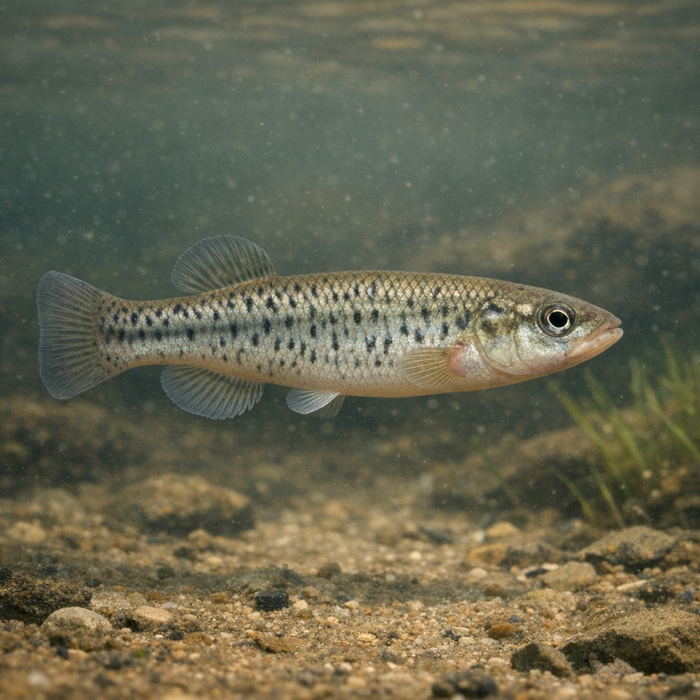
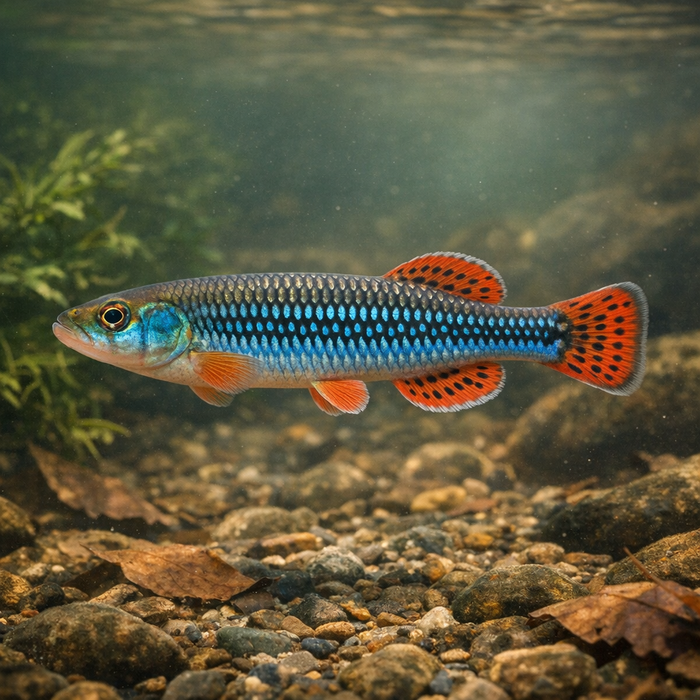
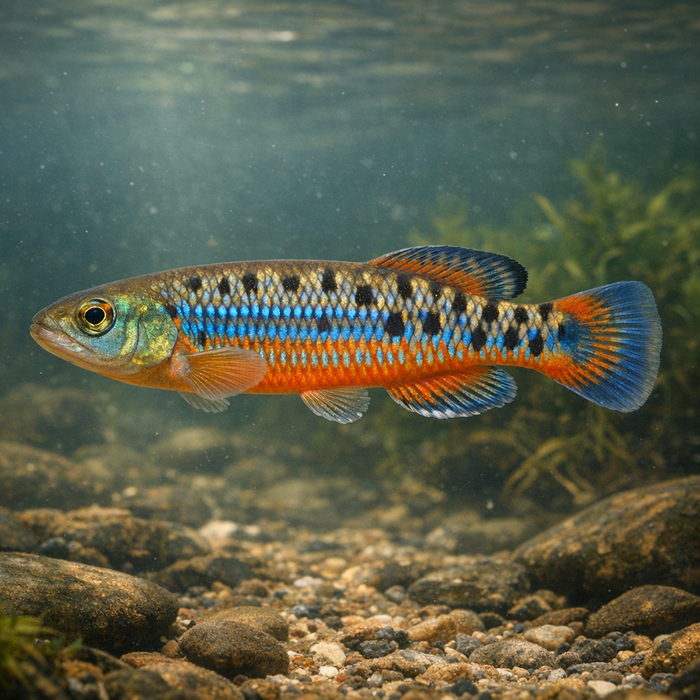
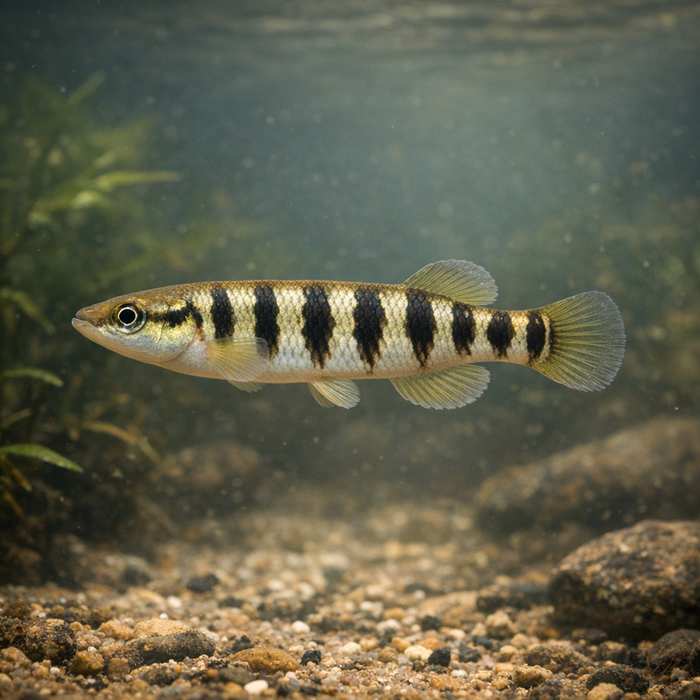
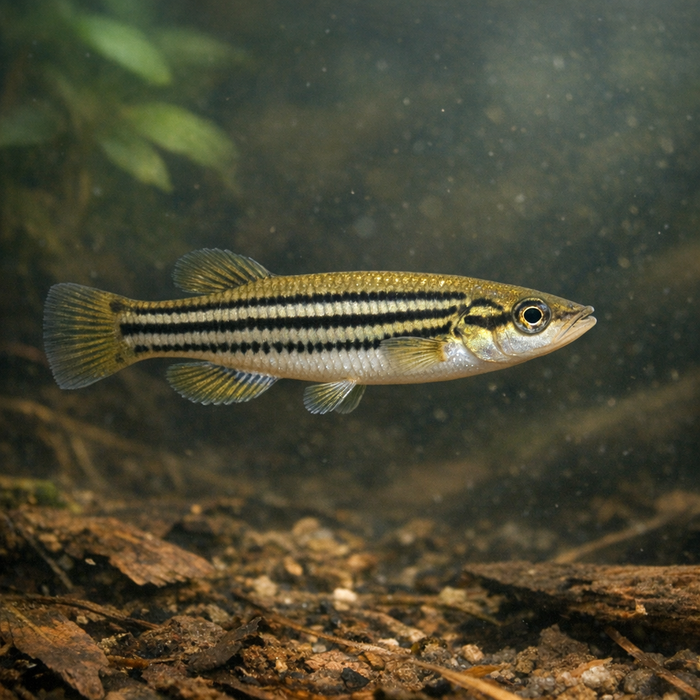
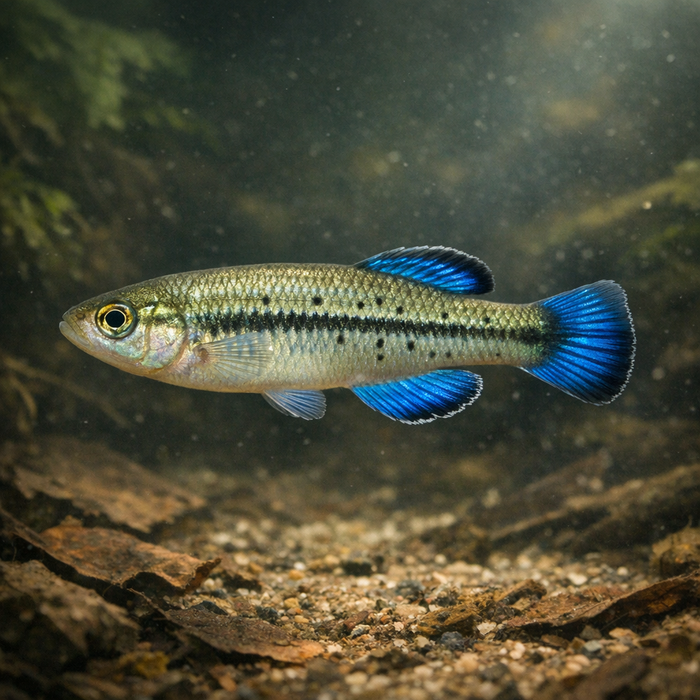
Broadstripe topminnow (Fundulus euryzonus): A Bold, Memorable Hook LineIntroductionIf you want to flex your fish ID skills and your finesse game at the same time, the broadstripe topminnow is your target. It's a tiny surface skimmer with a paint-thick lateral stripe and a personality that punches way above its size. Micro, yes. Forgettable, not a chance.What Makes the Broadstripe topminnow Unique?First, the look. That bold, wide side stripe is the calling card. Plenty of topminnows wear a line, but this one is billboard-wide, giving the fish a crisp, high-contrast profile even in tannic water. Second, the engineering. An upturned mouth and streamlined shape let it cruise just under the surface film, picking off insects with sniper precision. Third, attitude. Despite topping out at a few inches, the broadstripe topminnow defends narrow feeding lanes like it owns the creek. These are the details that anchor the best Broadstripe topminnow facts.Habitat & Global RangeYou'll meet the broadstripe topminnow in warm, low- to moderate-gradient freshwater creeks, spring runs, slack edges, and vegetated pools across parts of the Southeast. Think clear to lightly stained water, sandy or mixed substrates, and loads of emergent or submerged greenery. It's a shoreline specialist, hugging grass lines and root tangles where drifting insects stack up. The fish isn't a world traveler; its range is regionally focused, but within the right waters it can be locally common. If you're scouting Broadstripe topminnow habitat, prioritize sunny edges, quiet backwaters, and the first inches beneath the surface.Behavior & TemperamentBroadstripe topminnows cruise in loose groups, then break formation to ambush anything edible trapped in the film. They hold a slight nose-up posture, using quick bursts rather than long runs. Spawning typically kicks off in warmer months, when pairs or small clusters dart into vegetation to deposit adhesive eggs. They're visual hunters and easily spooked by heavy footfalls or sloppy casts, but they'll resume feeding fast if you stay low and quiet. Don't expect bulldog runs on ultralight gear; the fight is a flicker, a jitter, then it's over. The thrill here is stalking, not slugging.Ecological ImportanceDespite their size, broadstripe topminnows help stitch together creek food webs. They vacuum up surface-drifting insects and larvae, helping regulate emergent bug blooms that would otherwise carpet the water. In turn, they're high-value snacks for sunfish, juvenile bass, and wading birds. When floods blow through, these fish tuck into flooded grasses, then spill back into main channels as flows settle, redistributing nutrients and energy through the shallows. They're a quiet but essential link in the surface-to-stream circuit.Conservation & Environmental PressuresThe species isn't on the ropes, but it's not bulletproof either. Broad, shallow edges are the first habitats to suffer from siltation, herbicide overspray, and channel straightening. Groundwater withdrawals can pinch off spring runs; summer heat can drop oxygen levels. The broadstripe topminnow can ride out tough stretches by feeding in oxygen-rich surface layers, but long-term degradation still chips away at populations. Local protections often hinge on water quality rules and riparian buffers more than fish-specific regulations. Keep the banks green and the water clear, and this species usually answers the bell.The FishyAF TakeChasing the broadstripe topminnow is a masterclass in small-ball angling. You're sight-fishing inches of water, threading a micro hook between grass blades, and timing a take that looks like a raindrop. It's surgical, it's strangely addictive, and it will sharpen your casting touch faster than any bass clinic. If you want a heavy-lifting hero shot, look elsewhere. If you want to read water better, learn stealth, and appreciate just how alive the surface film is, the broadstripe topminnow is your teacher. Call it niche, call it nerdy; we call it good fishing. For more Broadstripe topminnow facts and Broadstripe topminnow habitat cues, bring a ruler, go quiet, and aim small.