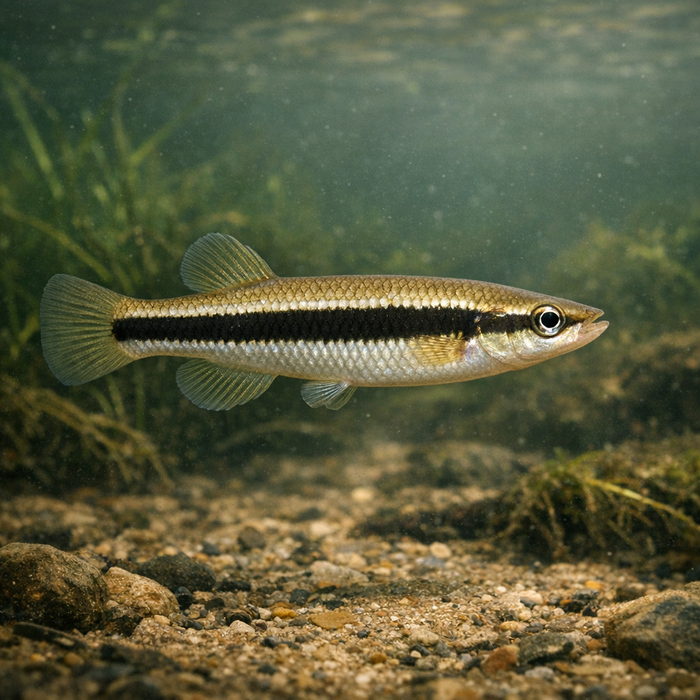
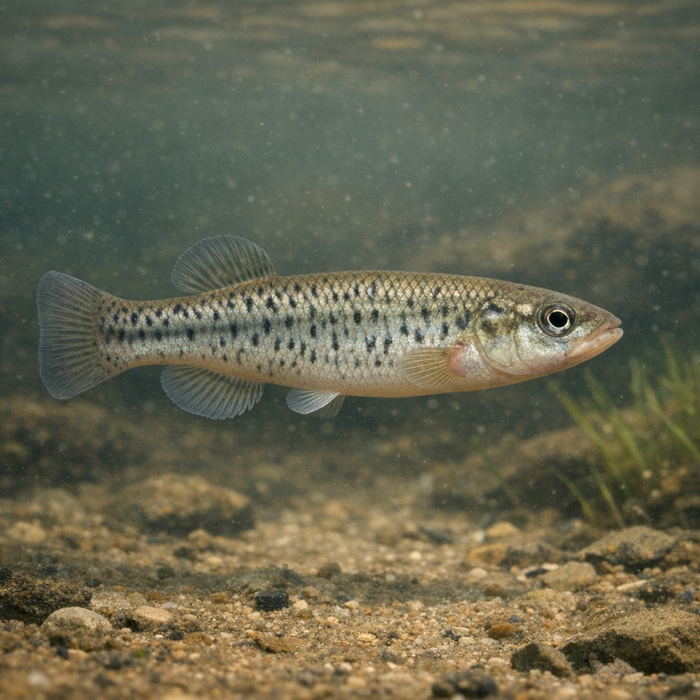
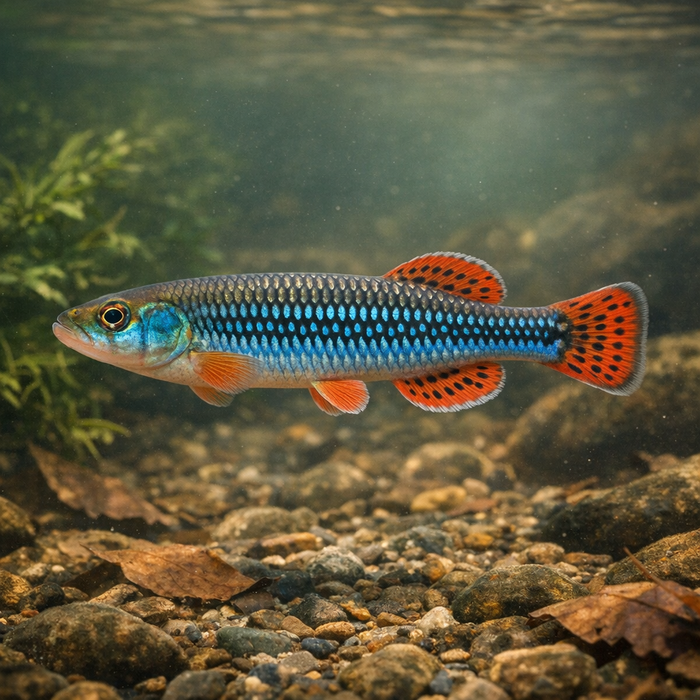
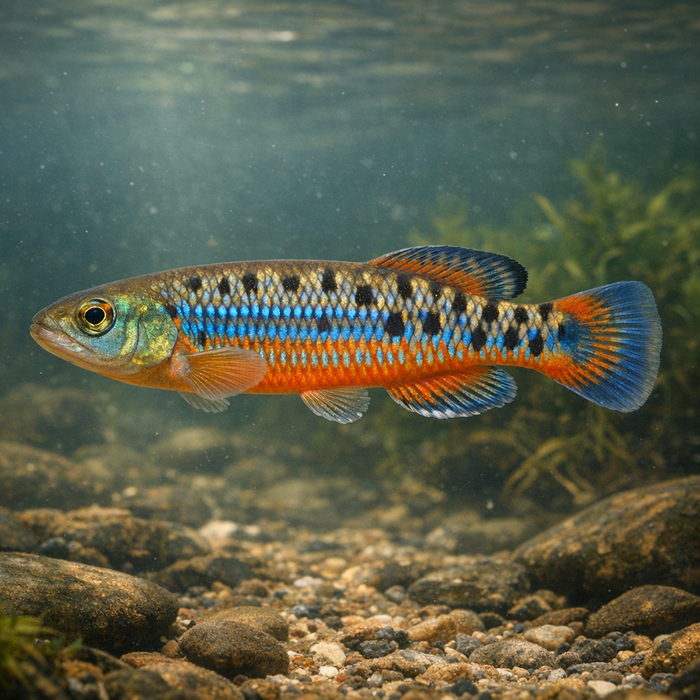
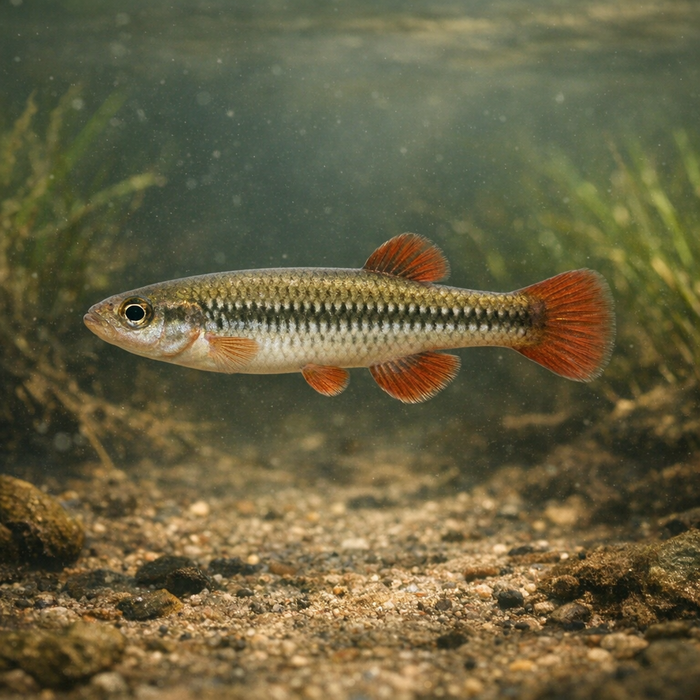
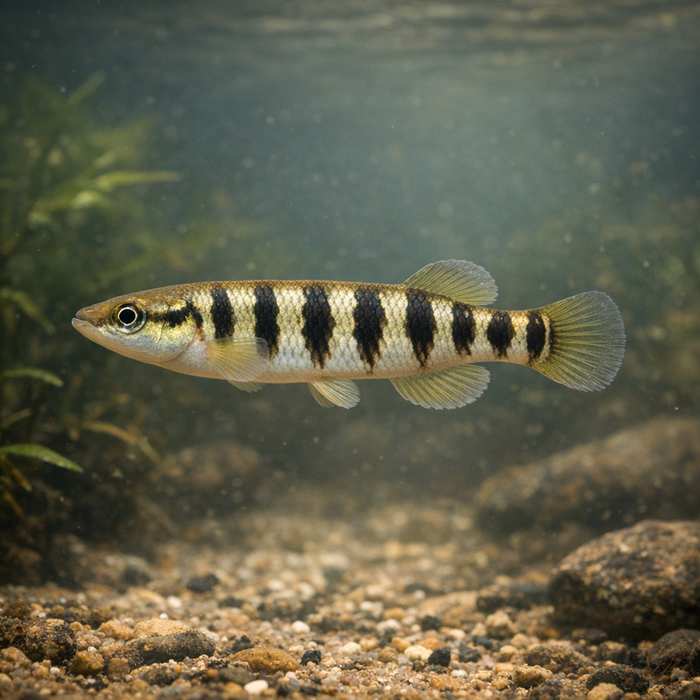
Starhead Topminnow (Fundulus dispar): The Little Surface Rocket Most Anglers OverlookIntroductionThe starhead topminnow is proof that big personality doesn't require big inches. Perched at the surface with an upturned snout and race-car fins slid way back, this micro predator patrols the film like it owns the zip code. It's not a traditional gamefish, but for microfishing diehards and curious anglers, the starhead topminnow is a quirky, rewarding target that turns quiet, weedy water into a tiny arena.What Makes the Starhead topminnow Unique?Two things: looks and lifestyle. During breeding season, males of Fundulus dispar throw on a glittering constellation of white head speckles that literally give the species its name. It's subtle until the light hits just right, then it's fireworks on a fish smaller than your finger. Second, the starhead topminnow is built for surface snacking. The mouth is upturned, eyes angle skyward, and the dorsal and anal fins sit far back, primed for short, twitchy bursts. That setup lets them sip bugs from the meniscus without broadcasting a wake.Habitat & Global RangeIf you're hunting for starhead topminnow habitat, think clear, slow, and green. These fish love quiet backwaters, vegetated margins of creeks, sloughs, oxbows, marshy ditches, and floodplain lakes. They're a Midwestern and Great Lakes storyline with spillover into parts of the Southeast, often right under a lily pad or tucked along sedges. Current is not the point here; cover is. Expect them in inches to a couple feet of water, near emergent plants and mats where stranded insects keep the buffet stocked.Behavior & TemperamentDespite their size, starhead topminnows act like tiny ambush artists. They'll hover motionless beneath cover, then snap sideways for a midge, ant, or spider that touches down. Schooling is casual: loose clusters more than tight balls, with short bursts of chasing during spawning. They spook easily in clear water but reset fast if you stay low and keep casts micro and quiet. Fights are blink-and-done, but the sight bite is the point: watching a fish the length of a paperclip flare on a speck of bait is its own brand of adrenaline.Ecological ImportanceThis fish is insect control in a torpedo package. By preying on aquatic and terrestrial invertebrates at the surface, the starhead topminnow turns bug fallout into fish biomass that larger species can later convert. Eggs are adhesive and placed into fine vegetation, where they add a seasonal pulse of forage and biodiversity. Healthy starhead topminnow numbers say good things about water clarity, vegetation structure, and intact floodplain edges.Conservation & Environmental PressuresRegionally, the species is generally stable, but that depends on the fate of small, vegetated waters most people drive past. Drainage, ditch straightening, herbicide-heavy banks, and chronic turbidity can erase starhead topminnow habitat by inches that matter. Local populations can be sensitive to prolonged drought or flood pulses that scour plants. Some states list specific populations as species of concern where habitat fragmentation has taken a toll. The fix is basic but not easy: protect and reconnect shallow vegetated margins, keep water clear, and treat backwaters as the nurseries they are.The FishyAF TakeThe starhead topminnow is the gateway drug to microfishing. If your idea of a good time is threading a size-26 hook with a sliver of worm and watching a glitter-spotted male ease up and sip, welcome home. It's stealth over power, nuance over numbers. Learn a new water type, sharpen your sight-casting, and suddenly the marshy ditch becomes a finely tuned fishery. Looking for quick Starhead topminnow facts? Here's the essence: tiny, visual, precise, and way cooler than most anglers realize. And if you're mapping Starhead topminnow habitat, draw a bullseye on the calm, weedy edge where the sun paints sparkles on the surface. That's where the action is, and that's where this species makes small water feel big.