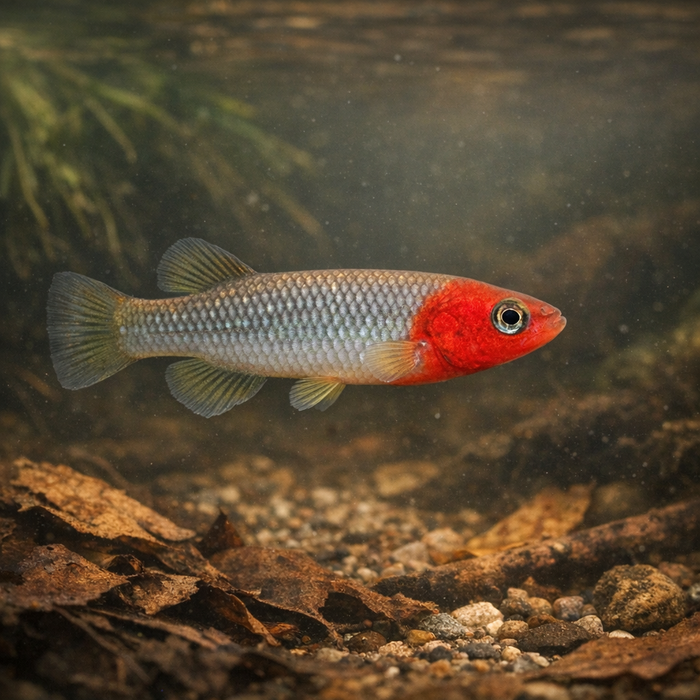
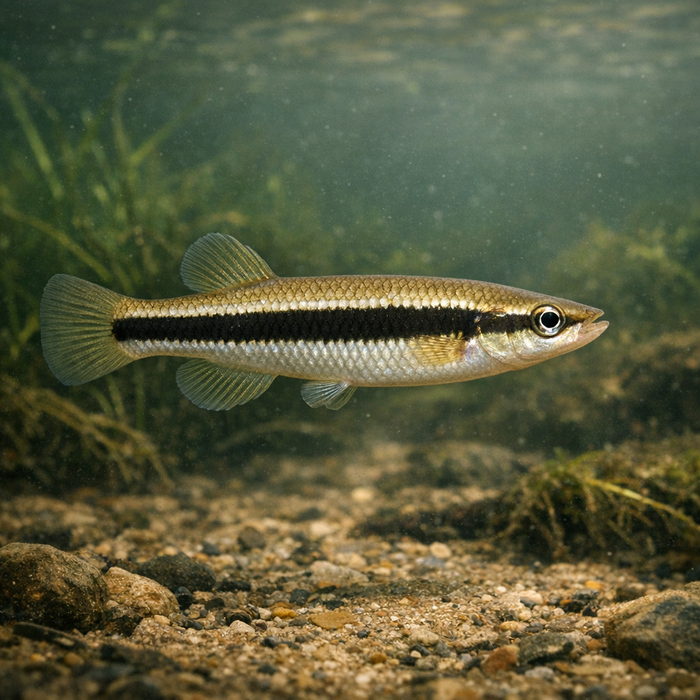
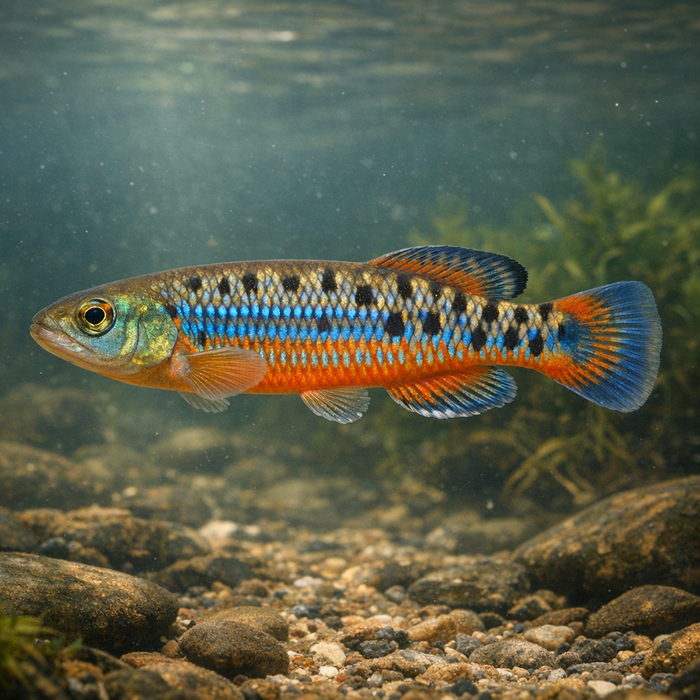
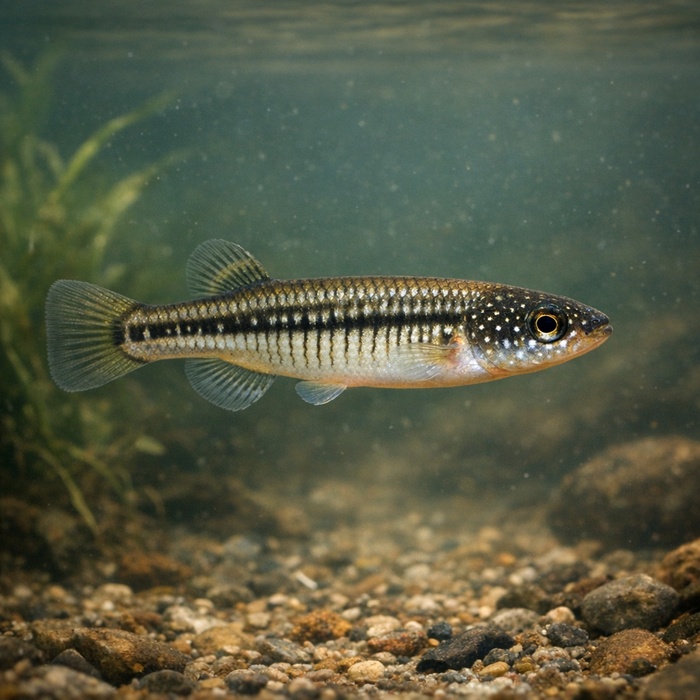
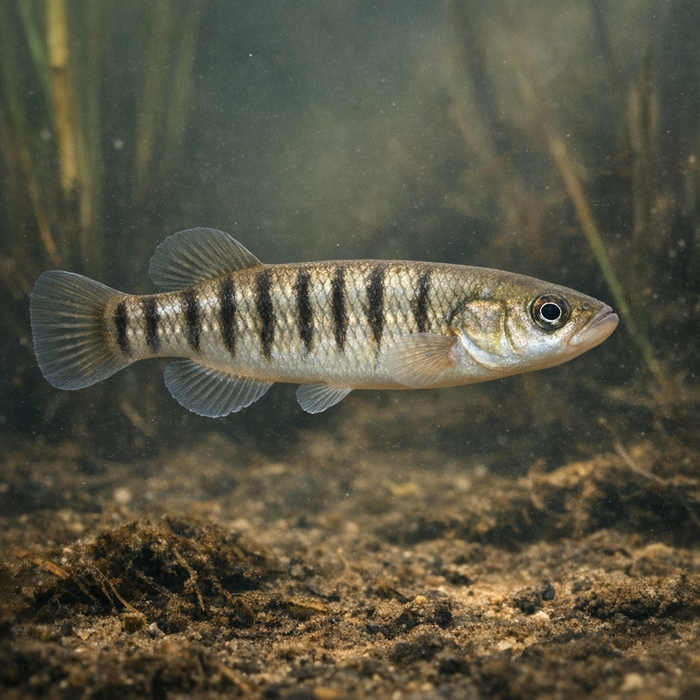
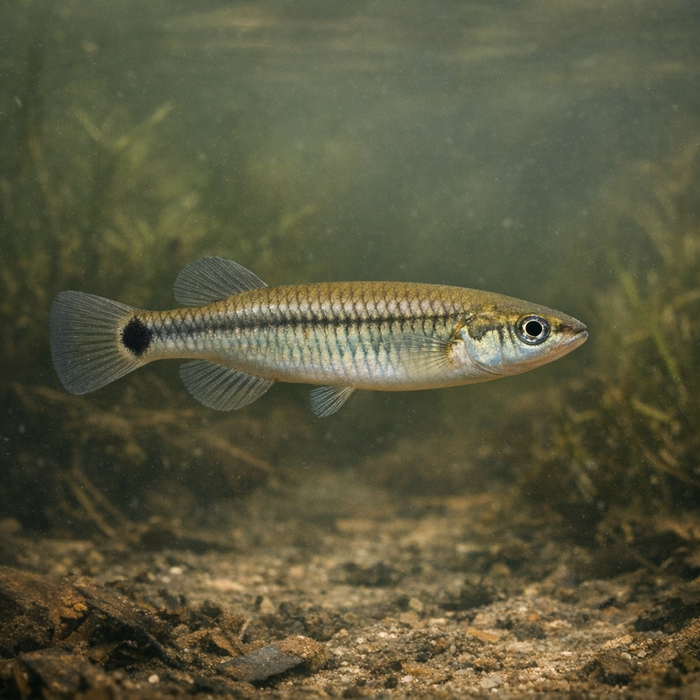
Russetfin Topminnow (Fundulus escambiae): A tiny surface hunter with punchy color and microfishing swaggerIntroductionThe russetfin topminnow is proof that fish don't need mass to have personality. This is a surface-skimming, insect-nabbing little torpedo that rewards precise presentations and stealthy movement. If you're eyeing a new challenge in skinny water and want a fish that actually makes you a better angler, this one's your coach. It's also gorgeous, with breeding males flashing brick-red fins that look painted on. Consider this your quick, field-ready dump of Russetfin topminnow facts without the textbook yawn.What Makes the Russetfin Topminnow Unique?Two things jump out: those namesake russet fins and a life lived right at the air-water line. The russetfin topminnow sports an upturned mouth, a classic topminnow build designed to sip from the surface film and crush any unlucky insect that touches down. When temperatures rise and hormones kick in, males throw on russet highlights like a neon sign. That combination of bold color and high-floating behavior gives the species an unmistakable vibe, even in tannic water. It's micro-sized, yes, but it behaves like a confident surface specialist.Habitat & Global RangeThe russetfin topminnow is a Gulf Coastal Plain native, with a stronghold in the Florida Panhandle and southern Alabama watersheds such as the Escambia, Yellow, Blackwater, Choctawhatchee, and Perdido systems. Think spring-fed creeks, vegetated sloughs, quiet river margins, and shallow ponds with clean sand or fine gravel. It prefers calm or slow current and leans on cover: overhanging grasses, root mats, and floating vegetation. If you're scouting russetfin topminnow habitat, prioritize clear edges, leaf lines, and the tea-stained backwaters where insect fallout is nonstop. Depth is a rounding error; most action happens in the top foot.Behavior & TemperamentIt's a surface ambush player that feeds like a trout the size of your pinky. The species keys on tiny prey drifting or stuck in the surface tension: midges, ants, termites after summer swarms, and stray terrestrial bugs. They're quick, cautious, and group loosely. A shadow or clumsy step sends them rocketing under cover, but they'll slide back if the buffet keeps rolling. Spawning happens in warm months, with adhesive eggs tucked into vegetation. There's no stage-fighting here; fights are short sprints, and your real opponent is presentation. Get delicate or get blanked.Ecological ImportanceRussetfin topminnows are efficient bug control, intercepting mosquitoes and other insects at the waterline. They feed up the chain, too, as prey for bigger fish and wading birds. That surface-first lifestyle turns floating plant edges and root tangles into vital micro-habitats. Healthy populations say good things about small-stream function: oxygen at the surface, intact shoreline vegetation, and a living conveyor belt of invertebrates. Small fish, big signal.Conservation & Environmental PressuresThe species is generally stable within its native range, but it's still vulnerable to the usual suspects: ditching and channelization that strip away edges, herbicide-heavy shoreline management, silt loads that smother spawning micro-sites, and water withdrawals that turn reliable trickles into dust. Because the russetfin topminnow relies on the surface microlayer and complex edges, anything that nukes aquatic vegetation or simplifies shoreline roots hurts it quickly. Localized spring runs can be especially sensitive. Keep an eye on stormwater and nutrient spikes that flip water quality and push oxygen down just when fish need it most.The FishyAF TakeThe russetfin topminnow is catnip for anglers who like precision over horsepower. It's all about micro hooks, clean drifts, and sneaking within pitching distance of a leaf line without sending ripples. When a male lights up those fins, it's the closest thing to a hummingbird you'll sight-fish in freshwater. Set your ego aside, drop to threadline tippet, and enjoy the ridiculous fun of making a two-inch predator believe your tiny offering is the real deal. If you want to sharpen stealth and reading-water skills, this fish is a ruthless teacher-and a surprisingly photogenic one for your logbook of Russetfin topminnow habitat wins.