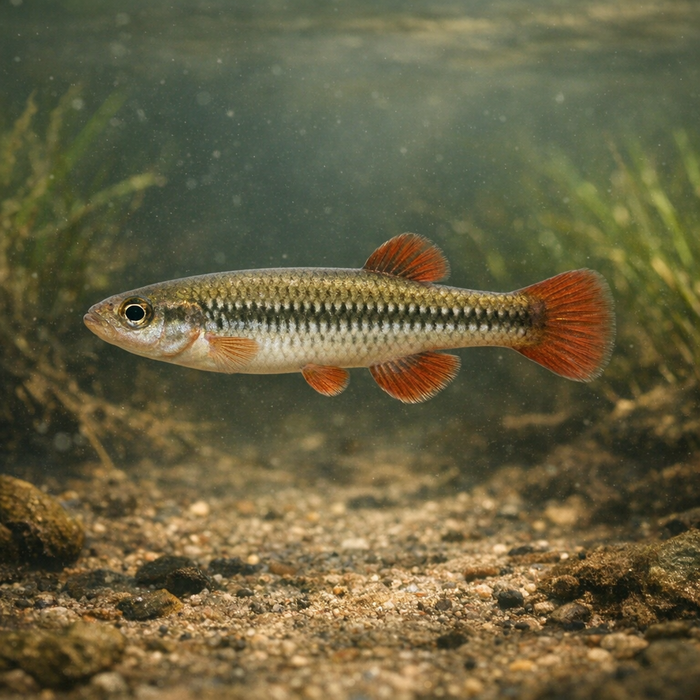
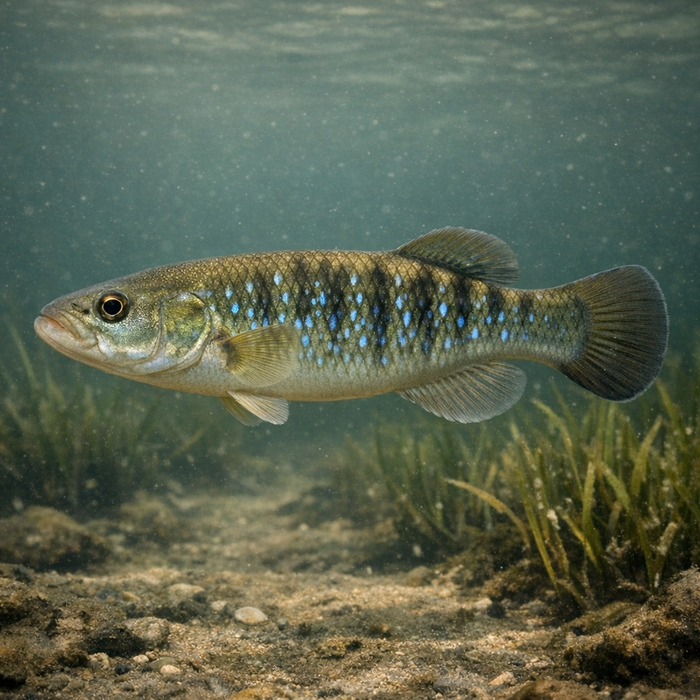
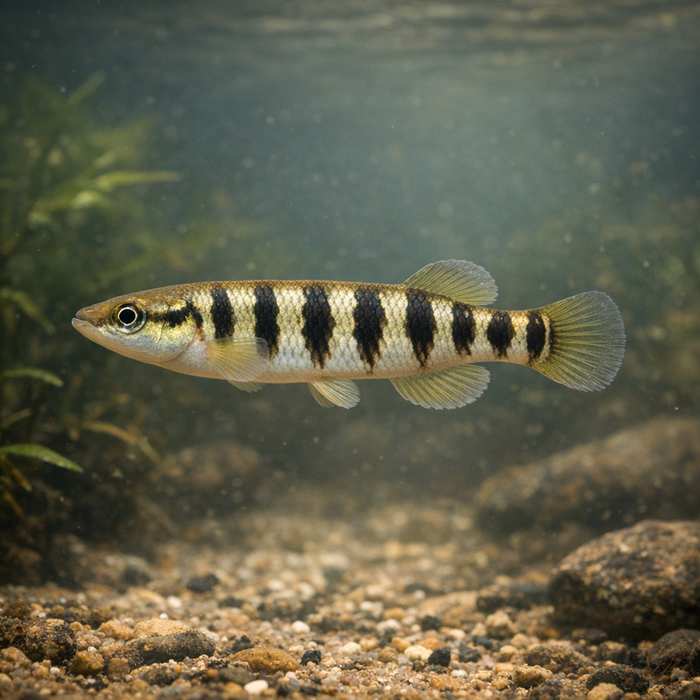
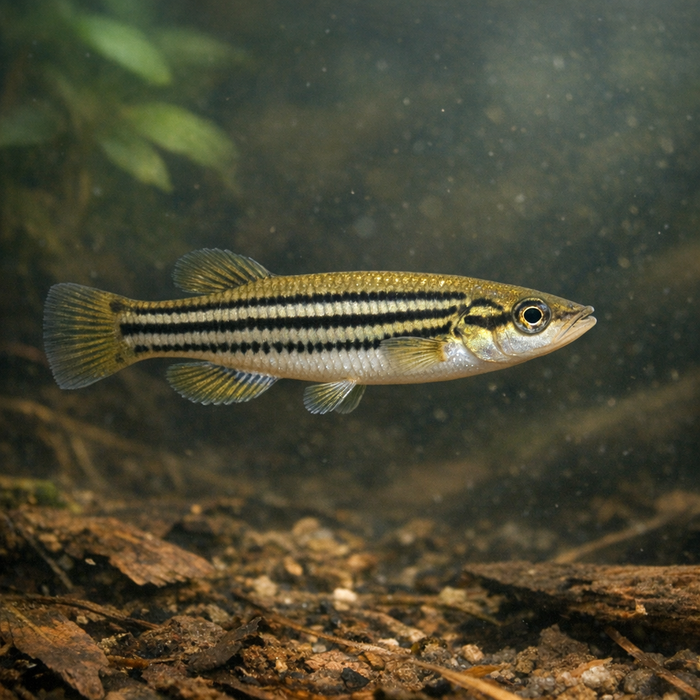
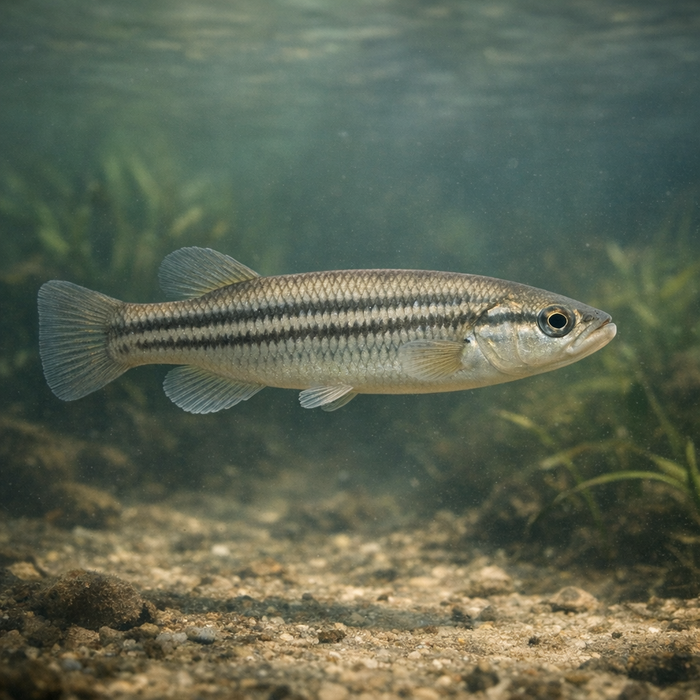
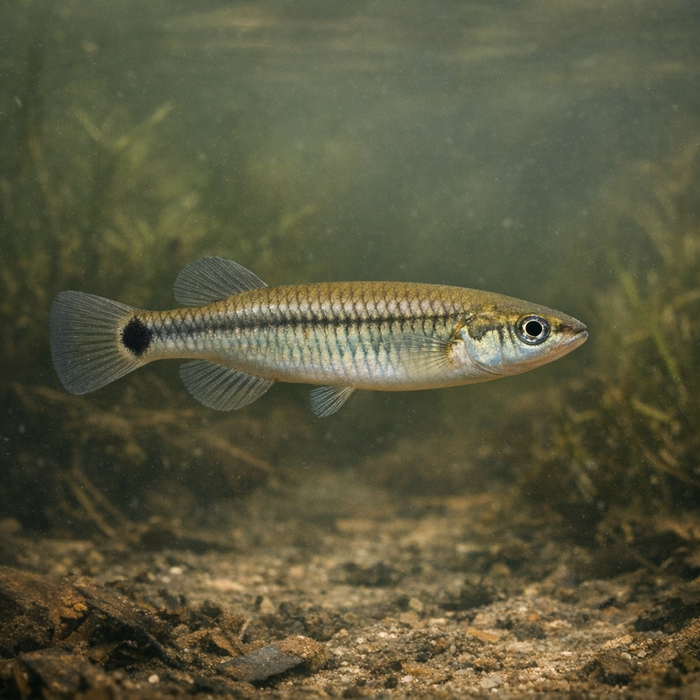
Marsh Killifish (Fundulus confluentus): A Bold, Memorable Hook LineIntroductionThe marsh killifish is the tiny heavyweight of the salt marsh, a pocket rocket built for life where grass meets tide. If you fish coastal creeks, back-bay ditches, or ankle-deep spartina flats, you've shared water with this little hustler. It's not a grip-and-grin trophy. It's the grease holding the estuary's gears together, and learning its habits unlocks the whole marsh. Consider this your crash course in Marsh killifish facts that actually matter on the water.What Makes the Marsh killifish Unique?First, it's durable. The marsh killifish can shrug off huge swings in salinity and temperature that would flatten fussier fish. One hour it's swimming brackish water, the next it's in a puddle cooking in the sun, still cruising for snacks. Second, it's synced to the moon. Spawning isn't random; spring tides flood the grass, eggs stick to blades, then hatch with the next big tide. Finally, it punches above its weight as forage. Redfish, seatrout, flounder, and wading birds all cash in on this species' predictable rhythms.Habitat & Global RangeCall this the homebody of the estuary. The classic marsh killifish habitat is shallow, protected water: flooded grass edges, narrow drains, pockmarked ponds, and mosquito ditches from the Southeast through the Gulf Coast. Depth often runs in inches, not feet. You'll see flickers and dimples as they work the film, then subtle pushes along the grass line where tide trickles out. They favor calm pockets over open channels, and they'll ride high water into the marsh, then fall back through tiny runnels as the tide drops. If you're trying to understand how life flows across a marsh flat, watch these fish.Behavior & TemperamentThey're opportunists with an upturned mouth made for surface and near-surface feeding. Think pecks and zips rather than jaw-rattling hits. Schools are small to moderate, often orbiting tight structure like grass clumps, oyster rubble, or the shaded lip of a cut. They tolerate low oxygen and will skim the surface film when it gets ugly-hot. Home ranges are tight; once you locate a productive ditch or puddle, expect repeat performances tide after tide. The marsh killifish rarely roams far from cover and won't win any fight-of-the-year awards, but that doesn't mean they're clueless. Spook the school with heavy boots or sloppy casts and the show's over.Ecological ImportanceThe marsh killifish is the snack bar the marsh never runs out of. Everything eats them. That steady supply turns energy from insects and small crustaceans into fuel for larger predators. Their tidal-spawn strategy also stabilizes year classes: eggs glued to grass during spring tides dodge many aquatic egg predators and hatch in sync with prime nursery conditions. Translation for anglers: more dependable forage pulses that stack redfish and flounder along drains when water dumps out. You want consistent inshore action? Root for healthy killifish populations.Conservation & Environmental PressuresWhile not a headline species, marsh killifish suffer when marshes suffer. Ditch filling, bulkheads, altered tidal flow, storm surge erosion, and poor water quality cut into the quiet corners these fish require. Because they're tolerant, they can mask bigger system problems until predators thin or grass recedes. Keep an eye on local restoration projects, and support living shorelines and tidal connectivity. If you're into microfishing, handle them gently and wet; tiny fish still matter. Healthy populations of these minis usually signal that your marsh machine is still humming.The FishyAF TakeThe marsh killifish is the estuary's metronome. Learn its beat and you'll unlock the flats. Follow the lunar cycle, watch flooded grass, and time your sessions to the outflow when forage is chute-delivered to ambush points. Don't overthink it: micro hooks, specks of bait, and a stealthy approach will have you grinning like a kid again. If you're here for Marsh killifish habitat deep dives, great. But the real move is to see them as the blueprint. Where they dimple, predators stack. Where they vanish, something changed. Treat these little legends with respect, and they'll keep whispering secrets about the marsh long after the tide flips.