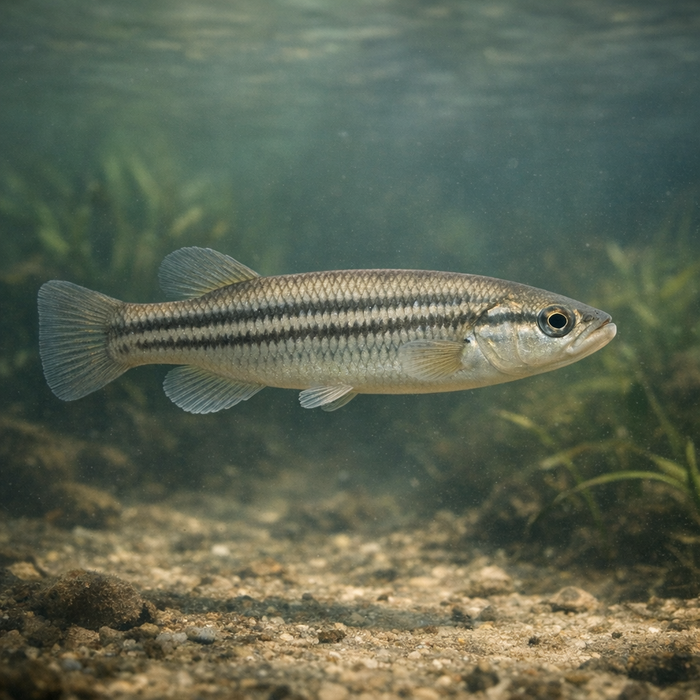
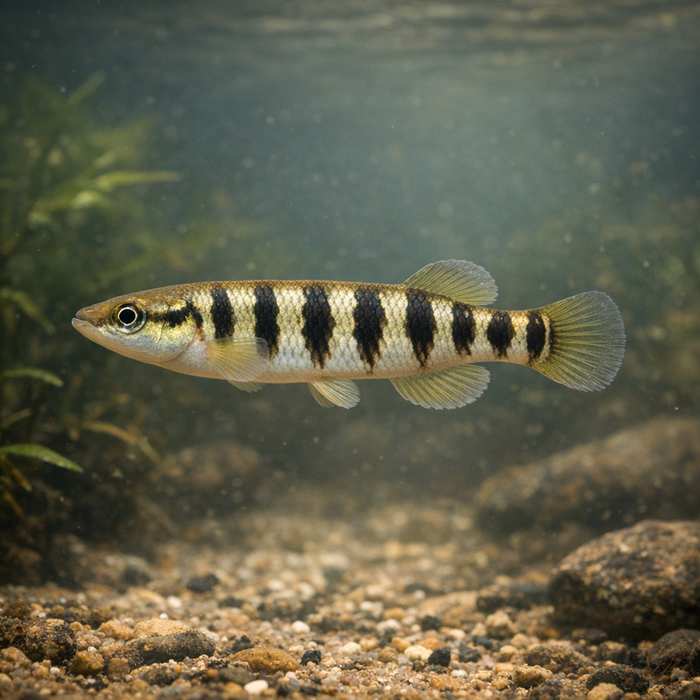
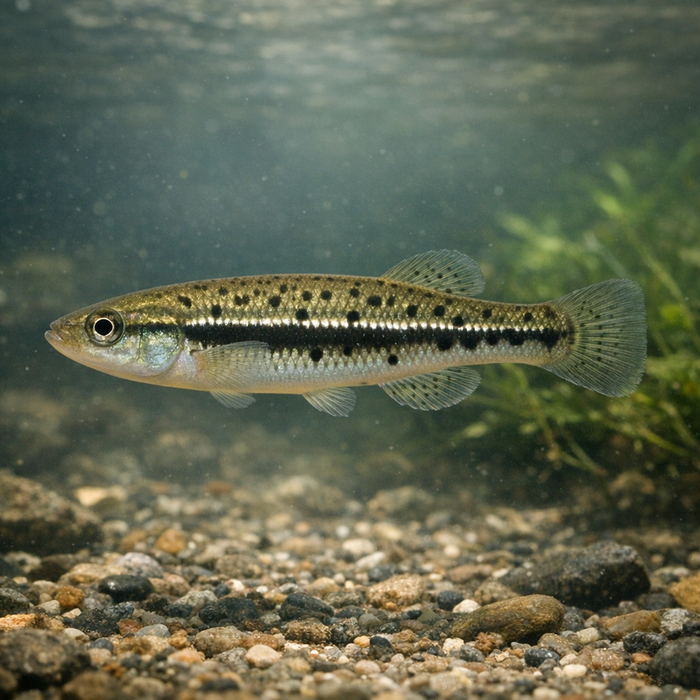
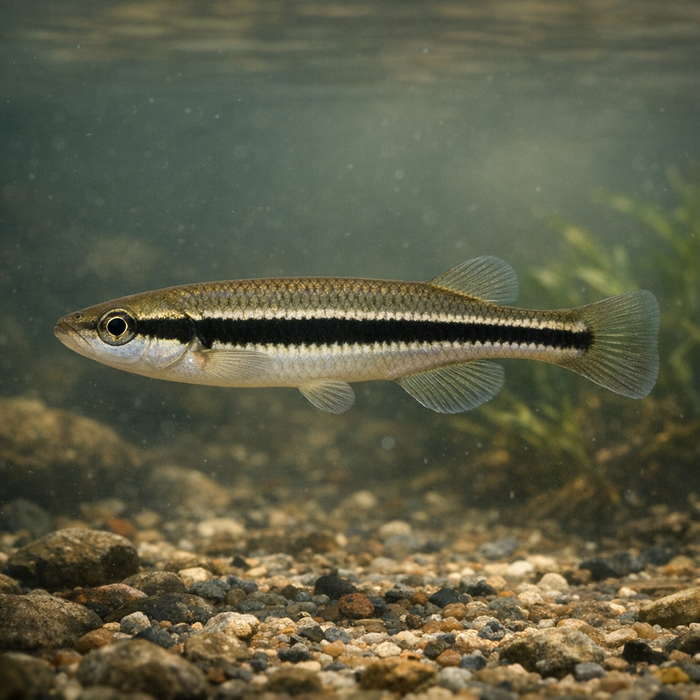
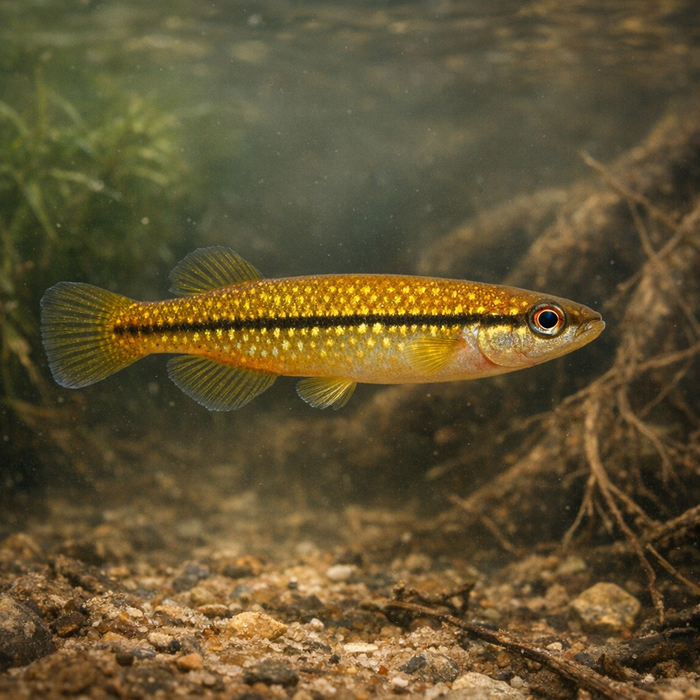
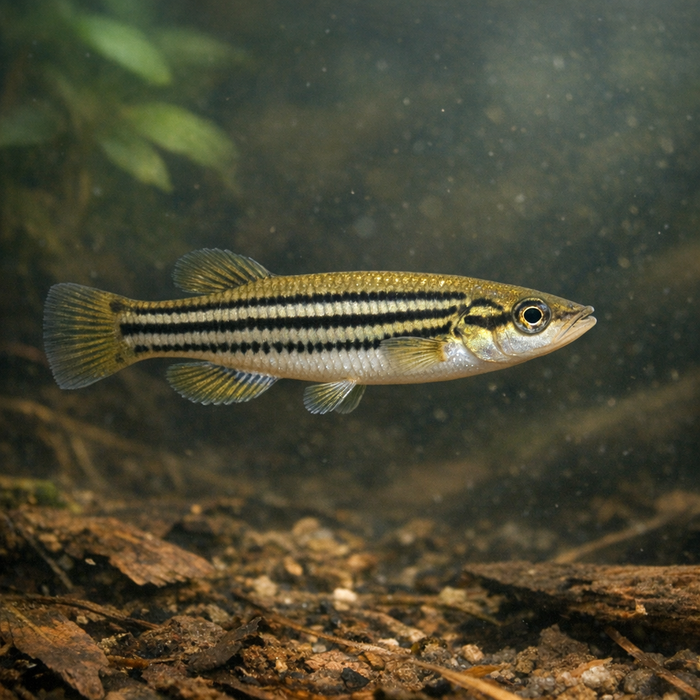
Gulf Killifish (Fundulus grandis): Marsh-Hardened Baitfish With Superhero ToleranceIntroductionThe gulf killifish is the tough little workhorse of the marsh, the bait behind countless hero shots of redfish and speckled trout. It shrugs at salty mood swings, cruises grass edges like it owns the place, and multiplies fast enough to keep livewells stocked. If you want real Gulf killifish facts and a straight shot on what makes this minnow matter, you're in the right marsh.What Makes the Gulf killifish Unique?First, pure grit. The gulf killifish handles salinity from near-freshwater to hypersaline ponds without going belly-up. It also puts up with heat, cold snaps, and low oxygen that sideline fussier baitfish. Second, the spawning trick: during spring tides, adults scatter adhesive eggs onto marsh vegetation, often above the waterline. Those eggs ride out the dry spell, then hatch when the next big tide returns. Third, it's the economic MVP of live bait along the Gulf, sold in Louisiana and beyond as the cocahoe minnow. Hardy in a bucket and lively on a hook, it's bait perfection.Habitat & Global RangeHere's the short course on Gulf killifish habitat: think brackish. This species owns the marsh-fringe zone across the Gulf of Mexico from Texas through Louisiana, Mississippi, and Alabama to Florida's Gulf coast. It prowls shallow ponds, flooded spartina flats, tidal ditches, bayous, and protected bay shorelines. Depth is usually ankle- to shin-deep during feeding pushes, sliding into slightly deeper bayous during cold snaps or extreme heat. It congregates around grass, shell edges, culverts, and any pinch-point where the tide shuttles food. That tight relationship with tides and vegetation defines where anglers and birds intercept them daily.Behavior & TemperamentGulf killifish school loosely, cruise confidently, and burst hard when spooked. They pick off small crustaceans, worms, and whatever drifts by, often near the bottom but just as happy under the film when bugs or detritus stack up. Expect short, nervous dashes, quick turns, and plenty of surface dimples during morning or evening tides. They're not finicky, but they do stage where current and structure do the heavy lifting, pushing food to them. When water drains off the flats, they funnel through little creeks and pipes in ridiculous numbers.Ecological ImportanceCall the gulf killifish the marsh's middleman. It converts tidal groceries into calories for red drum, spotted seatrout, flounder, and wading birds. Because it's abundant, hardy, and closely tied to salinity, temperature, and oxygen swings, scientists lean on it as a sentinel species in ecotoxicology and restoration projects. If this minnow starts struggling somewhere, that marsh has bigger problems brewing. When it thrives, it powers the food web from grass blade to gamefish.Conservation & Environmental PressuresThe species itself is listed as Least Concern, and for good reason: it tolerates chaos. But marsh loss, shoreline hardening, pollution, and dead zones still chip away at local abundance and habitat quality. Oil and chemical spills can hit eggs and nursery areas hard. In heavily developed bays, prolonged low-oxygen events can box these fish into subpar refuges. The resilience is real, but not infinite. Protect the marsh platform and healthy tidal exchange and you'll see the gulf killifish keep doing gulf killifish things.The FishyAF TakeThe gulf killifish is the unsung legend under your cork. It's the bait that refuses to quit and the bellwether that tells you if a marsh is alive. You can geek out on Gulf killifish facts, or you can watch a livewell of cocahoes stay perky all day while your buddy's shrimp melt. Either way, respect the minnow. It's not glamorous, but it's the heartbeat of inshore fishing from Texas to Florida. Keep the grass, keep the tide, and the gulf killifish will keep the lights on for everything else you love to catch.