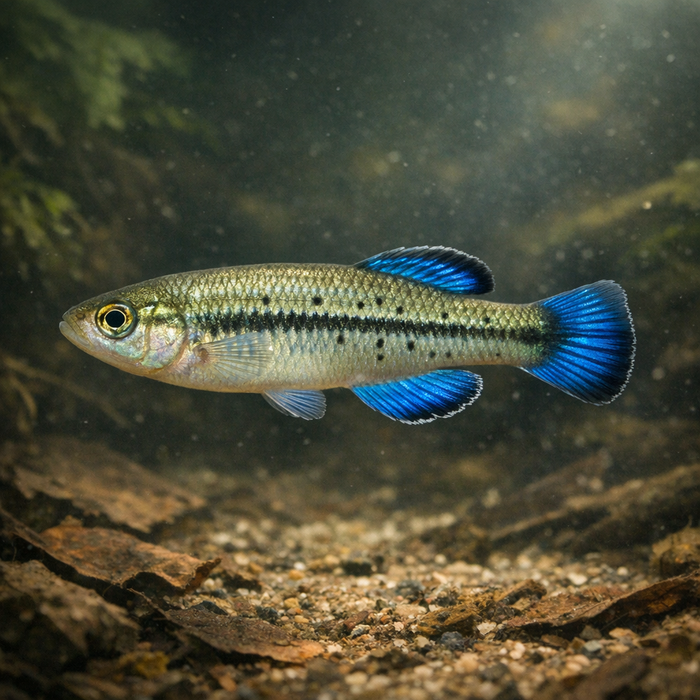
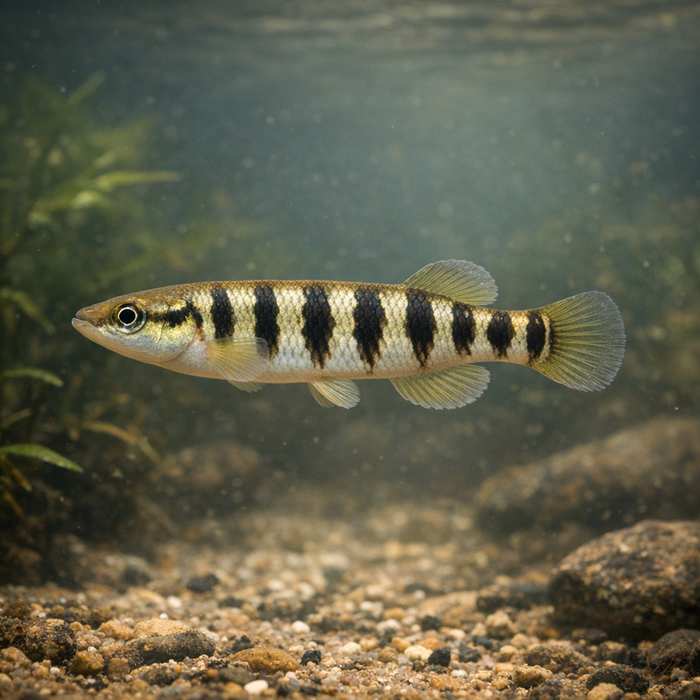
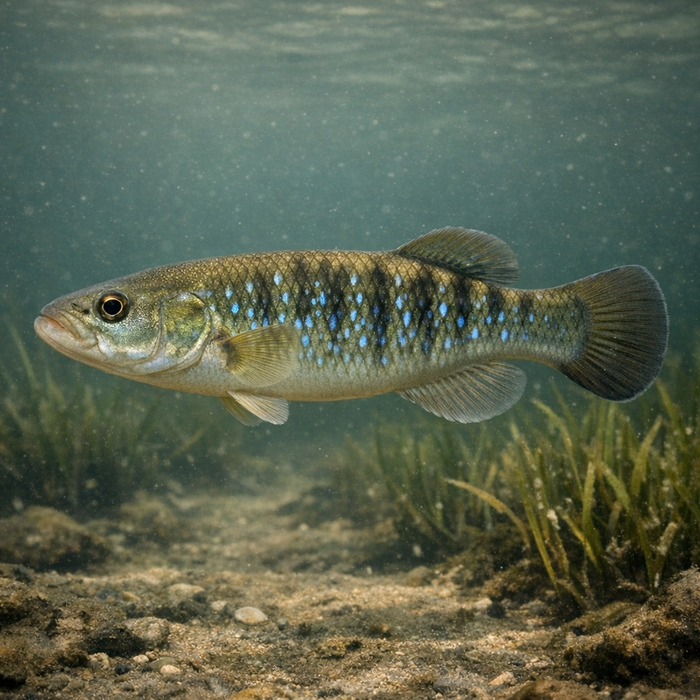
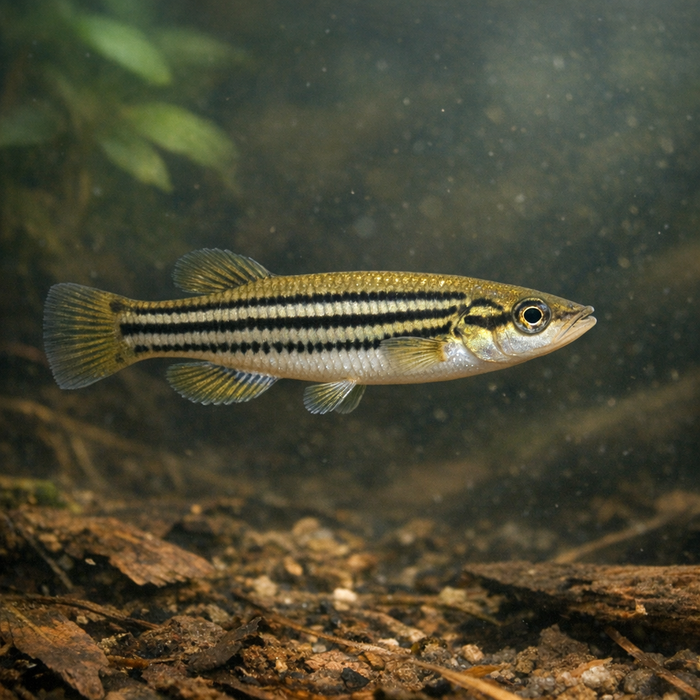
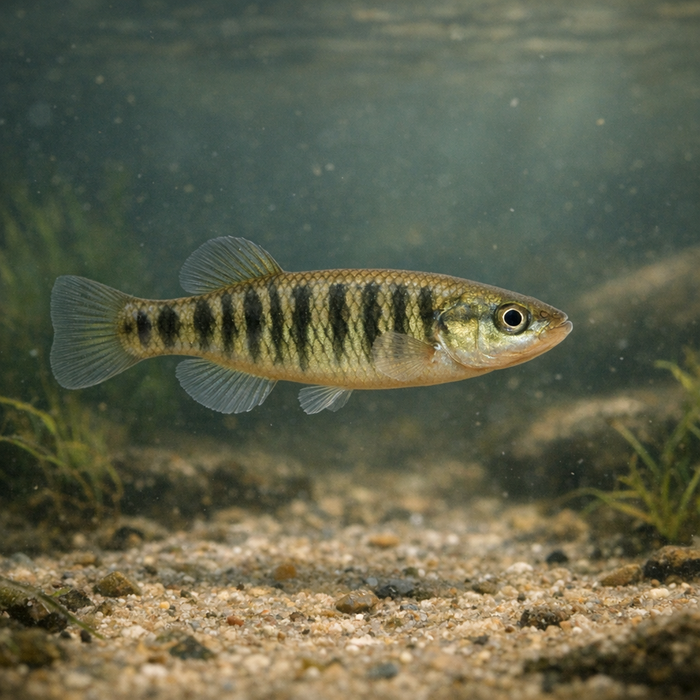
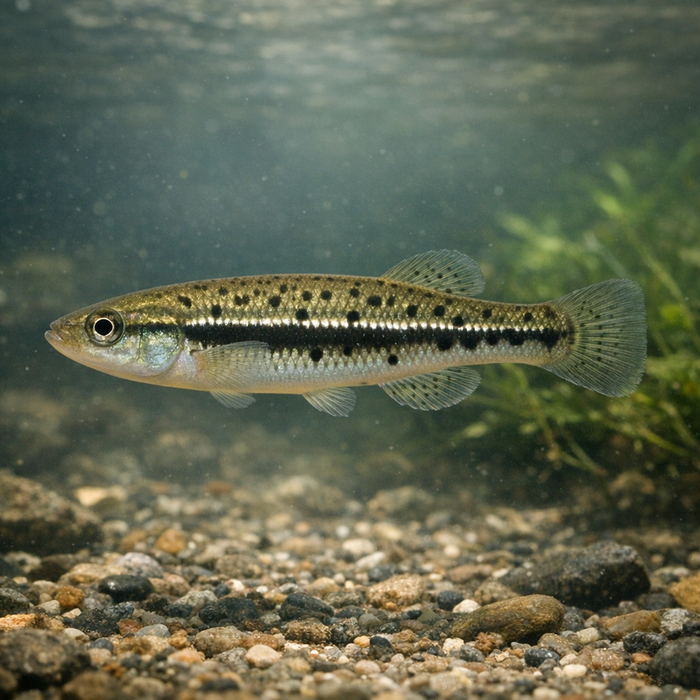
Seminole Killifish (Fundulus seminolis): A bold little sprinter with a surface habit and serious Florida vibesIntroductionThe Seminole killifish is the tiny speedster that makes ultralight tackle feel like a precision instrument. It's not a headline trophy, but it's a perfect crash course in stealth, micro-presentations, and clean water reads. Think of it as the flashlight that reveals every flaw in your finesse game. If you've ever stared into a crystal Florida lake and watched slivers of silver ticking along the surface, you've probably met a Seminole killifish.What Makes the Seminole killifish Unique?First, size for a killifish: Seminole killifish run bigger than most of their topminnow cousins, brushing seven inches and making great live bait for bass and pickerel. Second, that upturned mouth screams surface life. They're built to sip, snatch, and pounce in the top foot of the water column. Third, they love clarity. In glassy spring runs and clear lakes, their subtle bars and pale gold sheen turn them into waterline ghosts. These aren't average background minnows; they're deliberate, fast, and surprisingly selective.Habitat & Global Range"Seminole killifish habitat" is basically the Florida clear-water greatest hits: sand-bottom lakes, spring runs, gentle shorelines with ribbon grass, and quiet river margins. They're a peninsular Florida specialty, most common across central and northern portions where visibility is high and current is steady but soft. You'll see them cruising just off the bank, anywhere a little submerged grass clumps, a sand patch glows, or a dock throws a slice of shade. They tolerate summer heat that stalls other minnows, and they handle light flow well, but chocolate-milk water is not their scene.Behavior & TemperamentSeminole killifish are surface-savvy and quick to bolt. They patrol in loose groups, accelerating for short bursts when something twitches wrong. In spring and early summer they get feisty around structure, with brief feeding flurries at low light and on calm, bright mid-days when insects pepper the film. Presentations live or artificial need to be tiny, quiet, and accurate. Hooksets feel like a micro pop rather than a conventional thump, and the "fight" is a jittery surface skid. They'll absolutely clown heavy-handed anglers, which is half the fun.Ecological ImportanceFor such a small fish, the Seminole killifish punches above its weight. It skims insects and micro-crustaceans near the surface, transferring energy from bugs to bigger predators like largemouth bass, pickerel, and herons. In lakes where clarity rules, this species is a reliable food link and a bellwether for shoreline health. When Seminole killifish are abundant and visible, you're looking at a system with stable vegetation, clean sand, and a balanced nearshore zone.Conservation & Environmental PressuresThe species sits comfortably as least concern, but that's not a free pass. Loss of water clarity, shoreline hardening, and nutrient pulses that turn lakes into algae smoothies will shrink Seminole killifish neighborhoods. Overzealous weed control can also erase their living room. They're resilient in warm water, yet dependent on clean, structured edges. Keep the sand, grass, and spring flow intact and they thrive. Trash the edge habitat and they fade into the background or vanish entirely.The FishyAF TakeThe Seminole killifish is the Florida finesse coach you didn't know you needed. It punishes sloppy knots, clunky floats, and heavy leaders, then rewards patience with a visible take right at the surface. Want to sharpen sight-fishing skills or gather perfect, hardy bait? This is your fish. Learn a few Seminole killifish facts, dial your micro game, and those clear-water lakes suddenly feel like a live tutorial on stealth. No, it won't spool you. But it will make you better, fast.