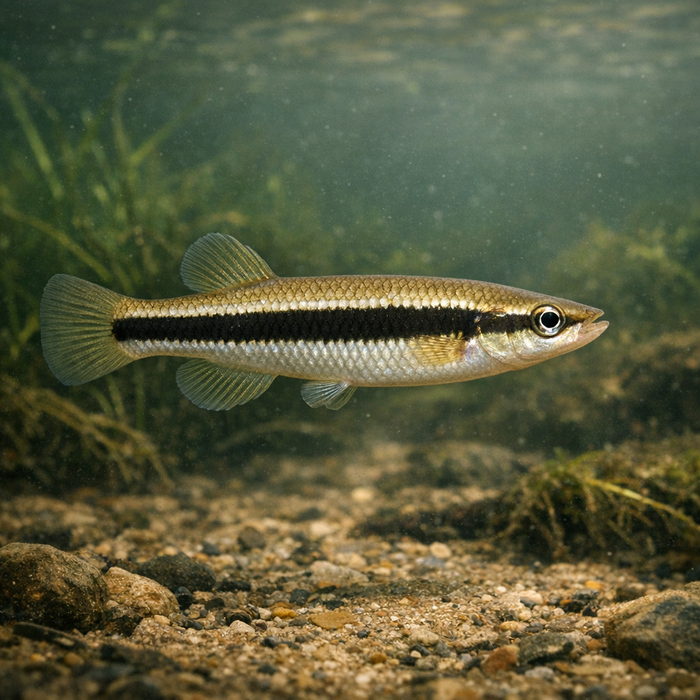
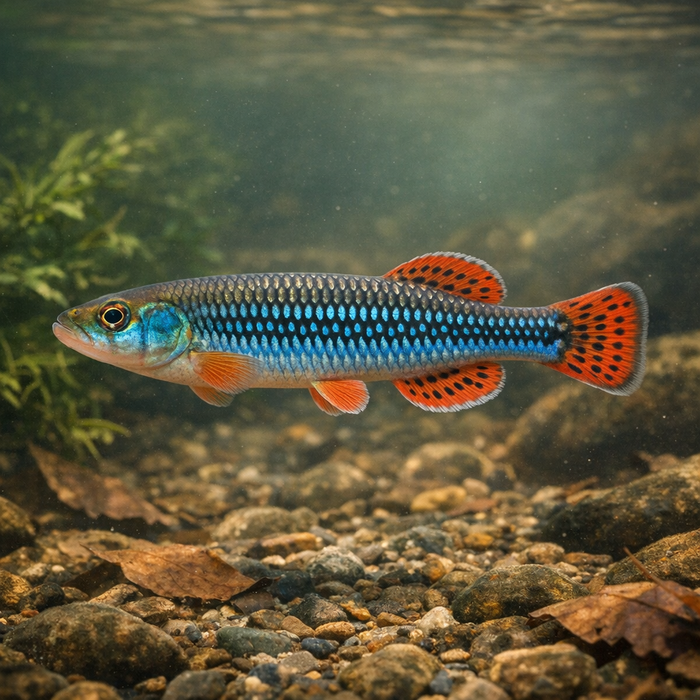
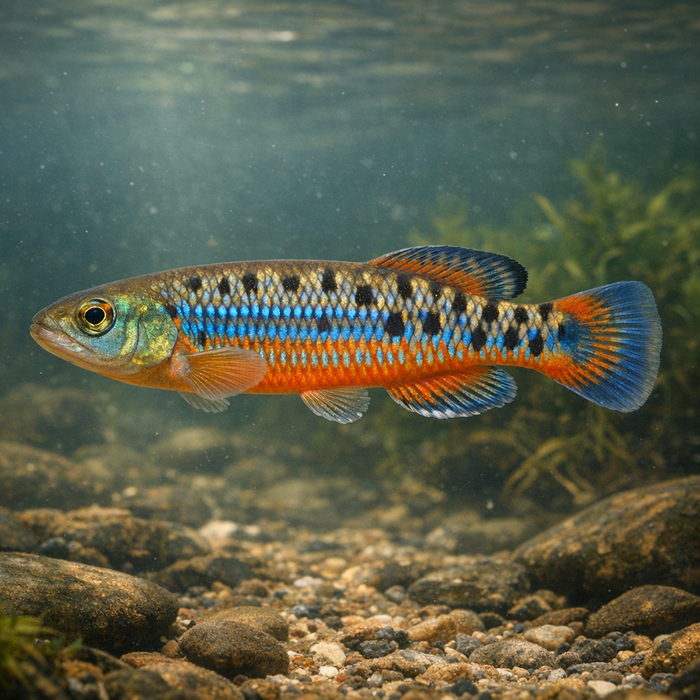
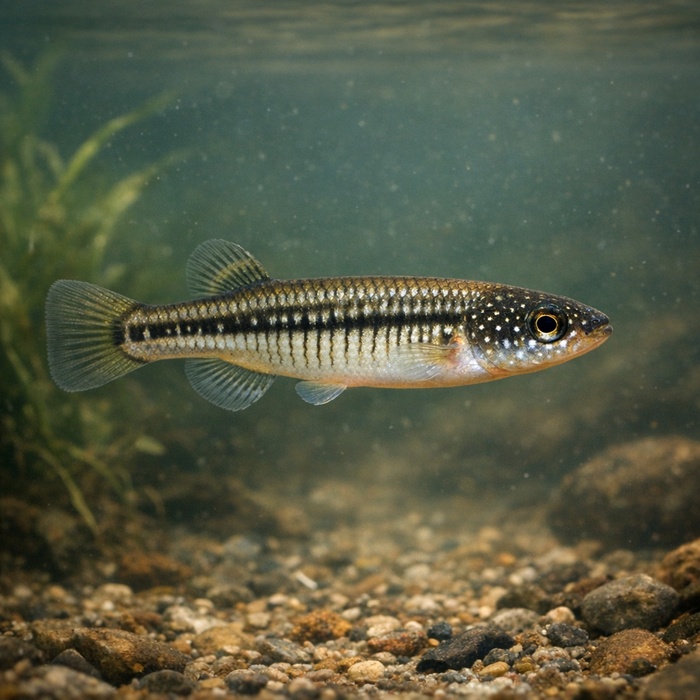
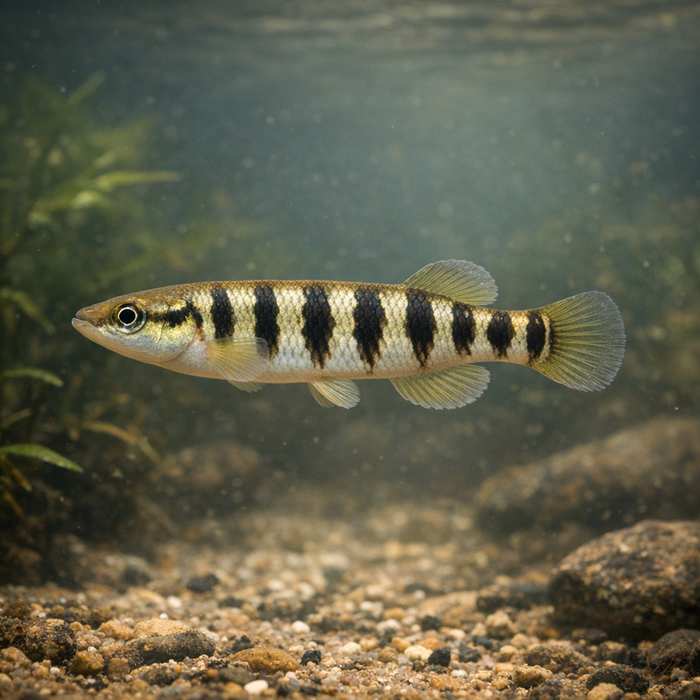
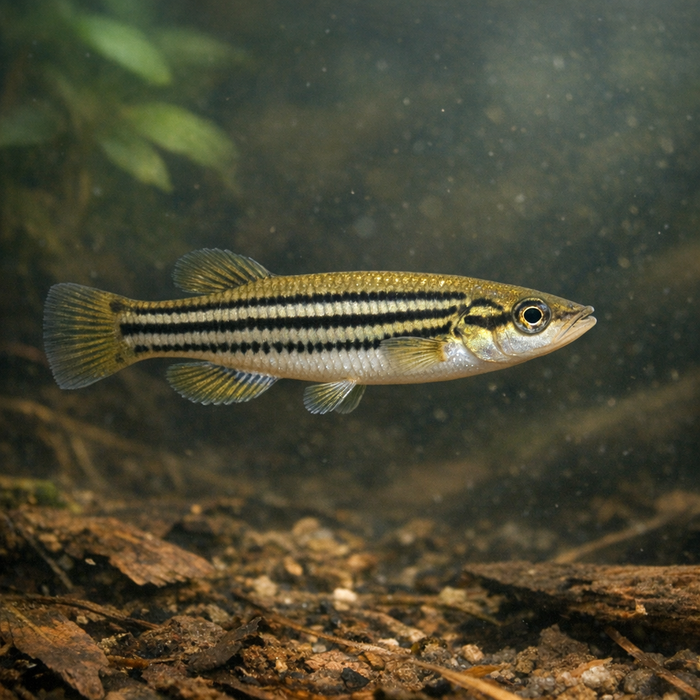
Northern Plains Killifish (Fundulus kansae): A Bold, Memorable Hook LineIntroductionThe northern plains killifish is the little torpedo that laughs at harsh prairie water. Where the creek looks like chocolate milk and the thermometer hits rude numbers, this fish still hunts the surface like it owns the place. It's not a hero of grip-and-grin photos, but it's a legit lesson in how tough and adaptable a tiny predator can be. If you want northern plains killifish facts framed for anglers, you're in the right place.What Makes the Northern plains killifish Unique?First, it shrugs off conditions that send other minnows belly-up: heat, turbidity, and even alkaline or slightly salty water. This is prairie country, and Fundulus kansae was built for it. Second, the upturned mouth is basically a surface sniper rifle. Midges, mosquitoes, and anything struggling in the film get vacuumed with a snap. Finally, the breeding suit is a surprise. Males flash vertical barring with bronze and green notes that make you double-take at something most folks call a baitfish.Habitat & Global RangeThis is a Great Plains specialist, tied to sandy, silty, often shallow streams and their backwaters. Think Kansas, Nebraska, Oklahoma, the Texas Panhandle, and stretches within the Missouri and Arkansas River basins. Picture low-gradient creeks with shifting sandbars, side pools, and quiet margins beside faster runs. That's classic northern plains killifish habitat. They'll cruise ankle- to knee-deep water, slide into calmer pockets during spates, and make the most of sunlit edges where insects collect. While the species isn't truly global, it's common where the prairie still pushes water through open country.Behavior & TemperamentThe northern plains killifish operates like a tiny surface hunter with short, frequent feeding windows. Small groups drift along seams and shorelines, then burst into quick strikes when the surface twitches. They're wary in clear water, bold in murky water, and almost always keyed to micro-prey. Hook one and the fight is a flutter, but don't confuse that with easy. You need thin line, micro hooks, and careful, short presentations. Miss by an inch and they ghost you. Nail the drift and they sip without drama, like it was inevitable.Ecological ImportanceThese fish are mosquito control with fins. They snap up larvae and emerging insects, turning nuisance bugs into fuel for bigger food webs. In turn, they're groceries for herons, kingfishers, and larger gamefish that raid the shallows. Because they tolerate tough water but still need intact edges and shallow refuges, the northern plains killifish can hint at the health of prairie streams. When margins, vegetation mats, and backwaters get wrecked, you'll see their numbers slide.Conservation & Environmental PressuresOverall, Fundulus kansae sits comfortably at Least Concern, and that's great news. But prairie streams don't get a free pass. Channelization, dewatering for irrigation, bank trampling, and chemical pulses can all carve away the edges and slow pockets they rely on. Invasive competitors and bait-bucket blunders don't help either. The fish's toughness masks problems until habitat hits a tipping point. Keeping natural flow variability, protecting riparian buffers, and not nuking backwater vegetation are simple wins that pay off fast for this species.The FishyAF TakeIf you love sneaky challenges, the northern plains killifish is a micro master class. It's proof that precision beats horsepower. Everything's scaled down: hooks, line, drifts, expectations. You don't chase it for glory. You chase it because prairies are honest, and this fish is the purest readout of that honesty. Call it a baitfish if you want. We'll be over here sight-fishing tiny torpedoes in ankle-deep water, stacking real-world Northern plains killifish facts while everyone else argues about trophies. When the sun's high and the water looks like iced coffee, this little predator still shows up. That's a fish worth knowing.