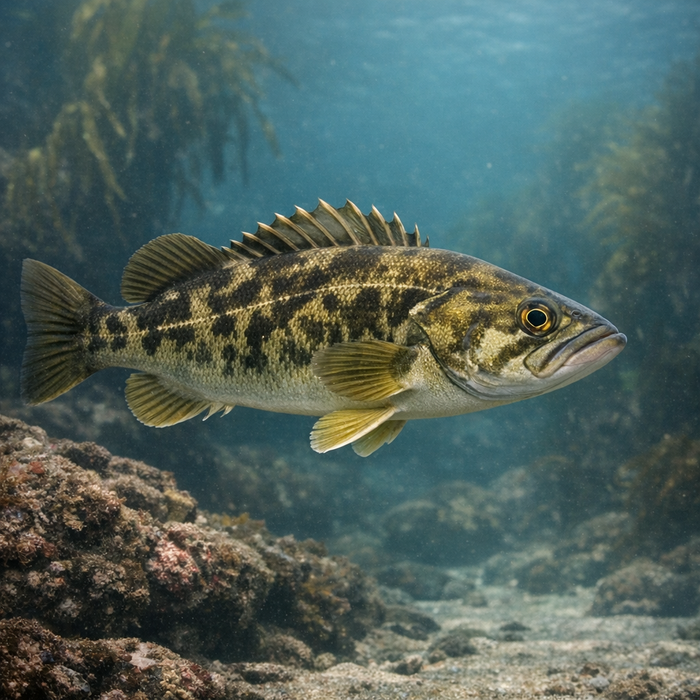
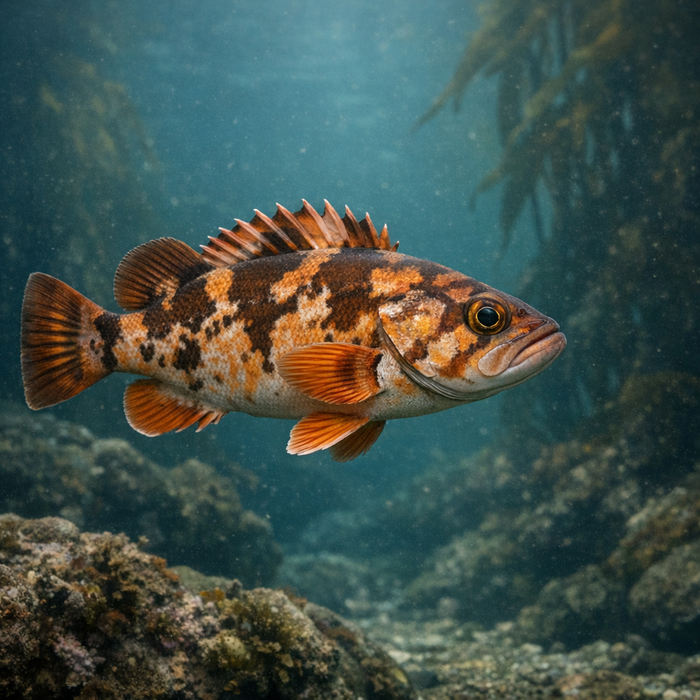
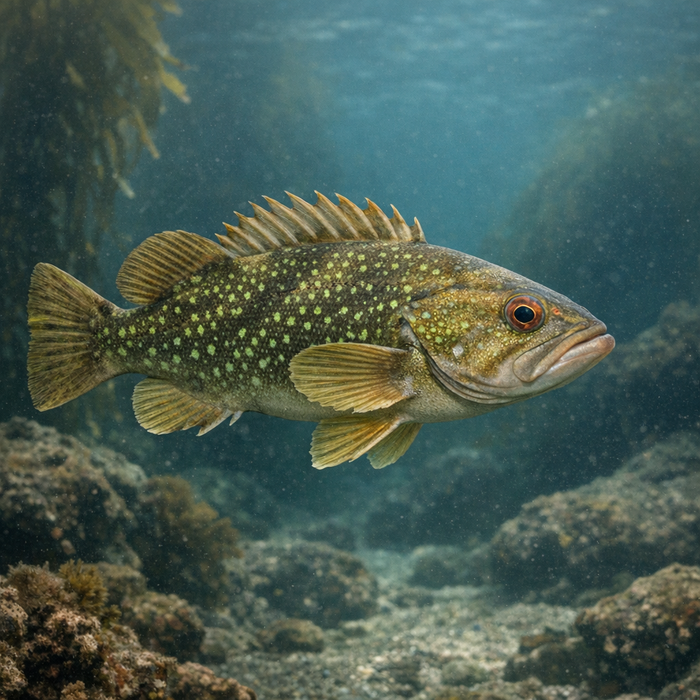
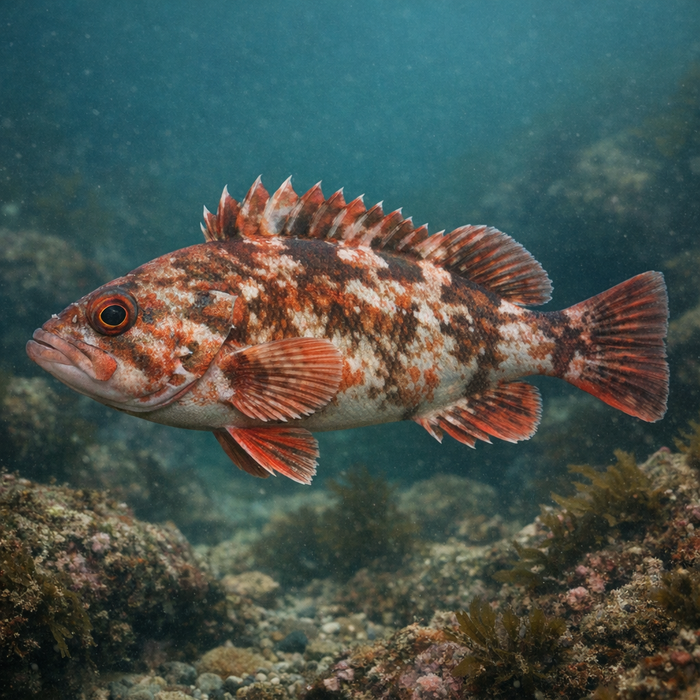
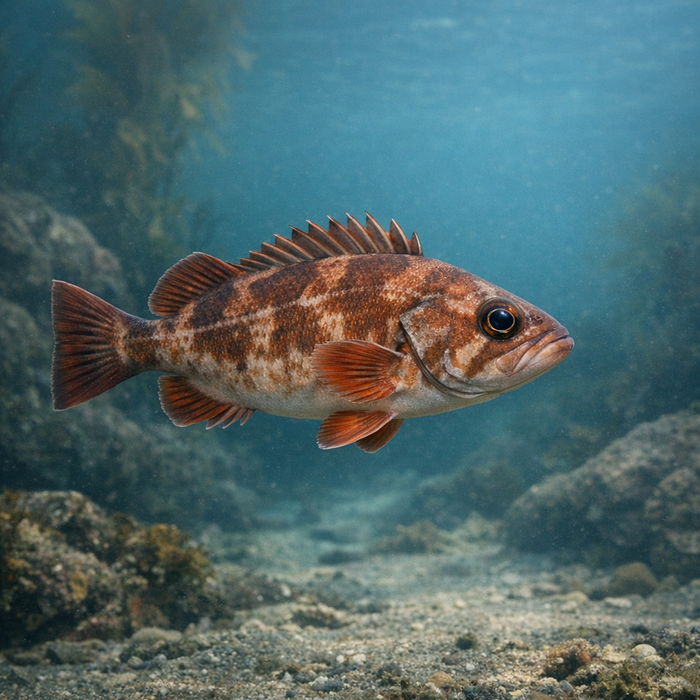
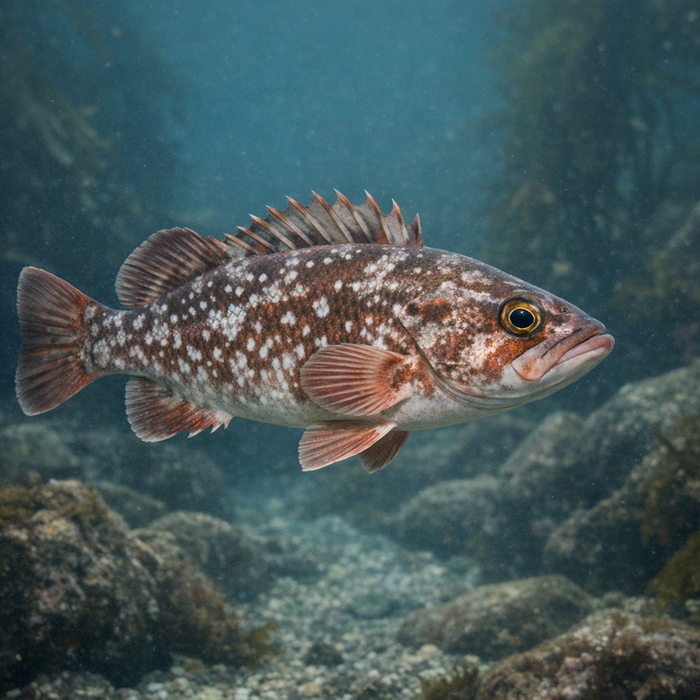
California scorpionfish (scorpaena guttata): Spiny, sneaky, and delicious, this reef sniper punishes sloppy rigs and sloppy hands.IntroductionThe California scorpionfish is the grumpy landlord of Southern California structure. It glues itself to rocks, jetties, breakwalls, and kelp edges, waits for something edible to wander too close, and then detonates with a vacuum inhale. Anglers love it because it's cooperative, tasty, and usually right where you expect it. Anglers also respect it because those dorsal spines are venom-tipped, and lesson one is don't wear a sculpin as a glove. If you're hunting quick fillets near home, few targets beat the California scorpionfish.What Makes the California scorpionfish Unique?Start with the hardware. This species carries a row of venomous dorsal spines built purely for defense. The toxin is heat-labile, which is why hot water is the go-to first aid if you get tagged. Add world-class camouflage. California scorpionfish wear mottled reds, oranges, and browns with frilly skin tassels that break their outline. They don't cruise much; they vanish in plain sight and let prey make the first mistake. For anglers, that means you're fishing the bottom, tight to gnarly structure, and you're probably getting bit if you're in the zone.Habitat & Global RangeIf you want California scorpionfish habitat, think rock and relief. This species haunts boulder fields, reef fingers, kelp-encrusted ledges, and manmade structure from harbors to oil platform legs. Depth-wise, you'll meet them from the intertidal down to deeper reefs, with a sweet spot from jetties and breakwalls out to mid-shelf stones. While their core is Southern California and northern Baja, they appear up the West Coast in patchy fashion. They don't run pelagic; they stick to the neighborhood. This is a fish you pattern around bottom contour and current, not blue water wanderings. If you're mapping California scorpionfish facts onto a chart, circle every rockpile and you're halfway done.Behavior & TemperamentPatient. That's their superpower. A California scorpionfish can hold one piece of rock for hours, twitching just enough to look alive. Low light and moving water perk them up. They're not picky when hungry; if it fits, it sits in the stomach. The bite is classic bottom-fish thump or dead weight that turns into headshakes. They don't sprint like bonito, but they punch hard early, and they're masters of wedging into crevices. Handle with care: the spines are real, and even a small fish can ruin your day.Ecological ImportanceThese scorpionfish are ambush predators that recycle energy from the scurrying crustaceans and baitfish crowd back into the reef. By parking on structure and hunting crepuscular windows, they pressure the brave and the careless, which shapes when and how smaller critters move. They in turn feed larger predators and anglers. Camouflage specialists like this signal a healthy, complex bottom; where you see a lot of them, you usually see lots of life.Conservation & Environmental PressuresCalifornia scorpionfish are resilient and relatively common, with a reputation for year-round availability. Still, they share water with heavily managed groundfish, and regulations shift with depth closures and seasonal windows. Habitat loss, harbor pollution, and warming events that rearrange kelp and forage can all nudge local abundance. The species is not a poster child for crisis, but the reef neighborhoods they call home benefit from clean water, intact kelp, and a balanced prey base.The FishyAF TakeCall it scorpionfish, call it sculpin, just don't call it boring. The California scorpionfish is the friendliest introduction to structure fishing you'll find: straightforward to locate, eager to bite, and premium on a plate. You learn tide, current, and bottom contact without a 40-mile run. Respect the spines, tie clean dropper loops, and fish edges where rock meets sand. If California scorpionfish habitat is your classroom, graduation tastes like golden-brown fillets and a cold beverage. That's a curriculum we can get behind.