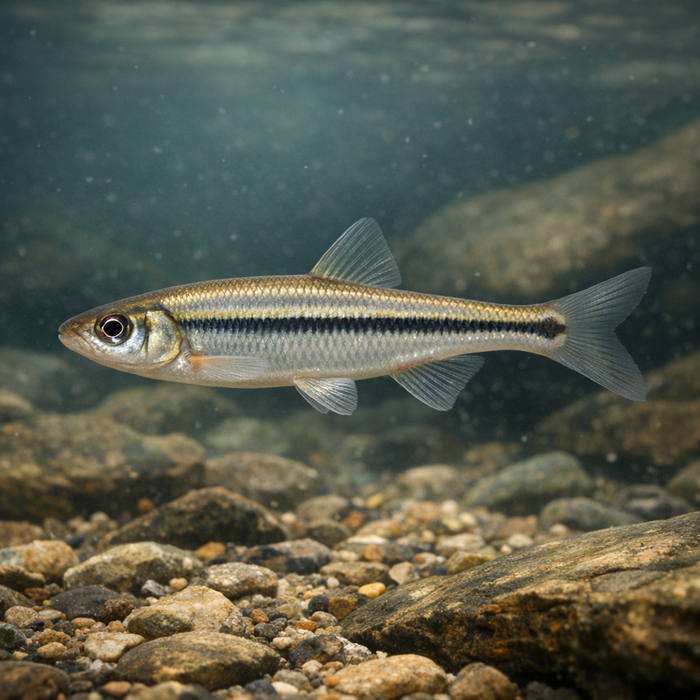
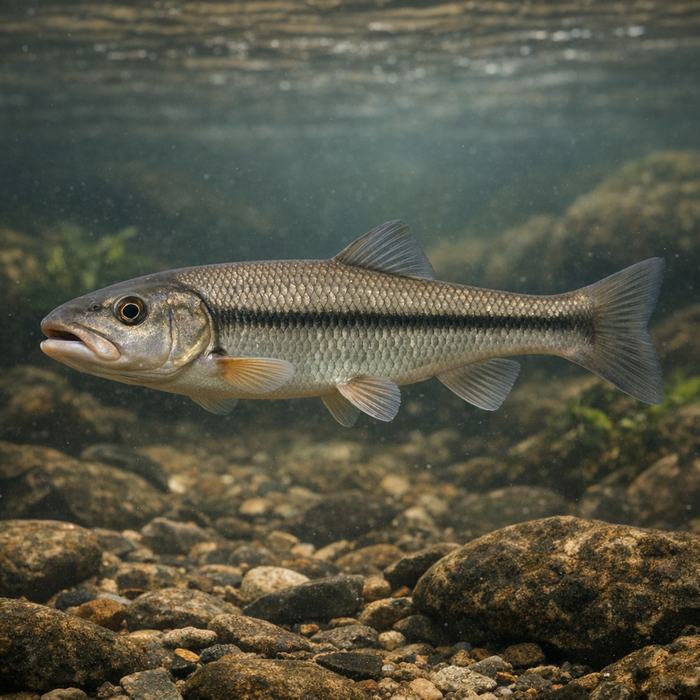
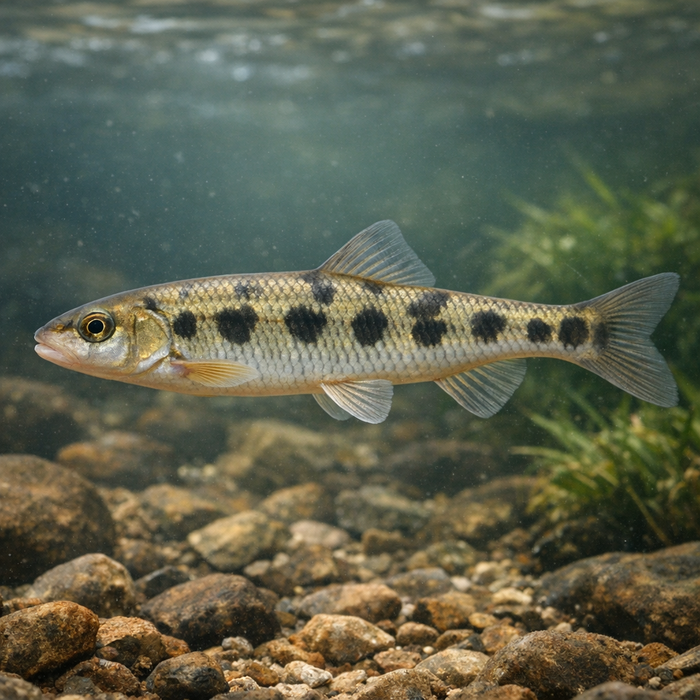
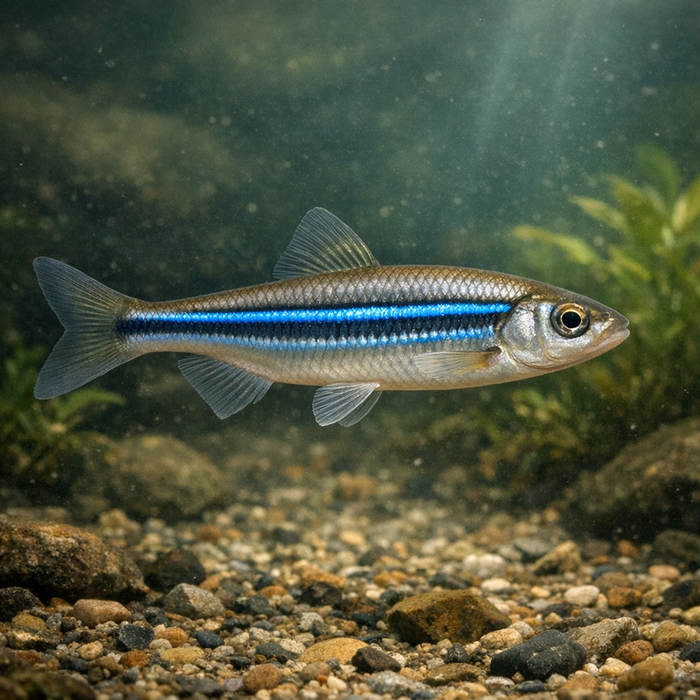
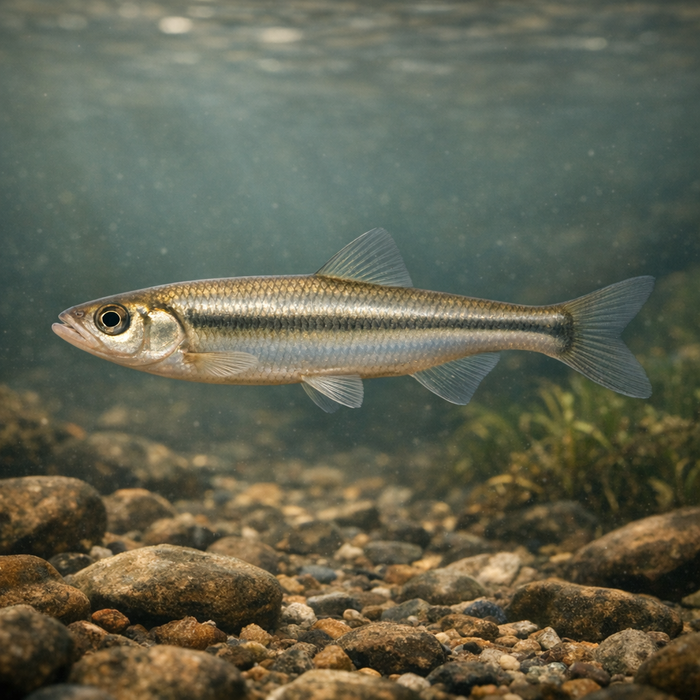
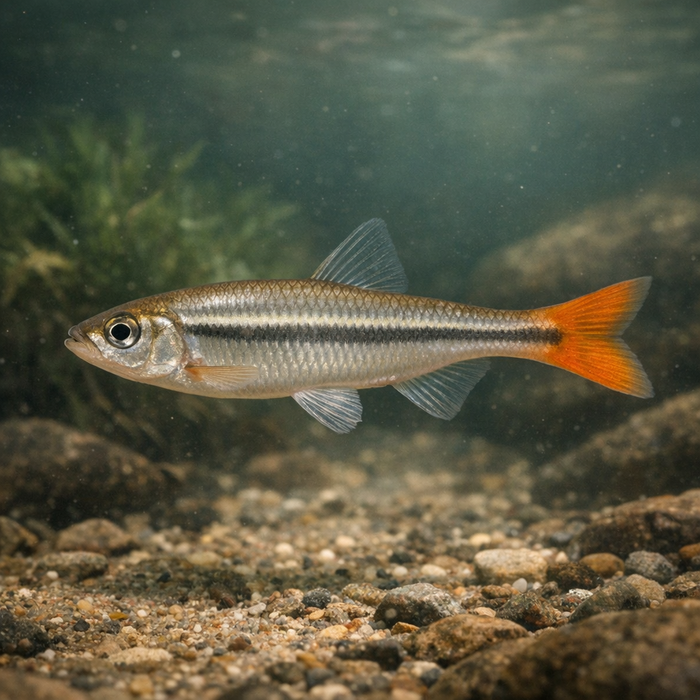
Highland Shiner (Notropis micropteryx): A Bold, Memorable Hook LineIntroductionThe Highland shiner looks like it was built by a minimalist engineer: tiny, fast, and purpose-tuned for sparkling current. You won't chase it for drag-scorching runs, but if you appreciate precision, stealth, and perfect water, this little rocket scratches the itch. Here are the Highland shiner facts that matter to anglers who like a challenge measured in millimeters, not pounds.What Makes the Highland shiner Unique?Start with the name. Notropis micropteryx literally nods to a short dorsal fin, and that compact top sail helps it slip through riffles without catching drag. The Highland shiner puts on a subtle show too: breeding males pick up lemon-washed fins and a brassy sheen that glints when a school pirouettes out of trouble. It's the definition of micro finesse, demanding pinhead baits, thin tippet, and a calm hand.Habitat & Global RangeThe Highland shiner lives the upland lifestyle. Think clear, cool to moderately warm creeks and small rivers with clean gravel and cobble, honest current, and enough oxygen to power a school that never stops twitching. If you're scouting Highland shiner habitat, you're hunting riffle edges, pool tailouts, and the seams off gravel bars. Depth is often ankle to knee, so stealth and smart angles beat brute force. Its range is regional rather than global, tied to interior highland drainages where gradient and geology keep water bright and bottoms tidy.Behavior & TemperamentCall it jittery with purpose. The Highland shiner schools tight, breaks formation to feed, then snaps back like a rubber band the instant a shadow twitches wrong. It holds midwater, dips to nip from the substrate, and dashes up when a drifting morsel flashes by. Aggression is low; accuracy is everything. Hooksets feel like tapping a raindrop, and anything clumsy sends the school two riffles up. Time your casts to micro feeding windows: low, stable flow; decent light but not blazing; and enough current to conveyor-belt food through the lane.Ecological ImportanceThe Highland shiner is a small fish that does big work. It turns drifting invertebrates into concentrated protein for larger predators, moves nutrients between riffles and pools, and broadcasts eggs over clean gravel that become lunch for everything with a mouth. Lose shiners like this and food webs wobble. Keep them humming, and the whole creek feels alive. Their sensitivity to silt and low oxygen makes them excellent bioindicators, a fancy way of saying when Highland shiner numbers slide, the stream is telling you something.Conservation & Environmental PressuresThe species is doing fine where streams stay clean and flowing, but it is not immune. Silt from poor road crossings and sloppy construction clogs the very gravel Highland shiner eggs need. Warmed, deoxygenated summer trickles push fish into shrinking refuges and invite heat-tolerant competitors. Over-widened channels obliterate the narrow seams and pocket water that define its neighborhood. Protect riparian cover, keep gravel clean, and guard spring and early-summer flows, and the Highland shiner stays common enough to make your micro box feel relevant.The FishyAF TakeYou don't chase a Highland shiner to fill a frying pan. You chase it because catching something two inches long on purpose is wildly satisfying. It's an honesty test for anglers: can you read water, move like a heron, and thread a sliver of worm on a hook you can barely see? If yes, welcome to the club. If not, this fish will teach you patience, presentation, and respect for small water. For anyone curious about Highland shiner facts, here's the headline: it's proof that precision beats power. And if you learn to consistently take Highland shiner in skinny riffles, your big-fish game quietly gets better too.