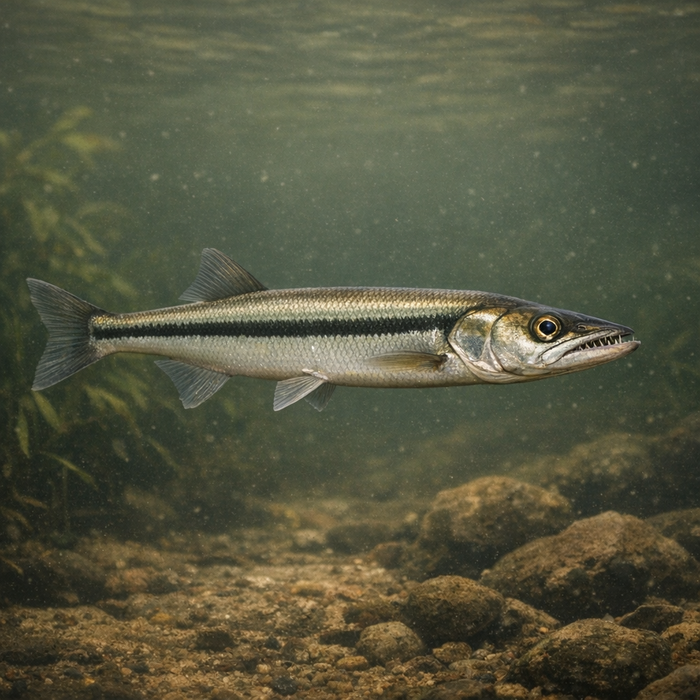
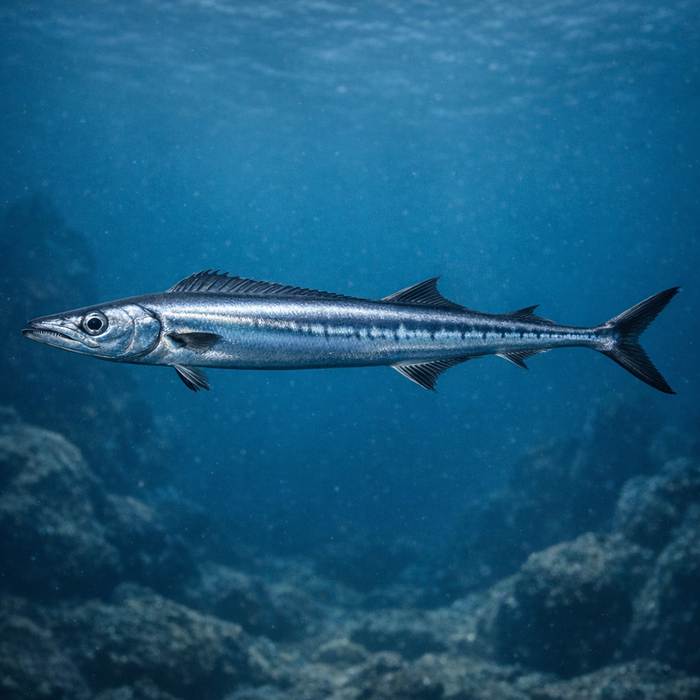
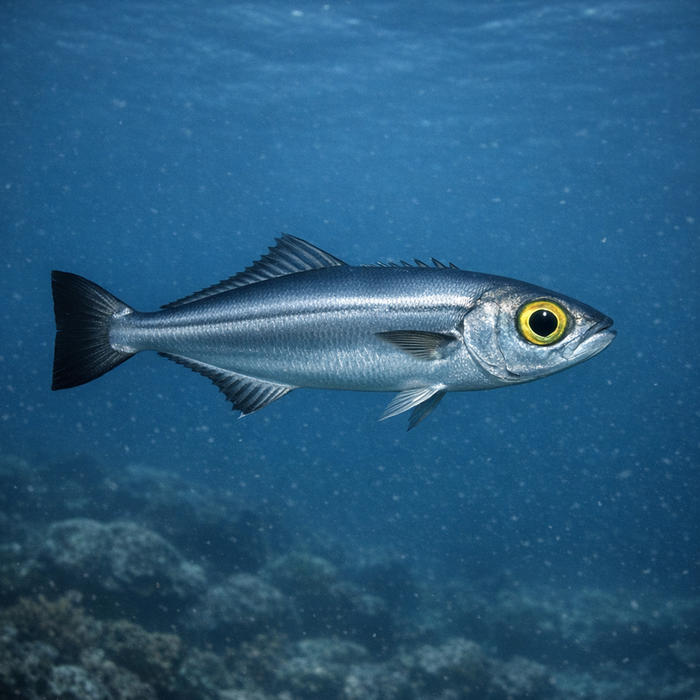
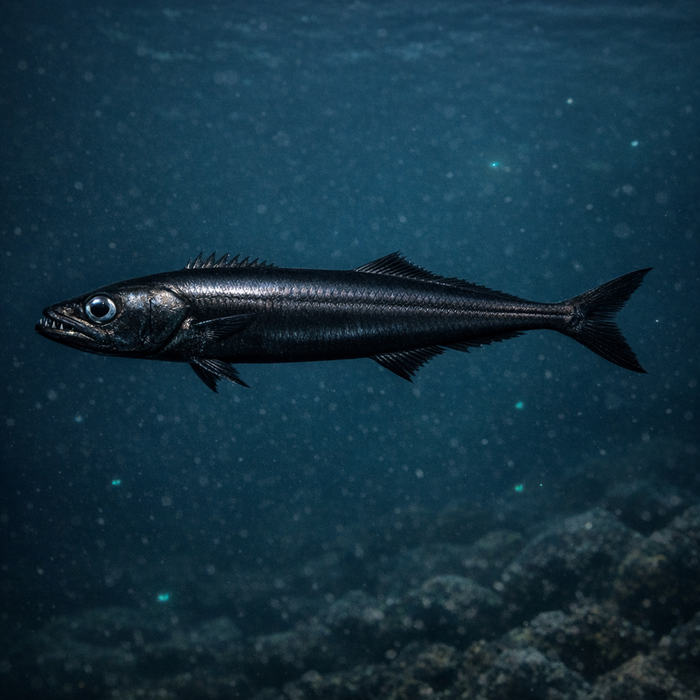
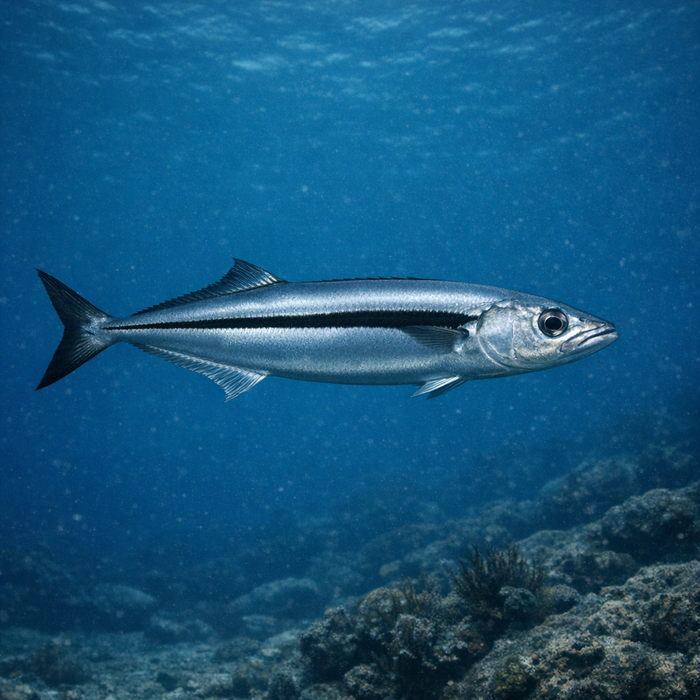
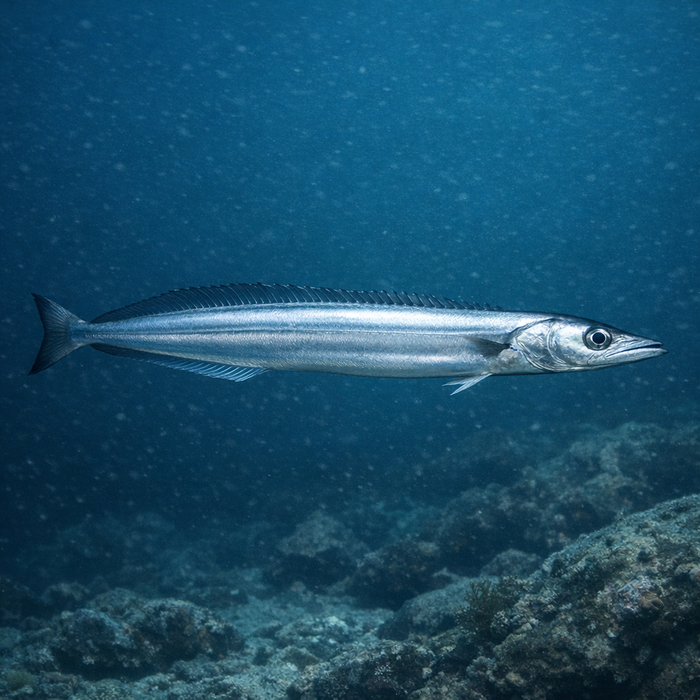
Long Snouted Lancetfish (Alepisaurus ferox): A Bold, Memorable Hook LineIntroductionMeet the ocean's silver switchblade. The long snouted lancetfish doesn't sprint like a wahoo or leap like a marlin, but it looks like a deep-sea fever dream: sail-like dorsal, needle nose, and a mouth full of glassy fangs. Most anglers cross paths with this species by accident while trolling for tuna, and that first deckside stare tends to stick. If you like strange, here's your unicorn. Consider this your crash course in Long snouted lancetfish facts and what to expect when one jumps your spread.What Makes the Long snouted lancetfish Unique?First, biology with a twist: the long snouted lancetfish is a simultaneous hermaphrodite, one of the largest vertebrates to carry both working ovaries and testes. Second, the body is more jelly than gym rat. Their musculature is water-rich and delicate, which explains the weird fight-flashes of speed, then a soggy surrender. Third, that top-sail dorsal isn't just for show. It can fold into a groove when the fish accelerates, then rise like a banner when it glides. Teeth? Think zipper. They interlock, letting Alepisaurus ferox clamp down on baitfish, squid, even their own kind.Habitat & Global RangeThe long snouted lancetfish is a creature of the blue desert. You'll encounter it far offshore in cobalt water, from temperate to tropical zones worldwide. It lives a vertical commuter life: deep by day, shallower at night, shadowing the vast deep scattering layer like a pickpocket working a crowd. Currents, temperature breaks, and bait concentrations matter more than seafloor structure. Long snouted lancetfish habitat spans midwater over thousands of feet of nothing, which is exactly why they show up on tuna grounds, along current edges, and near convergence lines where life stacks up.Behavior & TemperamentThis fish is an opportunist. If it moves like food, the lancetfish tests it. They'll slash at skirted lures, inhale rigged ballyhoo, and hammer deep jigs yo-yoed through midwater. Don't expect a prizefight. Expect a chaotic hookup, a few head-shakes, then a silver ribbon thrashing at the surface. Their stomachs often turn into a field guide-whole lanternfish, half-digested squid, sometimes a smaller lancetfish. They also upchuck on the ride up, leaving surprisingly intact prey on deck, which scientists actually love for diet studies. The long snouted lancetfish is not wary, just wildly pelagic and in the right place at the right time.Ecological ImportanceIn the food web, Alepisaurus ferox sits squarely as a mid-to-upper pelagic predator. It converts midwater biomass-squid, mesopelagics-into calories for bigger hunters like tunas, billfish, and sharks. That vertical day-night commute helps shuttle energy through depth zones, tying the dim midwater to the sunlit layer. When anglers wonder why lancetfish exist, the answer is simple: they're one of the ocean's many conveyor belts, moving energy upward and onward. Odd as they are, long snouted lancetfish help stitch together a huge swath of oceanic life.Conservation & Environmental PressuresYou won't see targeted commercial fleets chasing lancetfish fillets, and most recreational encounters are incidental. That's a plus for the species. The bigger pressures are indirect: bycatch in longline fisheries, shifting current patterns, warming water that shuffles the deck on bait distribution, and trash. These fish sometimes swallow plastics drifting among the real forage, which never ends well. Globally they're not on most watchlists, but smart anglers treat the ocean like a pantry they actually want stocked. Pack out trash, cut smart spreads, and release cleanly if you don't need the fish.The FishyAF TakeThe long snouted lancetfish is peak offshore weird. It's the fish your buddy posts at 2 a.m. with the caption what is this thing. As a target, it's a side quest on the tuna trail: keep trolling, and eventually one will try to eat your plastic squid. As table fare, it's a hard pass unless you enjoy watery fillets and disappointment. As a story, it's gold. If your offshore day coughs up a long snouted lancetfish, admire the sail, dodge the fangs, snap the pic, and log another chapter in your deep-blue bingo card. That's the essence of Long snouted lancetfish habitat fishing: be where life stacks, and let the ocean surprise you.