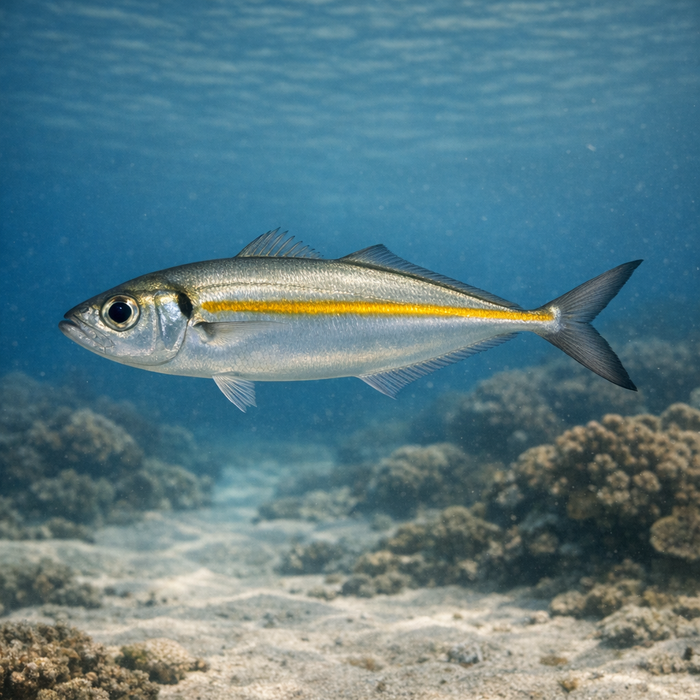
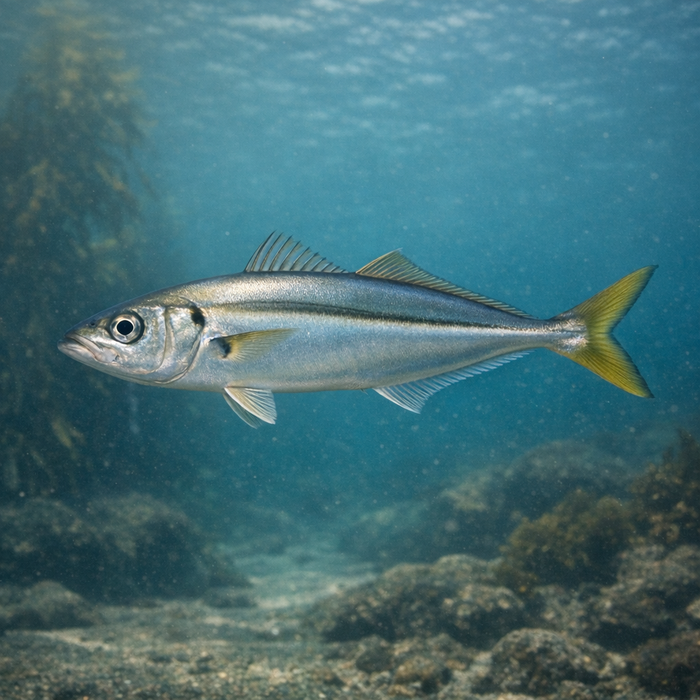
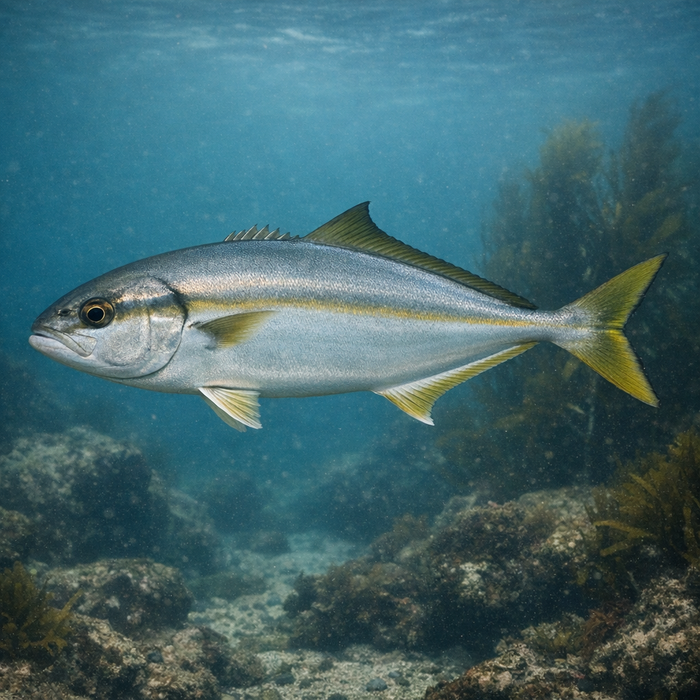
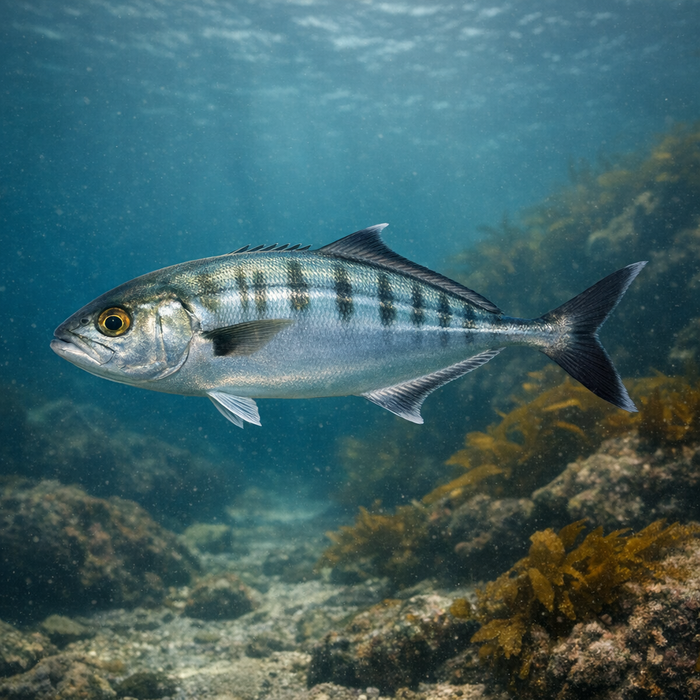
Mackerel Scad (Decapterus macarellus): A Bold, Memorable Hook LineIntroductionThe mackerel scad is the shifty little silver rocket that keeps entire oceans humming. It fuels tuna hunts, lights up under pier lamps, and schools so tight it looks like the water itself is moving. If you've fished salt for any amount of time, you've met this fish or used it as bait, whether you knew it or not. Consider this your fast, no-nonsense guide to the species and the Mackerel scad facts that actually matter.What Makes the Mackerel Scad Unique?Two features jump out. First, the mackerel scad wears an adipose eyelid, a transparent "spoiler" that streamlines the eye so it cuts water cleanly at speed. Second, it's built for volume living: long, narrow body, quick tailbeat, and gill rakers fine enough to hoover zooplankton. Those design choices turn small calories into big energy for everything from mahimahi to ahi. For anglers, the mackerel scad is the ultimate utility fish: easy to catch in numbers, lively in a bait tank, and voracious enough to keep the action rolling.Habitat & Global RangeTalk "Mackerel scad habitat" and you're talking tropical to warm-temperate bluewater that brushes the coast. They haunt the edges: reef drop-offs, channel mouths, harbors, headlands, and FADs. By day, schools often hang midwater off structure; at night they surge shallow under lights to feed. The species is widespread across the Atlantic, Indian, and Pacific basins, with local names and distinct traditions surrounding it. Whether you're on a Pacific atoll, a Hawaiian harbor, or a Caribbean channel, the same patterns show up: current, bait, and quicksilver flashes.Behavior & TemperamentThe mackerel scad is a herd animal with a short attention span, and that's a compliment. It moves in dense, coordinated schools, popping to the surface during frenzies then vanishing to midwater when pressured. It responds strongly to light and current, tightening up into bait balls when predators push. Individually, a hooked fish darts and wriggles rather than slugging it out, but a dozen on a sabiki can feel like a respectable fight. Their feeding windows widen in low light, with dusk-through-dawn often producing ridiculous numbers.Ecological ImportanceYou want ocean energy transfer? This is the gearbox. The mackerel scad converts microscopic plankton into calories that fuel apex predators and human fisheries. It's central to many pelagic food webs and underpins artisanal to industrial catches as food and bait. Pull it out of the equation and a lot of offshore drama goes quiet. That's why understanding true Mackerel scad facts matters for anyone who cares about the bigger picture offshore.Conservation & Environmental PressuresOverall, the species is listed as Least Concern, and that tracks with its life history: fast growth, early maturity, serial spawning. Still, localized pressure is real. Lights, FADs, and efficient gear can hammer schools if harvest isn't moderated. Water quality around harbors matters too; these fish crowd shorelines at night, where pollution and low oxygen can stack the deck. Climate shifts that tweak current and plankton timing can ripple through mackerel scad availability, which in turn echoes up the food chain.The FishyAF TakeUnderestimate the mackerel scad at your own peril. It's the unsung muscle behind many hero shots and a worthy target when you want to make something happen, fast. If you're scouting new water, find the scad and you've probably found the neighborhood where everything else eats. Handle them gently, ice what you'll keep, and let the rest power tomorrow's bite. Small fish, big consequence. That's the mackerel scad, and we're here for it.