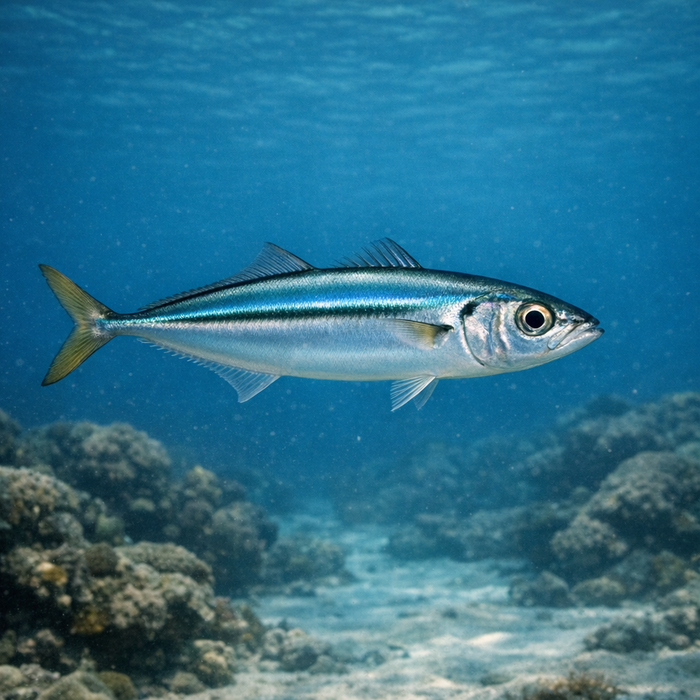
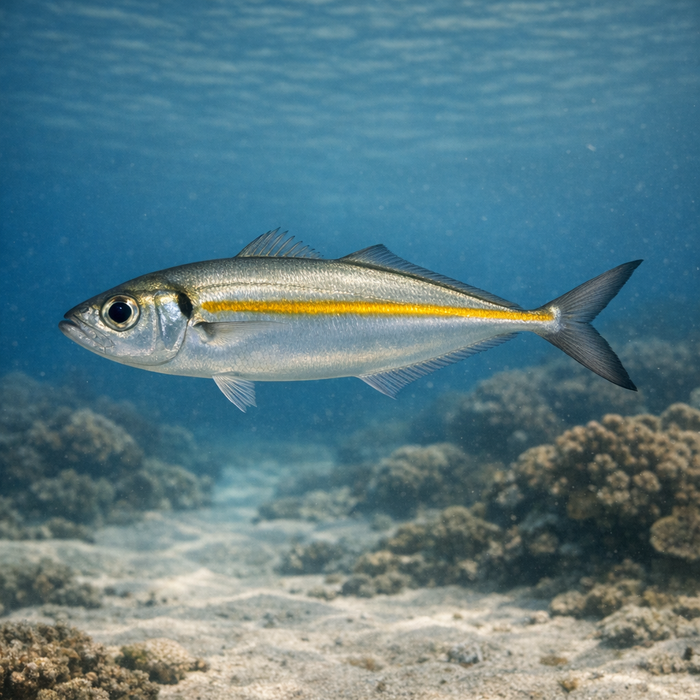
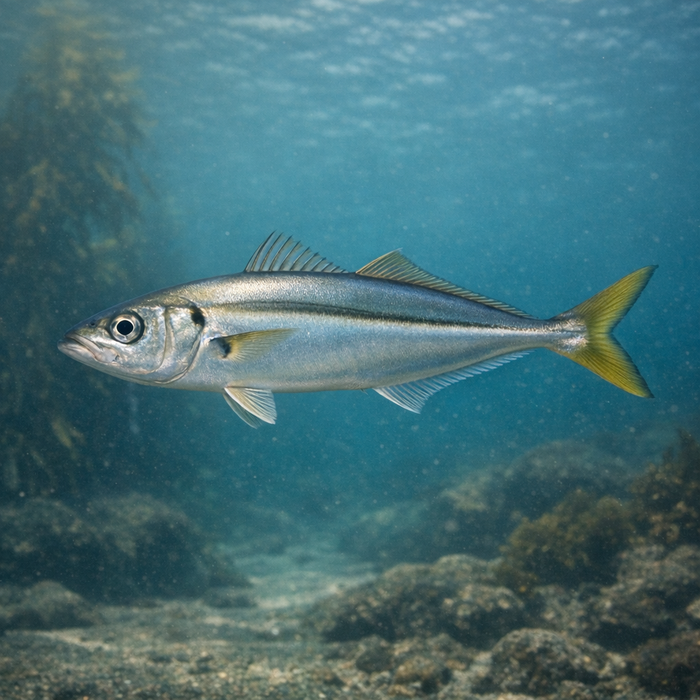
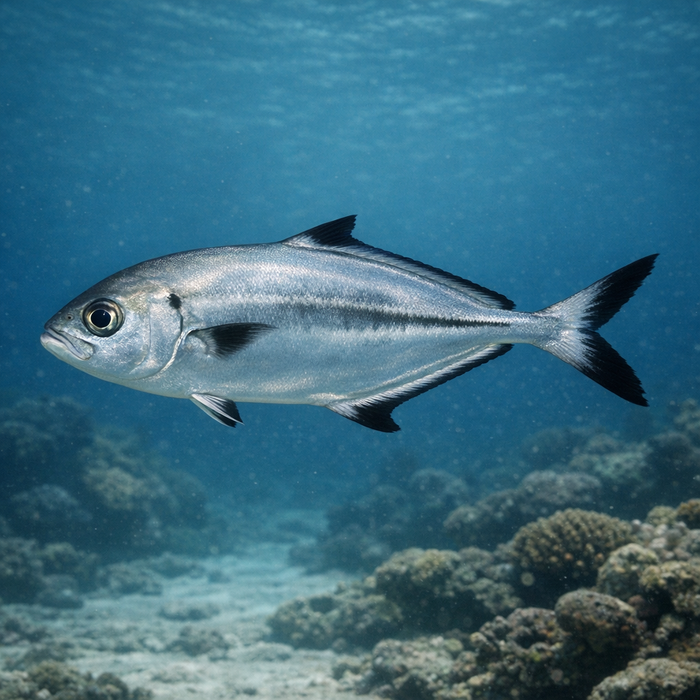
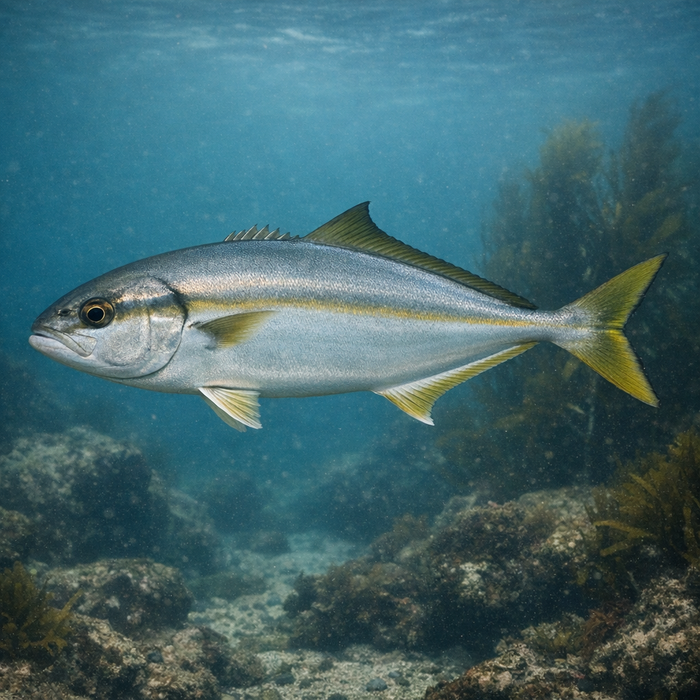
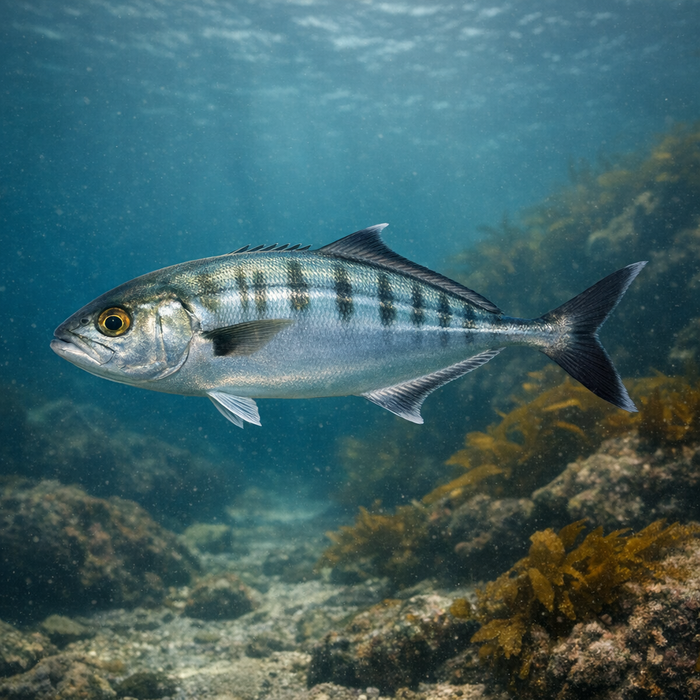
Pilotfish (Naucrates ductor): A Bold, Memorable Hook LineIntroductionThe pilotfish is the flashy hype-man of the bluewater world, rocketing beside sharks and ships like it owns the lane. It's small, striped, and fearless, and if you're offshore long enough, odds are you'll meet one riding the chaos under a FAD or buzz-sawing through a chum line. For anglers chasing pelagics, pilotfish are the loud little clue that the open ocean isn't empty at all.What Makes the Pilotfish Unique?Two things: loyalty and nerve. The pilotfish famously tags along with big predators and floating objects, sometimes for days, nabbing parasites and scraps with reckless confidence. Those bold, zebra-like bars aren't just for show; they can crank from pale to in-your-face depending on speed, stress, or feeding. Toss in the name's origin, a nod to tales of "guiding" sharks or even ships, and this fish brings more lore per pound than most bluewater giants.Habitat & Global RangePilotfish habitat is the sunlit open ocean, especially wherever structure meets current: FADs, drift lines, weed mats, ships, and sharks. They're truly global in tropical and warm-temperate waters, hugging anything that breaks up the monotony of blue. Think of them as open-ocean opportunists. No reef necessary, no dock required. If it floats or moves through the gyres, pilotfish will probably check in. That global footprint is why searching "Pilotfish habitat" or "Pilotfish facts" delivers a common thread: find flotsam, find pilots.Behavior & TemperamentThese fish are fearless sprinters with short attention spans and a pack mentality. They school up, dash for scraps, and drill down on tiny baits in the upper water column. Juveniles are even bolder, tucking into jellyfish skirts or parking under anything that casts shade. Around sharks, pilotfish hover just out of danger, darting in for parasites near the gills and snatching stray bits during feeding blitzes. Curiosity is off the charts; a sabiki, a sliver of squid, or a micro jig often gets mauled immediately.Ecological ImportancePilotfish stitch together the surface food web. They recycle predator leftovers, clean parasites, and funnel energy from drifting plankton clusters into higher links. Their fixation on floating debris turns otherwise empty blue into productive micro-reef neighborhoods. They also serve as living beacons. When pilots flash in numbers, it often signals bait, current edges, or big predators in the mix. That's unofficial ecosystem telemetry that many offshore crews learn to read instinctively.Conservation & Environmental PressuresListed as Least Concern, pilotfish aren't a management headache, but they aren't bulletproof either. Debris dependence cuts both ways. Natural flotsam helps; plastic junk harms. Ghost nets, discarded line, and microplastics don't care how tough you look in stripes. Large-scale FAD fisheries can alter behavior and bycatch dynamics too. The species is hardy and widespread, yet its bluewater neighborhood is changing fast. Keep the surface clean and the current edges alive, and pilotfish keep doing pilotfish things.The FishyAF TakePilotfish are proof that swagger beats size in the open ocean. They aren't trophies, but they're excellent teachers. Want to understand bluewater? Study what these striped punks obsess over: current, shade, motion, and opportunity. When a pilotfish shows up, so does intel. If you're chasing mahi, wahoo, or billfish, don't ignore the tiny hype-team buzzing the bow wake. That's the ocean whispering: pay attention, something's happening out here.