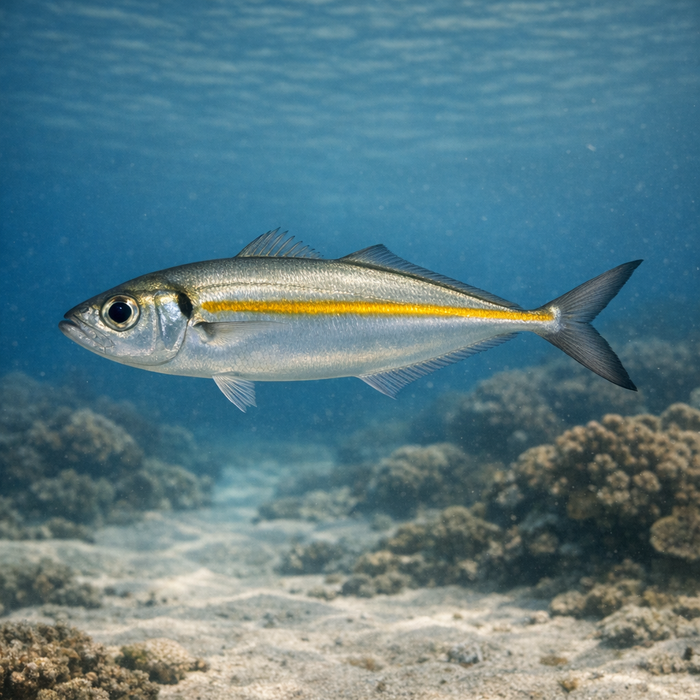
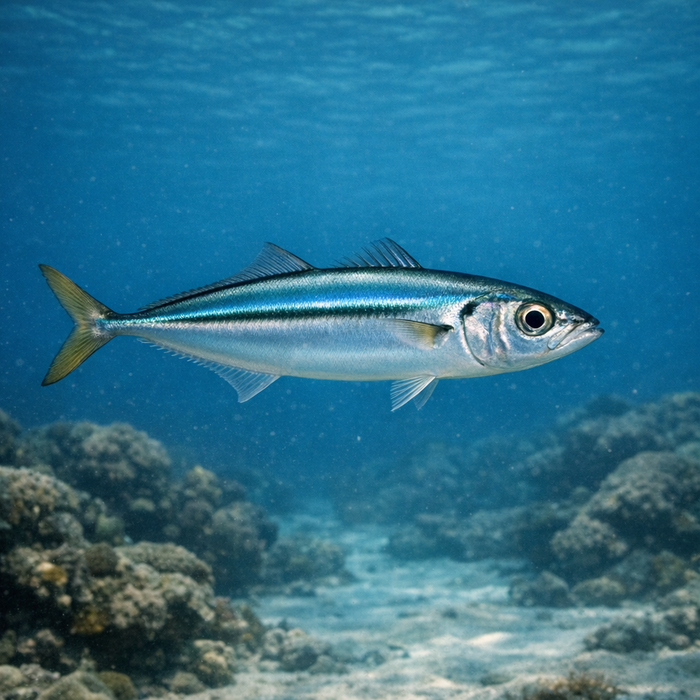
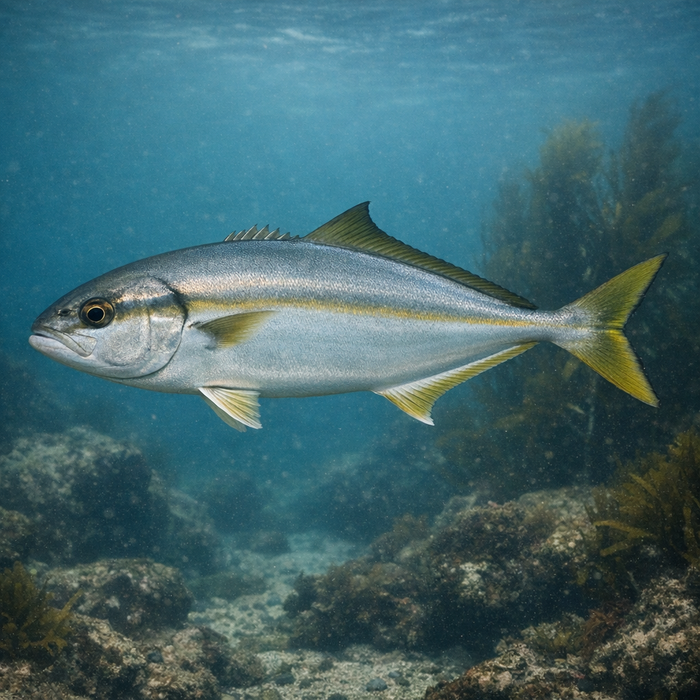
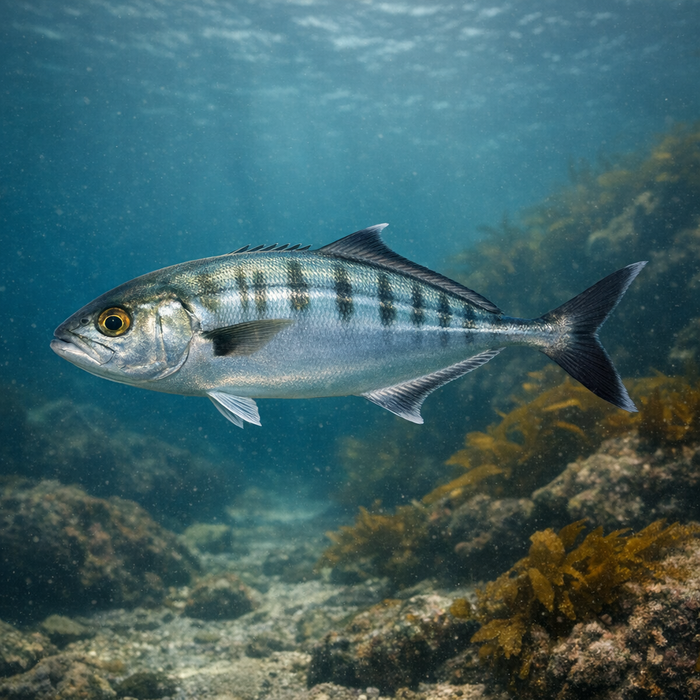
Pacific Jack Mackerel (Trachurus symmetricus): Fast, Flashy, And Way More Interesting Than You ThinkIntroductionThe Pacific jack mackerel is the silver streak that turns calm water into a bubbling cauldron the minute it pins bait. It's the fish that turns piers into festivals and fills coolers when nothing else cooperates. Small? Usually. Boring? Not even close. This schooling speedster is built for the California Current, flicking from coastal edges to open water with effortless efficiency.What Makes the Pacific jack mackerel Unique?For starters, the Pacific jack mackerel is a shape-shifter at the dinner table. It can hunt like a classic predator, snapping down anchovies, then switch to ram filter-feeding when plankton blooms go off, using comb-like gill rakers to strain the buffet. It also wears armor: a line of bony scutes runs along the lateral line, giving it a tactile, riveted feel. And check the eyes: adipose eyelids act like built-in goggles, trimming drag for long, efficient swims. These aren't gimmicks; they're evolutionary cheat codes for life in moving water.Habitat & Global RangeWhen anglers talk Pacific jack mackerel habitat, they really mean energy: current lines, upwelling zones, kelp edges, harbor mouths, and the continental shelf. This species thrives where bait and flow meet. Along the West Coast and up into Alaska in warmer years, schools slide inshore through spring and summer, then drift deeper or roam wider when conditions cool. It's a classic coastal pelagic: comfortable tight to the beach one day, ghosting open water the next. Search the rips, watch the birds, and you'll figure out the pattern.Behavior & TemperamentPacific jack mackerel run in big, mobile schools that can stretch for literal miles. They're opportunistic and fast, flaring into blitzes that churn the surface, then dropping to midwater when the heat's off. Light levels matter. Dawn and dusk windows are prime, though chummed piers will pull fish any time the current brings scent. They're reactive rather than spooky; get a small jig or bait into the column and you'll feel machine-gun taps as the school lights up. Hook one, and you'll often hook three.Ecological ImportanceThis fish is a classic middle-link player in the California Current. Pacific jack mackerel vacuum up zooplankton and anchovies, then pay it forward to bigger predators: yellowtail, salmon, sharks, sea lions, and seabirds. In big upwelling years, schools balloon and push nutrient energy along the coast like freight trains. Plenty end up feeding people, too, whether on the grill, smoked, or canned. If you're collecting Pacific jack mackerel facts, start here: it's less a footnote and more a keystone cog.Conservation & Environmental PressuresThe species is listed as Least Concern, and that tracks with its life history and wide distribution. Still, it moves with climate and prey, so heat waves, altered upwelling, and low-oxygen events can relocate the party. Commercial effort has been variable over decades, and while the stock isn't ringing alarms, smart management for forage fish always matters. Keep an eye on shifting ranges and year-class strength; the ocean writes new rules every few seasons.The FishyAF TakeHere's the play: Pacific jack mackerel are honest fish. They reward timing, current sense, and a little hustle. You don't need fancy gear or mystical techniques. You need small hooks, moving water, and the nerve to follow birds and rips instead of vibes. They're perfect for new anglers and still a blast for salty veterans who appreciate a full cooler and nonstop action. Call it a gateway pelagic with legit attitude. That's a winning combo in any tide book.