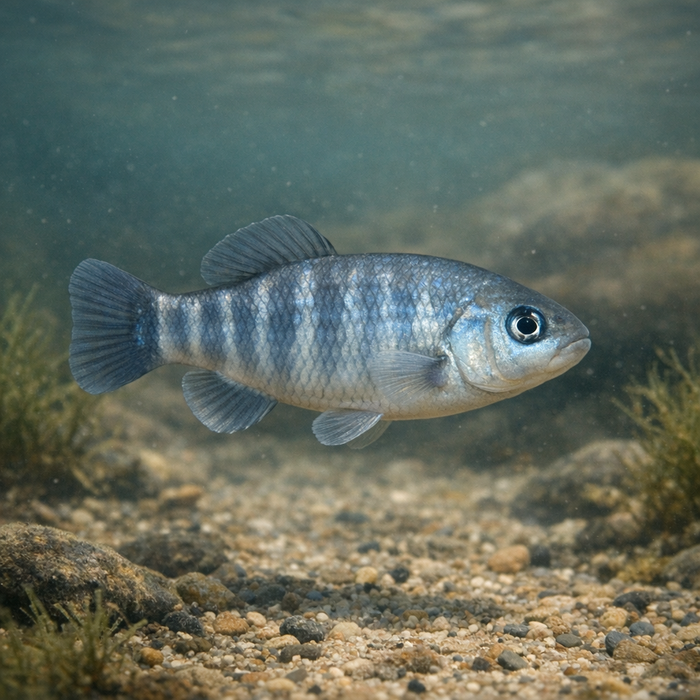
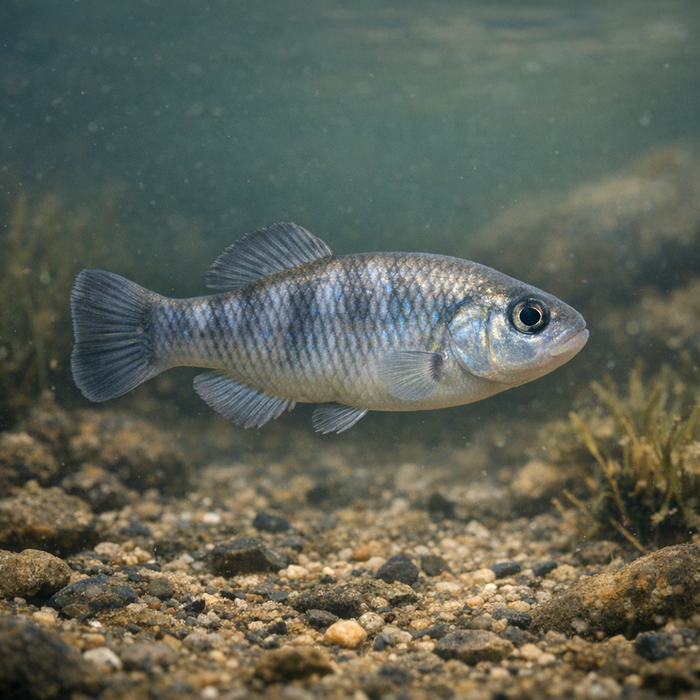
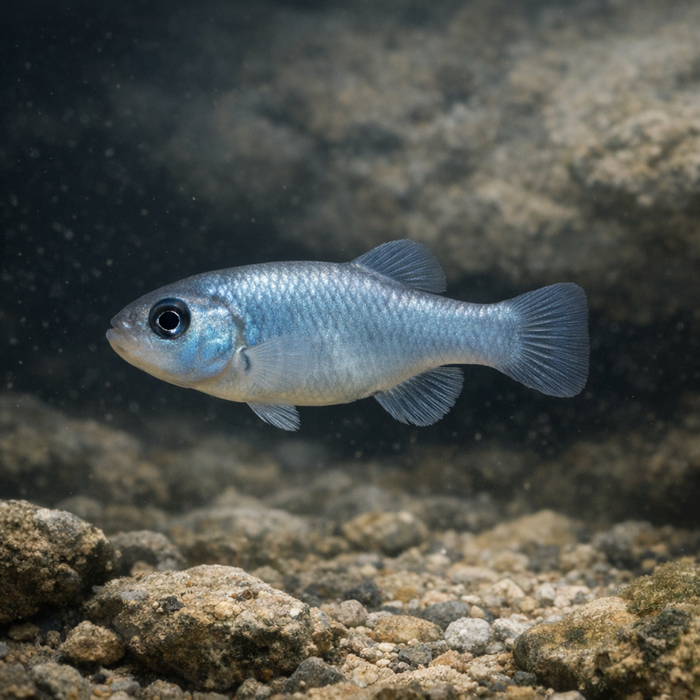
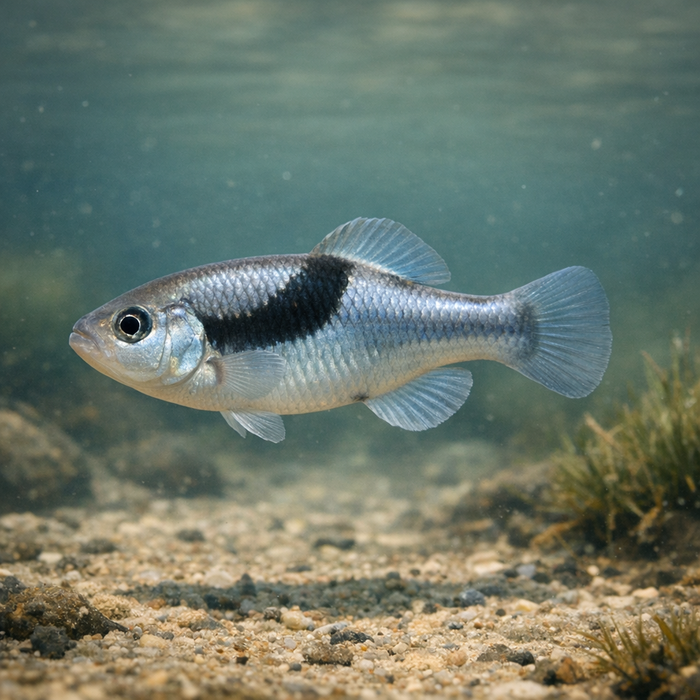
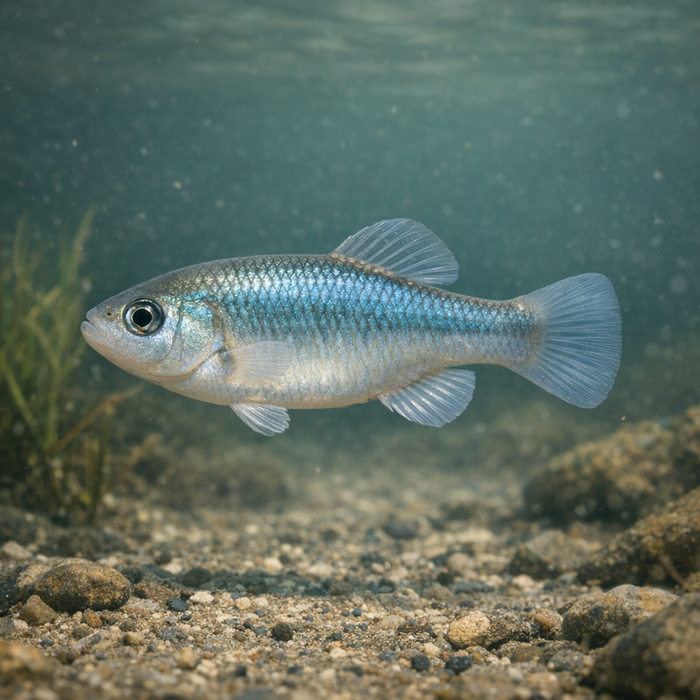
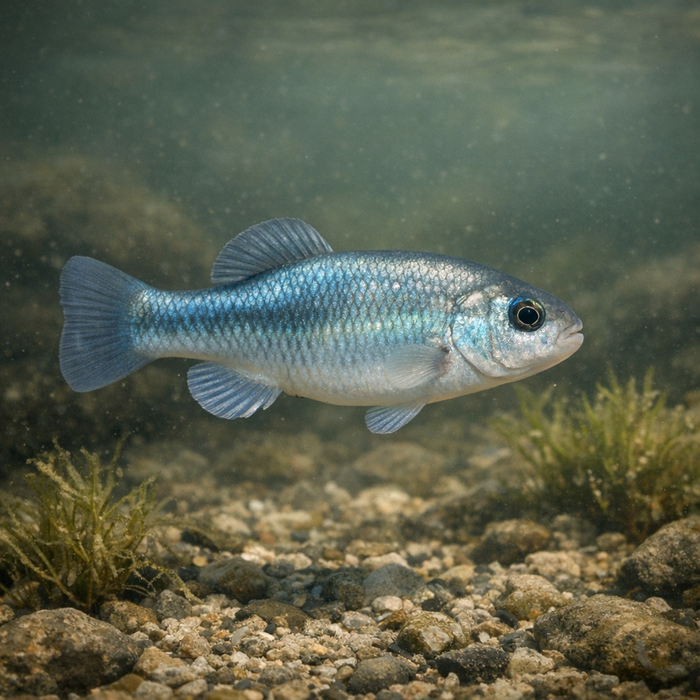
Owens pupfish (Cyprinodon radiosus): A desert survivor with a comeback story you can actually cheer for.IntroductionThe Owens pupfish is proof that a fish doesn't need to be big to be legendary. This thumb-sized brawler outlasts heat, salt, and drought in the Owens Valley of California. It even dodged extinction thanks to a last-second bucket brigade by a biologist who wouldn't quit. If you're here for Owens pupfish facts or curious about Owens pupfish habitat, you'll find a species that rewrites the rules of "tough."What Makes the Owens pupfish Unique?First, durability. Cyprinodon radiosus handles hot, alkaline water that would flatten most freshwater fish. As temperatures rise, it just keeps cruising and breeding. Second, speed. The life cycle is blisteringly fast: adults mature quickly, spawn often, and reset the population when conditions turn favorable. Third, story. The Owens pupfish rode the edge in the late 1960s, when a biologist famously carried the last survivors in two buckets to safety. Few fish have a rescue tale baked so deeply into their identity.Habitat & Global Range"Global range" is a stretch. The Owens pupfish is a born-and-bred local, tied to desert spring systems and marshy pondlets in California's Owens Valley near Bishop and Big Pine. Picture shallow, weedy margins, mucky bottoms, and sun-baked flats. Vegetation mats and undercut edges give cover. Salinity and alkalinity run high compared to standard trouty water, but this fish is built for it. There's no meaningful migration here; it's a game of hanging on where groundwater bubbles up, and managers keep those refuges functional.Behavior & TemperamentDon't let the size fool you. Males defend dinner-plate territories with flashy, electric-blue breeding colors. They aren't freight-train fighters, but they are feisty neighbors, jousting with fin flares and quick dashes. Feeding looks like pecking: short, snappy bites at algae films and tiny invertebrates. Activity ramps in warm conditions, and in stable spring habitats, you'll see fish across the water column: nosing bottom, flicking midwater, and nipping near the surface when insects are easy pickings.Ecological ImportanceThe Owens pupfish is a keystone of a fragile desert-spring web. It shuffles energy from algae and micro-inverts up the chain, feeding birds, snakes, and larger fish in mixed systems when present. Its presence flags a functioning spring: stable flows, intact vegetation, and tolerable chemistry. Lose the pupfish and you probably lost a lot more than a small fish; you likely lost the spring's soul and the suite of species that ride along with it.Conservation & Environmental PressuresThe big villains are habitat loss, water diversion, invasive species, and the general chaos of drying deserts. A century of plumbing the Owens Valley left springs isolated and vulnerable. Non-native fish and amphibians add predation and competition the pupfish can't outrun. The good news: managers now guard multiple refuges, monitor genetics, and maintain flows. The bad news: climate whiplash and groundwater demand keep the pressure on. Regulations are strict. There is no legal take, no casual handling, and definitely no trophies.The FishyAF TakeThe Owens pupfish is the rare fish where the best move is to keep your tackle in the truck. If you want to "target" one, bring binoculars and reverence. Watch a male throw blue flames over a patch of weeds and call that a win. You'll get a better story than any grip-and-grin: a native that learned to thrive in bathwater and still needed a human with two buckets to buy it time. Respect the rules, spread the gospel, and maybe flex your skills on a legal micro species elsewhere. Some fish should be counted with eyeballs, not scales.