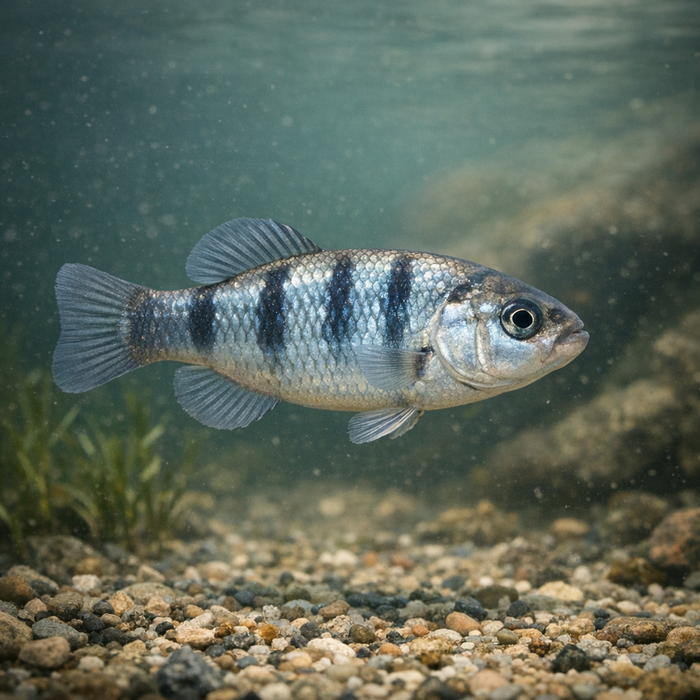
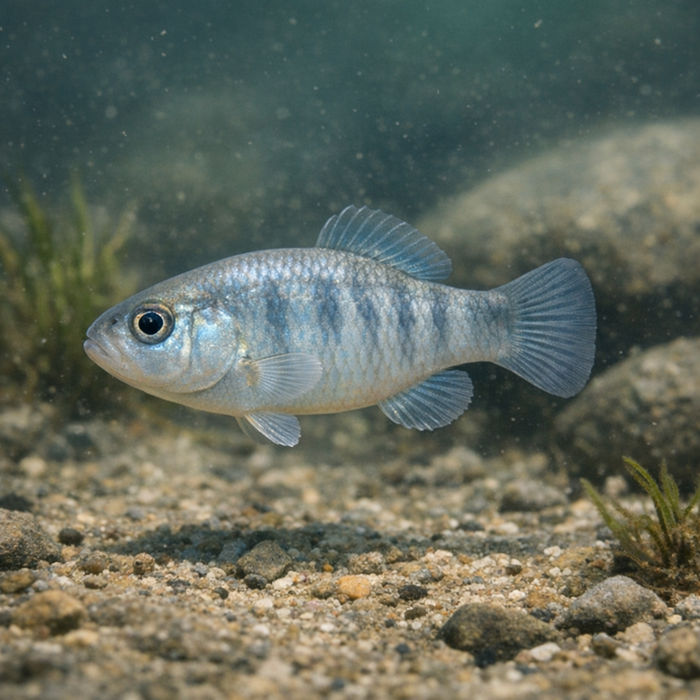
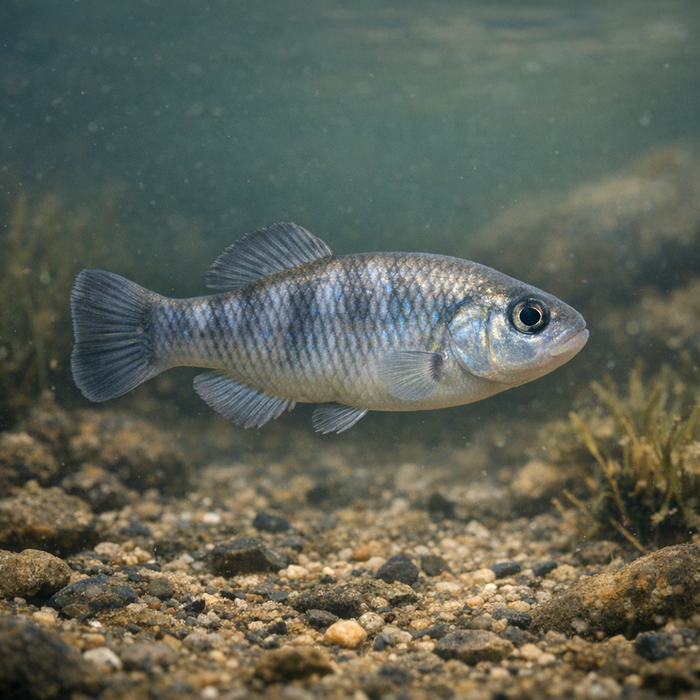
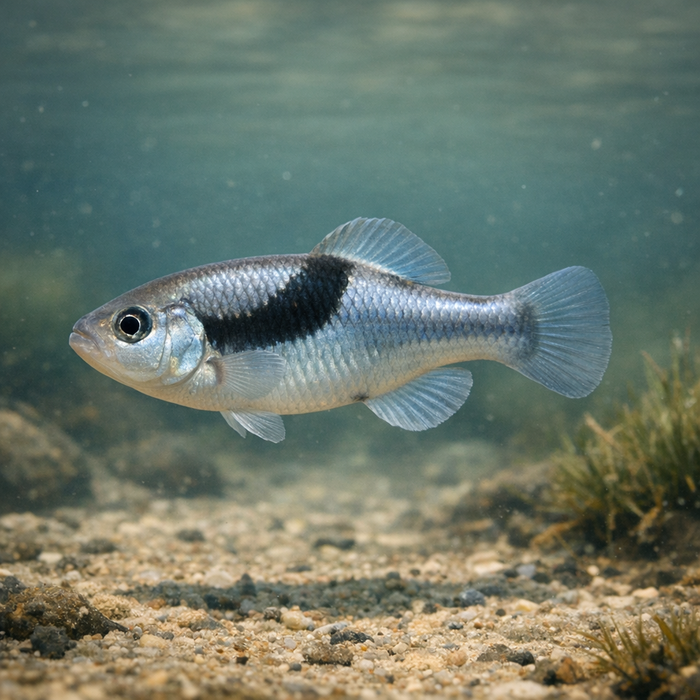
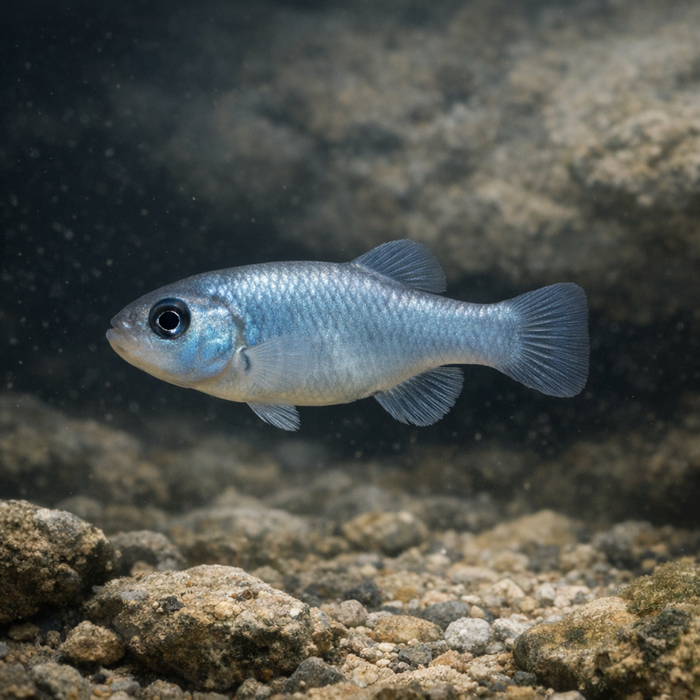
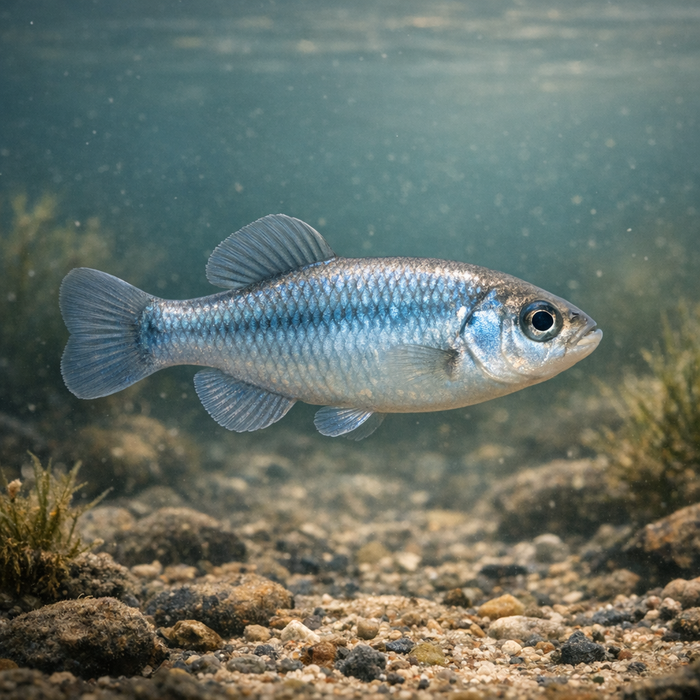
Amargosa Pupfish (Cyprinodon nevadensis): Desert Tough, Pocket-Size, And Shockingly BoldIntroductionMeet the Amargosa pupfish, the desert's tiniest heavyweight. This fish looks like a silver-blue spark plug with attitude, crammed into ankle-deep water hot enough to poach an egg. If you're into Amargosa pupfish facts, start with this: they live where fish supposedly shouldn't, and then proceed to brawl, breed, and bulldoze algae like they own the place.What Makes the Amargosa pupfish Unique?First, thermal tolerance. The Amargosa pupfish keeps cruising when temperatures rocket into triple digits, a temperature band that sends most freshwater fish belly-up. Second, speed breeding. A single warm season can roll multiple generations as females lay tiny batches of eggs every few days. Third, swagger. Males turn electric blue during the spawn and joust over territories the size of a pizza slice. Few fish pack so much spectacle into so little water.Habitat & Global Range"Amargosa pupfish habitat" means desert springs, marshes, and salty creeks in the Amargosa Basin of California and Nevada. Think trickles, seeps, and shallow channels braided through cattails and saltgrass. Water can be clear, tea-stained, or saline enough to stunt anything less stubborn. These pools are often small, isolated, and fed by springs that rise from deep groundwater, so every riffle, bend, and undercut matters. Their world is tiny but complex, with microcurrents, mats of algae, and sunlight creating buffet lines on every submerged stem.Behavior & TemperamentDespite the toy size, the Amargosa pupfish is spicy. Males posture, chase, and defend bite-sized plots, while loose clusters of fish pinball between shallow edges and midwater lanes. They graze like lawnmowers, snipping diatoms and detritus, but will snap at drifting invertebrates without hesitation. Activity tracks the sun and warmth: chilly days slow the party, warm afternoons supercharge it. They're not shy in the way wild trout are; they're busy, bold, and perpetually in your face.Ecological ImportanceThe Amargosa pupfish may be small, but it's a linchpin in a fragile food web. Its constant grazing keeps algal films in check and recycles nutrients in habitats that can flip from feast to famine overnight. It's also a living siren for desert water health. If a spring goes silent, salinity spikes, or invasive mosquitofish push in, the Amargosa pupfish is one of the first alarms to ring. In short, protecting this little scrapper stabilizes an entire micro-ecosystem.Conservation & Environmental PressuresThis fish faces a long list of sucker punches: habitat loss from groundwater pumping, channel alteration, invasive fish, and contamination. Many strongholds sit inside protected areas for a reason. Because habitats are small and isolated, one bad flood, drought, or invasive surge can smack a whole population. Agencies and researchers monitor Amargosa pupfish numbers closely, build barriers against invaders, and restore spring flows where possible. It's a grind, but it works-given a little water and a clean runway, these fish rebound fast.The FishyAF TakeThe Amargosa pupfish is the definition of punch-above-your-weight. It's not a conventional sportfish, and in many places you shouldn't fish it at all. But as a lesson in wild resilience and desert weirdness, nothing beats watching a neon-blue male shoulder-check rivals in water you could step across. If you're after a bucket-list moment, bring a camera, not a stringer. Learn the landscape, respect closures, and let this turbo-charged micro show you how life thrives where it's not supposed to. That's the kind of power the Amargosa pupfish delivers-proof that big charisma sometimes comes in two inches of fish.