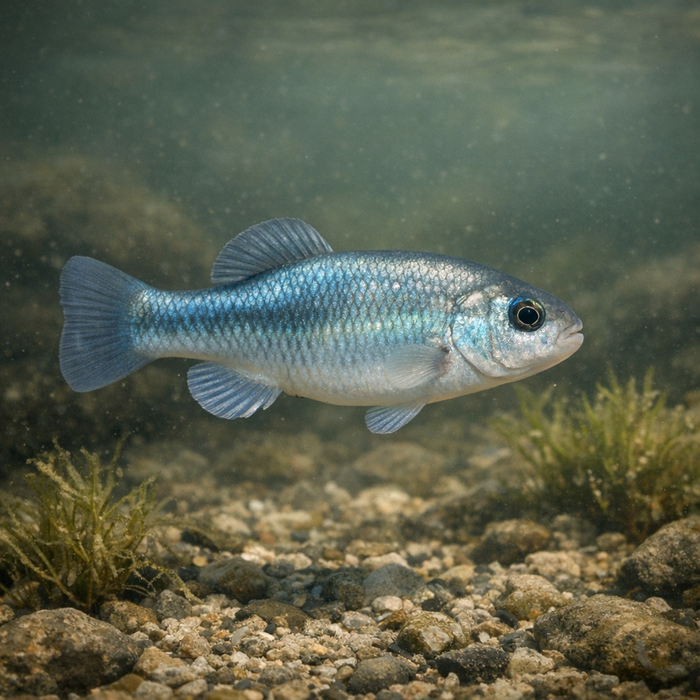
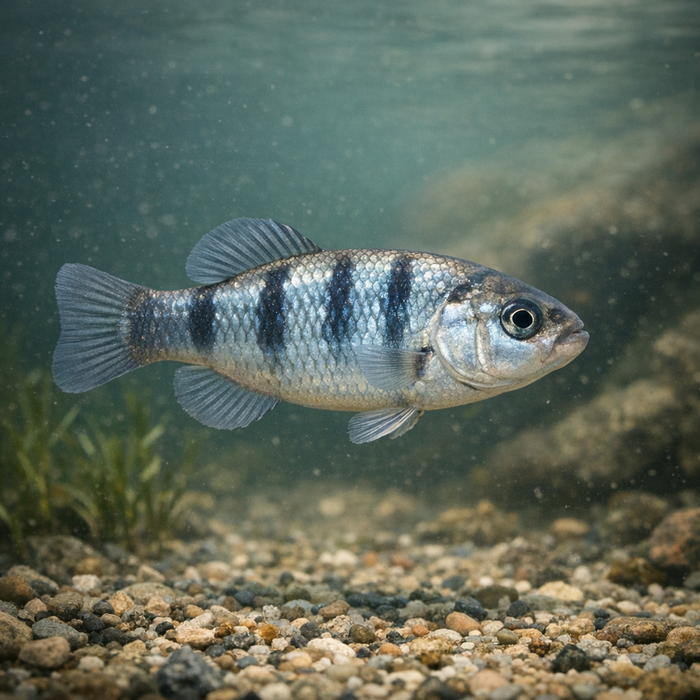
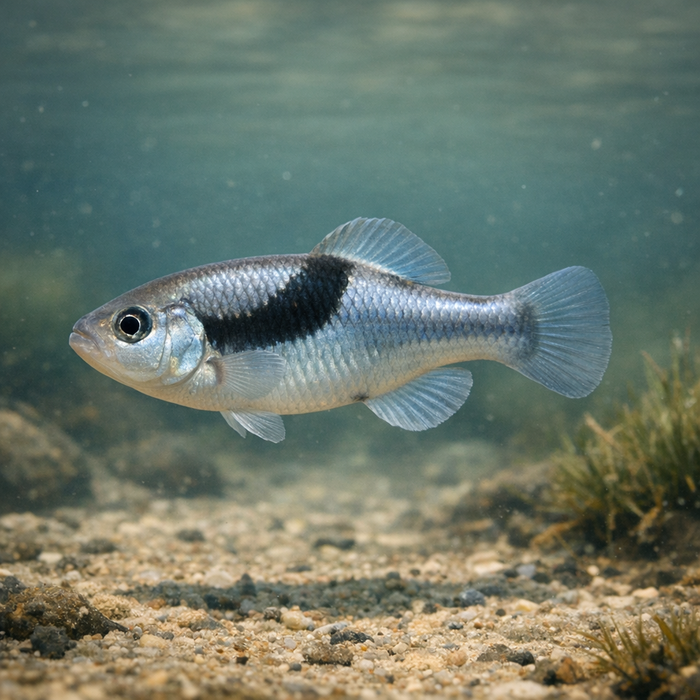
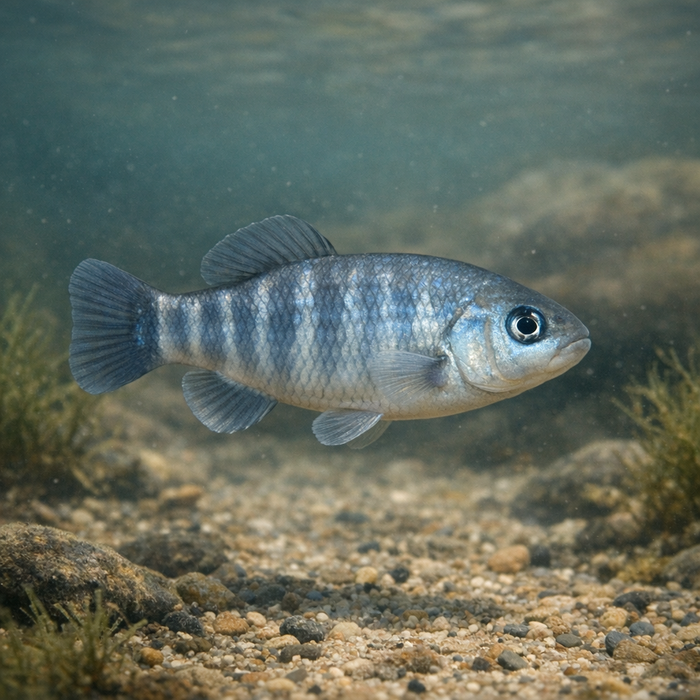
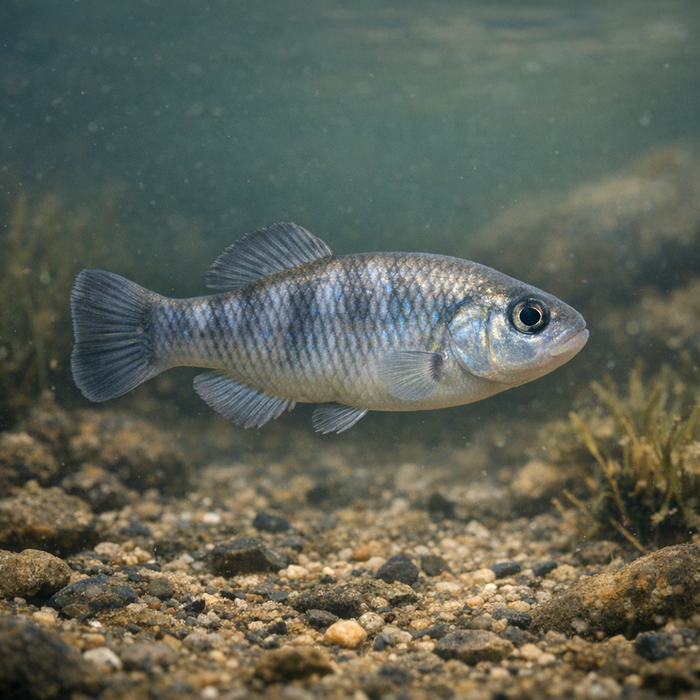
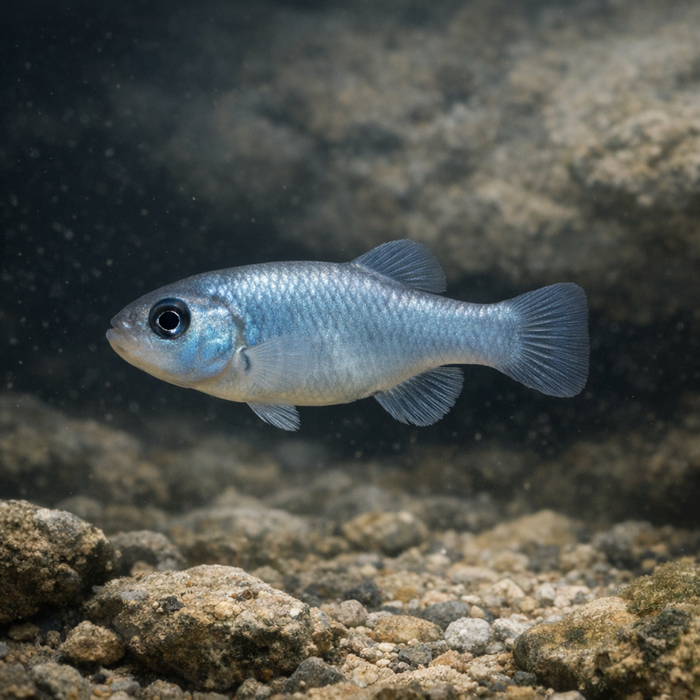
Pecos pupfish (Cyprinodon pecosensis): A Bold, Memorable Hook LineIntroductionThe Pecos pupfish is the tiny, tough-as-nails desert original that turned ankle-deep, salty trickles into prime real estate. It's not a fish you chase for fillets or brute battles. You chase it because it shouldn't thrive where it does, yet it absolutely does. If you're browsing Pecos pupfish facts or curious about Pecos pupfish habitat, you're looking at a master of extremes that still manages to show attitude in two inches of fish.What Makes the Pecos pupfish Unique?Start with durability. This fish shrugs at heat and salinity swings that flatten most freshwater species. Then there's the look: breeding males flash metallic blues and dark fins like they're wearing formal wear to a pool party. Finally, the species' history is wild. Hybridization with the coastal sheepshead minnow created sweeping hybrid swarms in parts of the Pecos system, pushing conservationists to isolate and protect pure lineages. Small body, big storyline.Habitat & Global RangeThe Pecos pupfish is a regional specialist from the Pecos River basin of New Mexico and Texas. Think salty springs, sinkholes, backwaters, and shallow side channels with sparse vegetation, hard bottoms, and warm water. These spots can be brackish to downright briny, often so shallow you can count scales. Connectivity matters. Seasonal flows that link pools create population booms, then dry periods squeeze fish back into refuges. Habitat patches can change dramatically year to year, so finding them is about reading water chemistry, substrate, and recent flow history more than staring at a depth finder.Behavior & TemperamentFor a miniature fish, the Pecos pupfish packs personality. Males claim tiny territories, clear sand patches, and posture like bouncers. Courtship is a fast, fin-flashing dance. They school loosely when flows connect habitats, then go territorial as water drops and space tightens. Feeding behavior is versatile: scraping algae off hard surfaces, nipping at detritus, and opportunistically taking small invertebrates. In bright daylight and warm conditions, they stay bold and visible, often hovering near the bottom or midwater in inches of depth. Spawning pulses run through warm months, and you'll see sudden surges of color and frenetic action.Ecological ImportanceThe Pecos pupfish is a keystone scrapper. It converts algae and detritus into energy for the food web while stirring up sediments and keeping microhabitats active. Because it rides out harsh conditions that bench other fish, it holds ecosystems together during drought and salinity spikes. Then, when rains reconnect channels, it floods the system with recruits. Local birds, larger fish, and invertebrates ride those cycles. In a desert river, stability looks like constant change, and this fish is built for it.Conservation & Environmental PressuresHybridization with sheepshead minnow is the headline threat. Once hybrids take hold, native genetics can unravel quickly. Add groundwater drawdowns, altered flows, and habitat fragmentation, and you've got a species forced into islands of suitable water. Many strongholds are inside refuges and protected springs managed tightly to preserve pure populations. Anglers and microfishing fans should assume access limits, seasonal closures, and strict handling rules where any take or harassment could jeopardize recovery goals.The FishyAF TakeThe Pecos pupfish is a desert underdog with main-character energy. It's not here to bend your rod. It's here to bend your expectations of what a freshwater fish can endure. If you're angling, approach it like a field naturalist: microscopic tackle, surgical handling, and a camera for proof. To us, that's the fun. Two inches of fish, ten miles of story. Respect the resource, verify the rules, and let the little legend go make more legends.