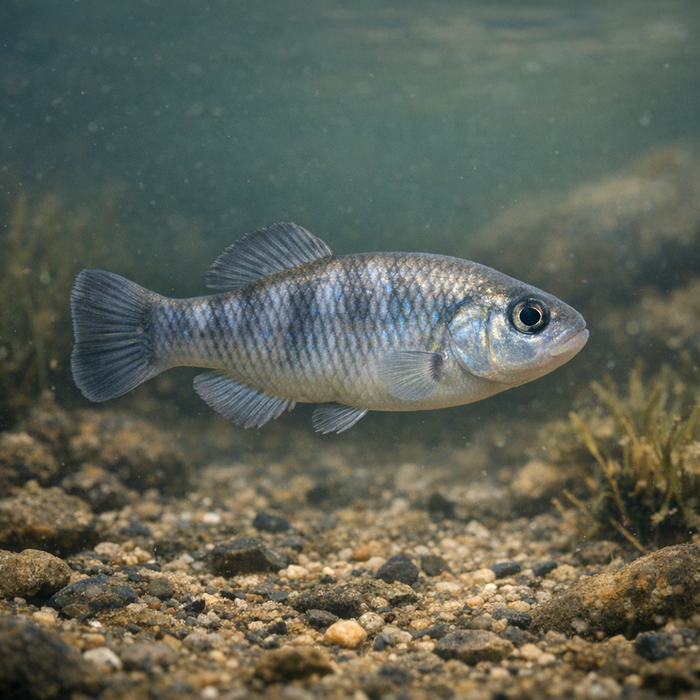
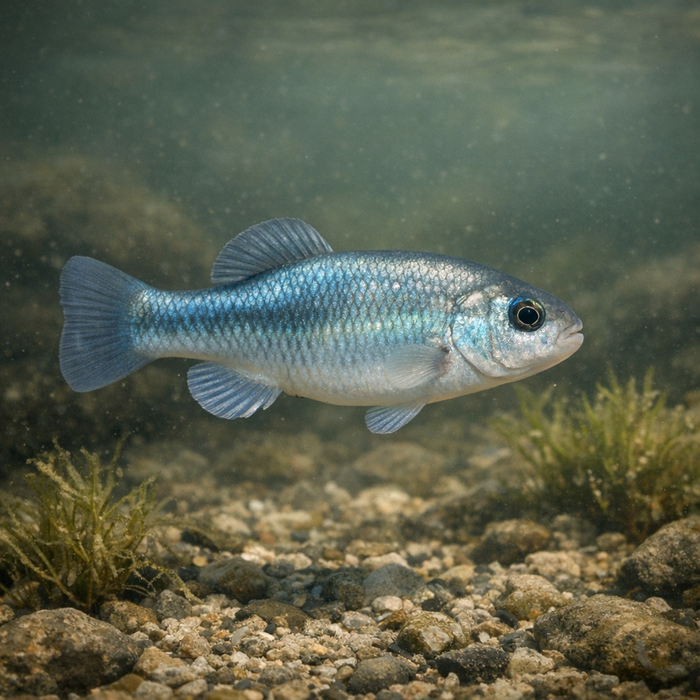
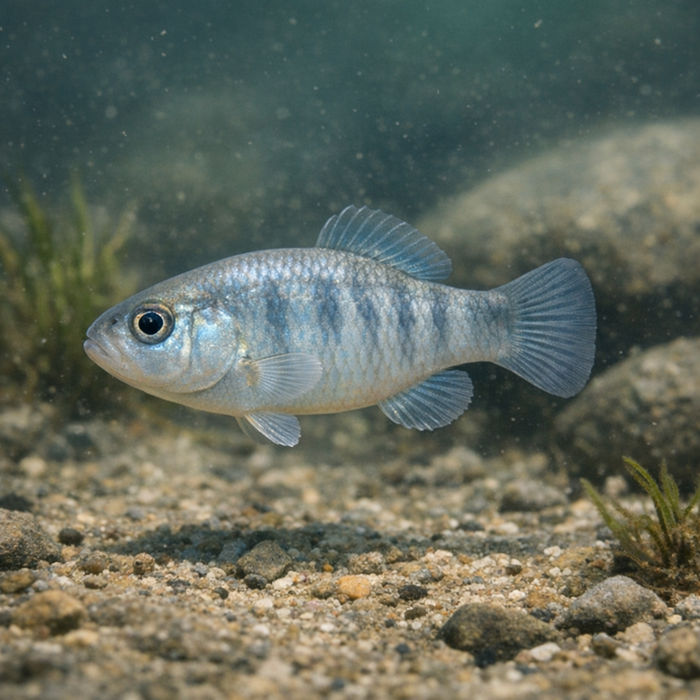
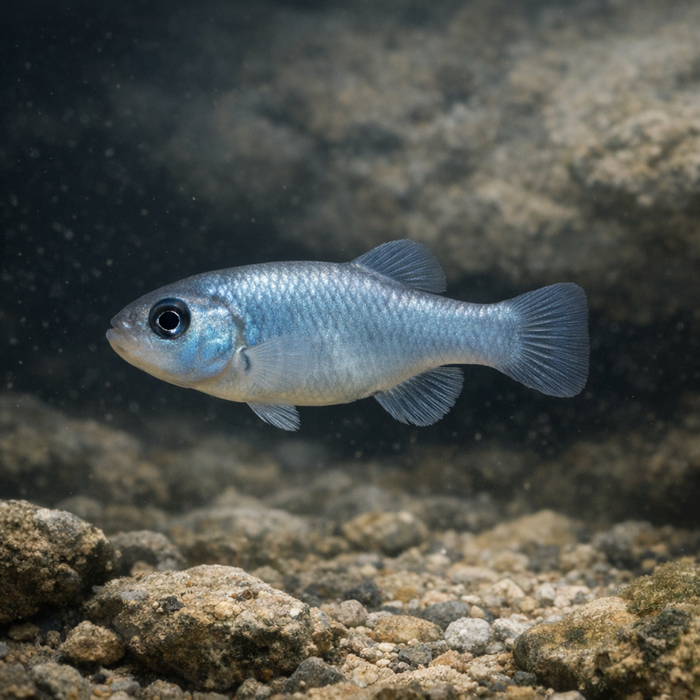
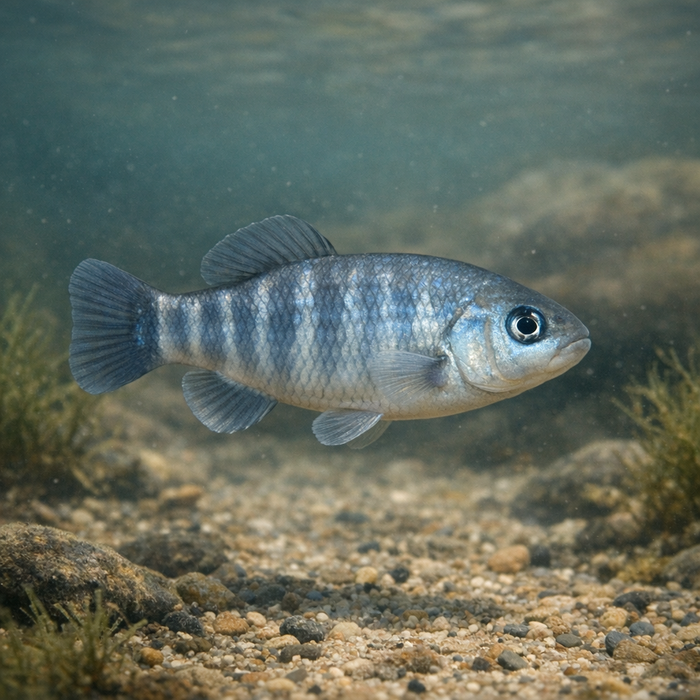
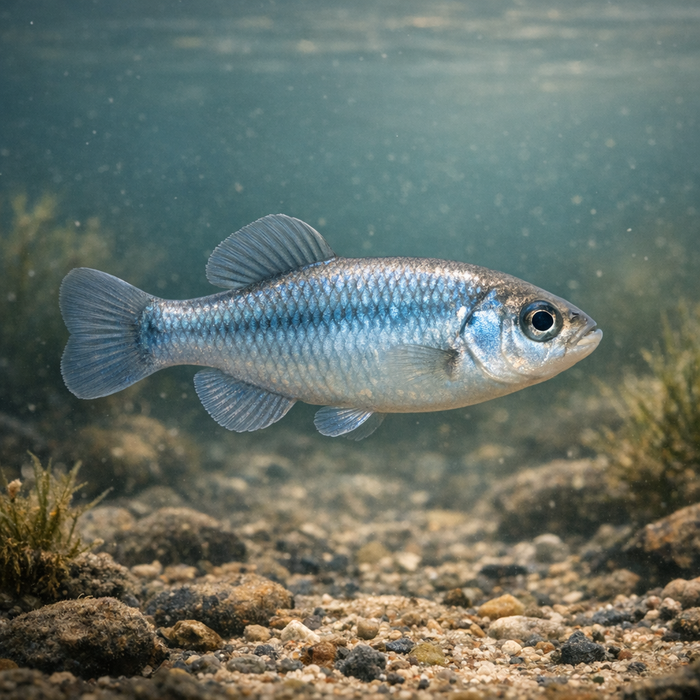
Santa Cruz pupfish (Cyprinodon arcuatus): A desert original that blinked out before most anglers knew it existedIntroductionThe Santa Cruz pupfish is the kind of fish that makes biologists poetic and anglers a little sad. It was small, scrappy, and perfectly wired for flash floods and bathtub-warm pools, yet it lost the bigger fight against habitat loss and invasives. If you came here for Santa Cruz pupfish facts or to learn about Santa Cruz pupfish habitat, you're in the right place. You won't be booking a trip for it, but you'll walk away with a sharper eye for the fragile waters these little desert dynamos once ruled.What Makes the Santa Cruz pupfish Unique?For starters, size and swagger. Males of the Santa Cruz pupfish threw down neon breeding colors and guarded territories the size of a pizza slice. That's micro bravado at its finest. Second, this species lived at the mercy of monsoon pulses. When desert rains hit, populations boomed; when water receded and warmed, they survived in shrinking oases where many fishes would tap out. Finally, Cyprinodon arcuatus is a postscript species. It was formally described from preserved material after populations were already gone, turning it into a cautionary emblem more than a target fish.Habitat & Global RangeThe Santa Cruz pupfish was tied to a very tight footprint in the Santa Cruz River system straddling southern Arizona and northern Sonora, Mexico. Think desert cienegas, seep-fed wetlands, sluggish river margins, and low-velocity backwaters. Shallow edges with mats of algae, submerged vegetation, and soft substrates were the money zone. The Santa Cruz pupfish didn't roam oceans or lakes the size of states. It lived local, in warm, sometimes murky, sometimes salty-ish waters where food grew as films on rocks and plants. That hyperlocal life made it a specialist and, ultimately, vulnerable when springs were drained, channels straightened, and exotic fish moved in.Behavior & TemperamentDespite their tiny build, Santa Cruz pupfish were not timid. Males turned up the color and got pushy during spawning, jousting for tight territories. Day to day, they grazed periphyton with upturned mouths and snapped at tiny invertebrates. When water surged, they rode the pulse; when pools shrank, they hunkered down and kept feeding. Schooling was loose and situational, with bursts of activity tied to light and warmth. If you're imagining a lethargic minnow, think again. Pupfish are desert problem-solvers, and this one played the game at full speed.Ecological ImportanceStrip away the romance and look at the job description: the Santa Cruz pupfish turned sunlight into fish by converting algae and microinverts into biomass. That energy then stepped up the food chain to birds, snakes, and larger fishes. Its relentless grazing kept algal films in check, cycling nutrients and keeping cienega edges from clogging into lifeless scum. Put simply, the species was a tiny gear in a delicate machine where everything is either holding on or giving way to the next monsoon.Conservation & Environmental PressuresWhy did the Santa Cruz pupfish disappear? A cocktail of culprits. Groundwater pumping and channelization gutted cienegas, the nurseries this fish needed. Non-native mosquitofish and other exotics bullied, nipped, and outcompeted natives built for a different fight. Fragmentation trapped remnant groups in shrinking puddles. When your world is a handful of warm backwaters, a small push can be a cliff. The species' story now fuels restoration of desert springs and the strict screening of introduced species. It's a ghost with a useful agenda.The FishyAF TakeThe Santa Cruz pupfish is proof that size says nothing about importance. Anglers love big predators, but these micro grazers are the foundation species that let everything else happen. If the Santa Cruz pupfish still swam, microfishing nuts would be sneaking along the bank with 2-pound line and a size 24 hook, grinning like thieves. Instead, we get its lesson: protect the wet edges, respect the weird, and don't sleep on fish that fit in a shot glass. The Santa Cruz pupfish may be gone, but it's still telling us exactly how to save the next one.